
Hegseth bars Pentagon personnel from betting with inside information
Defense Secretary Pete Hegseth directed U.S. troops and Pentagon civilian employees not to use inside information to bet on military operations. Hegseth said such betting could reveal U.S. military movements and operation timing to foreign intelligence services.
AI-assisted synthesis · Based on 2 independent reports from 6 outlets · Article text read from 1 of 2 reportsHow it's made
View timeline · 6 entries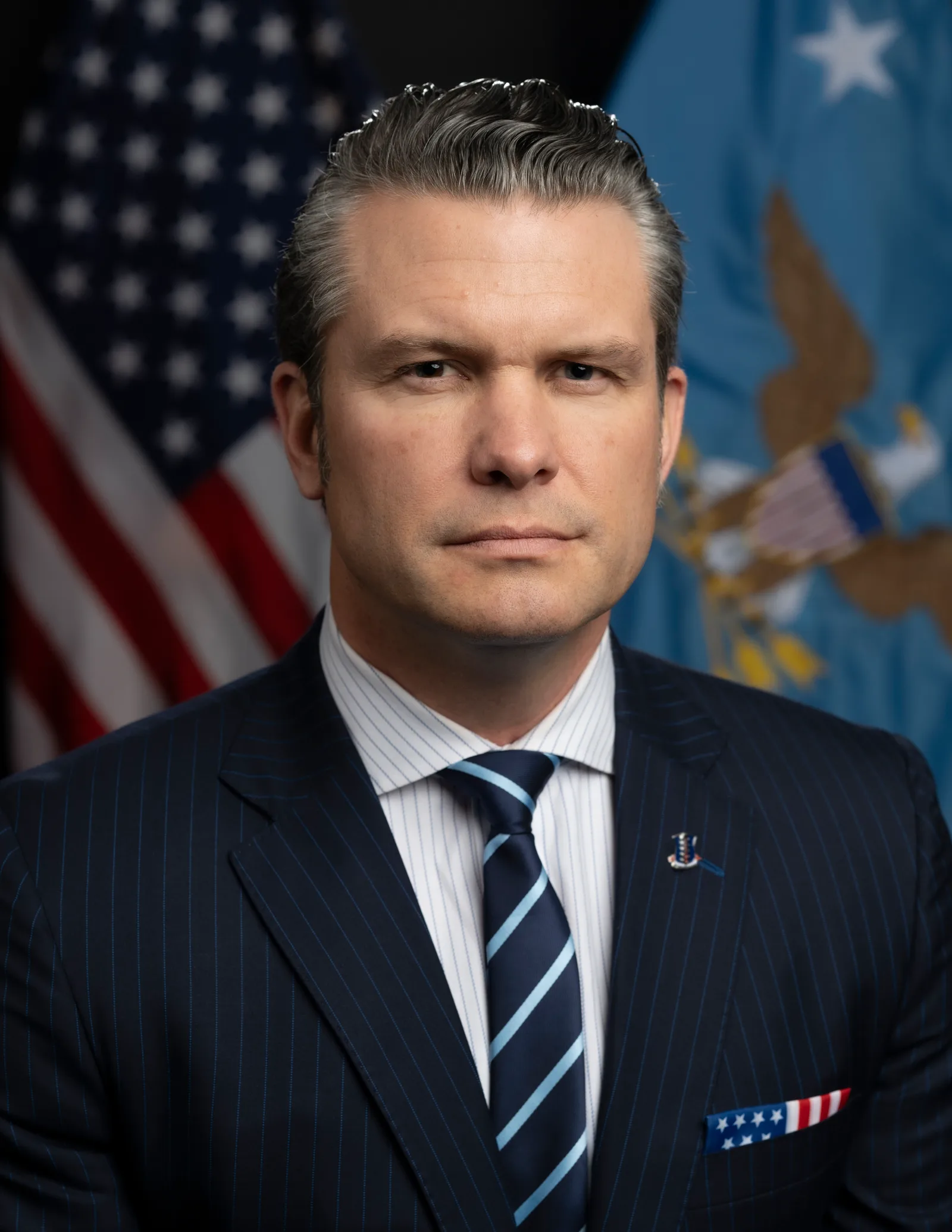 File photo
What happened
Key facts
- Hegseth said the ban applies to bets on sites such as Polymarket and Kalshi (per stripes.com).
- Hegseth warned that foreign intelligence services could use betting patterns to anticipate U.S. military movements and the timing of operations (per stripes.com).
- Hegseth said a financial transaction on a military outcome creates a signal (per stripes.com).
- Hegseth said gambling on military activities can warp judgment (per stripes.com).
The brief
Defense Secretary Pete Hegseth has directed U.S. troops and Pentagon civilian employees not to use inside information to bet on military operations, according to Stars and Stripes. The Pentagon ban covers gambling on military outcomes through sites including Polymarket and Kalshi.
Headlines from the Scranton Times-Tribune, Livingston Enterprise, New York Post, Traverse City Record-Eagle and AP News likewise describe a new directive barring troops from using nonpublic information to wager on prediction markets. Hegseth set out the restriction in an Oct. 20 memorandum addressed to senior Pentagon leaders and combatant commanders.
The directive also applies when personnel arrange transactions through someone else, Stars and Stripes reported. The account identifies the rule’s focus as the use of inside information for bets tied to military operations.
Hegseth warned that foreign intelligence services could study patterns in betting activity to anticipate U.S. military movements and when operations might take place. In the memorandum, he wrote: “Our enemies watch movements in these markets.” He also said that a financial transaction tied to a military outcome creates a signal.
Those are Hegseth’s stated concerns about the operational-security risks of the activity. The article also reports that Hegseth sees gambling on military activities as a risk to judgment. It does not provide further detail about how the Pentagon plans to apply that concern beyond the prohibition on using inside information to bet.
The directive arrives in the same account as a federal criminal allegation involving Polymarket wagers. Federal prosecutors allege that Van Dyke, described as involved in planning and executing the operation, won more than $400,000 on bets through the platform. The allegation is attributed to prosecutors; the account does not say that a court has found the claim proven.
Hegseth’s warning connects the prohibition to the possibility that betting activity could expose information about U.S. operations. The article does not identify particular bets that revealed military plans, nor does it describe any enforcement action under the directive.
It reports the ban’s scope, the memorandum’s stated security rationale and the separate prosecutors’ allegation, without establishing a link between the alleged wagers and the directive.
Why it matters
- U.S. troops and Pentagon civilian employees face a direct restriction on using inside information to bet on military operations, including through third parties.
- Hegseth identified a specific security mechanism: foreign intelligence services could analyze betting patterns to anticipate U.S. military movements and operation timing.
- Federal prosecutors allege that Van Dyke won more than $400,000 on Polymarket bets, highlighting the scale of one alleged set of wagers connected in the report to an operation.
What to watch next
- Whether Pentagon leaders and combatant commanders take steps to apply the restriction described in Hegseth’s Oct. 20 memorandum.
- Whether federal prosecutors’ allegation that Van Dyke won more than $400,000 on Polymarket bets is addressed in a court proceeding.
- Whether Hegseth or the Pentagon provides further detail about the directive’s application to transactions arranged through third parties.
How it's being covered
Coverage analysisShow details6 source articles · 6 unique outlets · 2 distinct reportsOutlet political mix: Mostly Center· 4 Center · 1 Right · 1 unratedWhere the outlets are based: Unknown 67% · US/Canada 17% · Other 16%
- Coverage is currently concentrated among Center-rated outlets (4 of 5 rated sources); comparatively few Left-rated outlets have published on the event.
One source is from a wire service (AP, Reuters, AFP or Bloomberg), whose reporting other outlets often republish.
How outlets' accounts compare
Timeline
Developments from this story's sources, dated background we compiled and fact-checked, and our earlier coverage. Each row says which.- The University of Iowa’s Iowa Electronic Markets began operating in 1988 as a small research market where participants traded contracts tied to election outcomes.Background · from our historical context
- President Ronald Reagan signed National Security Decision Directive 298, establishing a government-wide Operations Security program.Background · compiled and fact-checked by Updat3
- In November 2020, the Commodity Futures Trading Commission (CFTC) designated Kalshi as a regulated contract market, allowing it to offer event contracts under federal oversight.Background · from our historical context
- Polymarket, by contrast, settled with the CFTC on January 3, 2022, agreeing to pay a $1.4 million penalty and stop offering unregistered event-based binary options to people in the United States.Background · from our historical context
- In September 2023, the CFTC rejected Kalshi’s proposal to list congressional-control contracts, finding that the contracts involved gaming under the Commodity Exchange Act.Background · from our historical context
- On September 6, 2024, a federal district court vacated that decision, ruling that the CFTC had not shown the contracts fell within the law’s prohibition; the agency then allowed Kalshi to list election contracts.Background · from our historical context
How we got here
The closest institutional precedent for concerns about operational security was National Security Decision Directive 298, signed by President Ronald Reagan on January 22, 1988, which established a government-wide Operations Security (OPSEC) program to identify and protect information that could reveal sensitive activities.
The directive made OPSEC a formal part of federal agency planning, including at the Department of Defense. The University of Iowa’s Iowa Electronic Markets began operating in 1988 as a small research market where participants traded contracts tied to election outcomes.
Original sources
4 of 6 articles · Unknown · Show allEvery story links to the reporting it was built from. How we choose sources
Spotted a factual error, a broken link or a misleading summary? Tell us.