
Hegseth removes Brett Sylvia as Axios reports leak admission
Pete Hegseth removed Brett Sylvia from his Pentagon role amid allegations that Sylvia leaked classified information to journalists, according to headlines and an Axios report described by RT. RT said Axios reported that an internal investigation found Sylvia admitted leaking information as early as June 2025; the Pentagon separately stated it would not tolerate intentional, unauthorized disclosures.
AI-assisted synthesis · Based on 5 outlets' reporting · Article text read from 1 of 5 outletsHow it's made
View timeline · 7 entries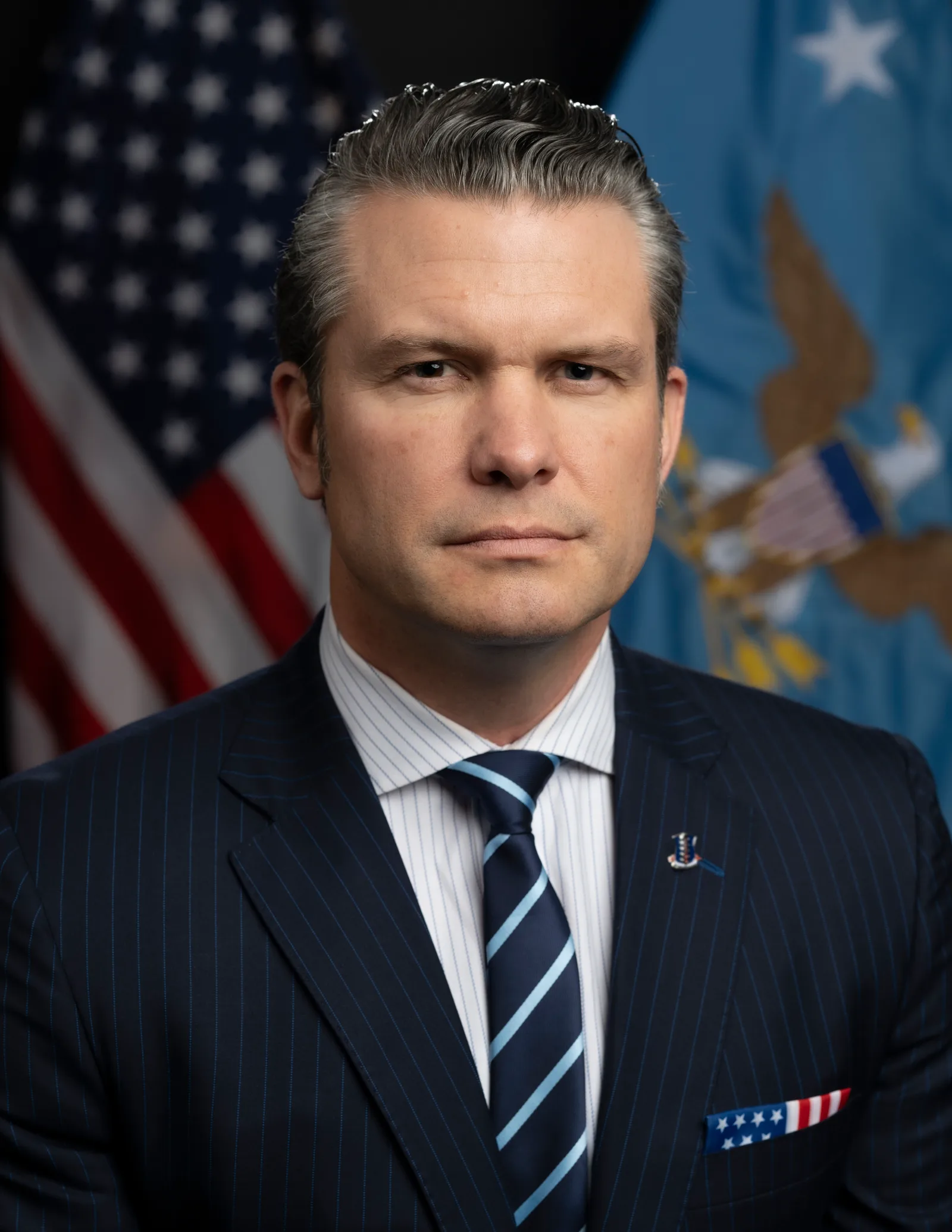 File photo
What happened
Key facts
- RT said the alleged leaks began as early as June 2025, before most media outlets were barred from the Pentagon (per rt-english.com).
- RT reported that Axios said Sylvia had trouble passing multiple polygraph interviews (per rt-english.com).
- In July, Hegseth said the Pentagon and Justice Department had formed a joint task force to identify and prosecute leakers (per rt-english.com).
The brief
Pete Hegseth removed Brett Sylvia from a senior Pentagon position amid allegations that Sylvia leaked classified information to journalists. RT reported that Axios attributed the allegations to an internal investigation.
The NewsCord and WABC Radio headlines also describe Hegseth’s removal of Sylvia amid leak allegations, while the Fox News headline says he was accused of leaking information concerning Iran and Ukraine. According to RT’s account of Axios’s reporting, Sylvia admitted to leaking information about Iran and Ukraine as early as June 2025.
RT said this was before most media outlets were barred from the Pentagon. Axios’s headline likewise says the fired general admitted to leaking classified information on those subjects, but characterizes the admission as something a report says. RT also relayed Axios’s account that Sylvia had trouble passing multiple polygraph interviews.
The report’s allegation and the described admission are the basis RT gives for the leak story; the Pentagon spokesman’s public statement did not name Sylvia. Pentagon spokesman Sean Parnell said the department had “zero tolerance for the intentional, unauthorized disclosure of classified information,” according to RT.
That statement set out the department’s position on unauthorized disclosures without identifying Sylvia or directly confirming the allegations against him. The leak allegations appear amid a broader Pentagon effort described by Hegseth. In July, he said the Pentagon and Justice Department had established a joint task force to identify and prosecute leakers.
RT also reported that Hegseth had said President Donald Trump sought to crack down on government leaks after returning to the White House in early 2025, and had repeatedly accused news outlets of conducting a smear campaign against him.
Earlier, in April 2025, Hegseth fired three senior Pentagon aides—Dan Caldwell, Darin Selnick and Colin Carroll—during an investigation into alleged leaks of sensitive information to the media. RT said all three denied wrongdoing and none was subsequently charged with a crime.
That earlier case is a separate episode; the account does not say that Sylvia was charged or describe a criminal proceeding against him.
Why it matters
- The Pentagon’s handling of alleged classified disclosures is directly at stake: Parnell’s stated policy is zero tolerance for intentional, unauthorized leaks.
- The allegations concern information about Iran and Ukraine, which Axios’s headline and RT’s account identify as the subjects of the reported leaks.
- The joint task force Hegseth said the Pentagon and Justice Department created is tasked with identifying and prosecuting leakers.
What to watch next
- Whether the Pentagon publicly identifies Sylvia in connection with Parnell’s statement on unauthorized disclosures.
- Whether the Pentagon and Justice Department joint task force identifies or prosecutes leakers, as Hegseth said it was established to do.
- Whether any criminal charge against Sylvia is announced; the cited account describes allegations and a reported admission, not a charge.
How it's being covered
Coverage analysisShow details5 source articles · 5 unique outletsOutlet political mix: Too few rated· 1 Center · 1 Right · 3 unratedWhere the outlets are based: US/Canada 60% · Unknown 40%
How outlets' accounts compare
Timeline
Developments from this story's sources, dated background we compiled and fact-checked, and our earlier coverage. Each row says which.- President Woodrow Wilson signed the Espionage Act, criminalizing certain disclosures of national-defense information.Background · compiled and fact-checked by Updat3
- President Harry Truman issued Executive Order 10290, establishing government-wide rules for classifying national-security information.Background · compiled and fact-checked by Updat3
- President Barack Obama signed Executive Order 13526, setting rules for classifying and declassifying national-security information.Background · compiled and fact-checked by Updat3
- The Justice Department disclosed that it had seized Associated Press phone records during an investigation into a classified counterterrorism operation.Background · compiled and fact-checked by Updat3
- In June 2025, reports later cited by RT said the alleged leaks involving Brett Sylvia had begun before most news organizations were barred from the Pentagon.Background · from our historical context
- In July 2025, Defense Secretary Pete Hegseth said the Pentagon and Justice Department had formed a joint task force to identify and prosecute leakers.Background · from our historical context
- Those developments preceded the Pentagon’s October 2025 change to press access: major news organizations declined to accept its new rules, and most lost their regular access to the building.Background · from our historical context
How we got here
In June 2025, reports later cited by RT said the alleged leaks involving Brett Sylvia had begun before most news organizations were barred from the Pentagon. In July 2025, Defense Secretary Pete Hegseth said the Pentagon and Justice Department had formed a joint task force to identify and prosecute leakers.
Those developments preceded the Pentagon’s October 2025 change to press access: major news organizations declined to accept its new rules, and most lost their regular access to the building.
Original sources
3 of 5 articles · US/Canada · Show allEvery story links to the reporting it was built from. How we choose sources
Spotted a factual error, a broken link or a misleading summary? Tell us.