
Hegseth says Pentagon dismantled 80 programs at US universities
Pete Hegseth said the Pentagon dismantled 80 organizations at 30 U.S. universities that he described as Chinese propaganda operations. He accused the organizations of seeking to steal intellectual property and influence students, while urging universities to keep similar programs from returning.
AI-assisted synthesis · Based on 5 outlets' reporting · Article text read from 2 of 5 outletsHow it's made
View timeline · 6 entries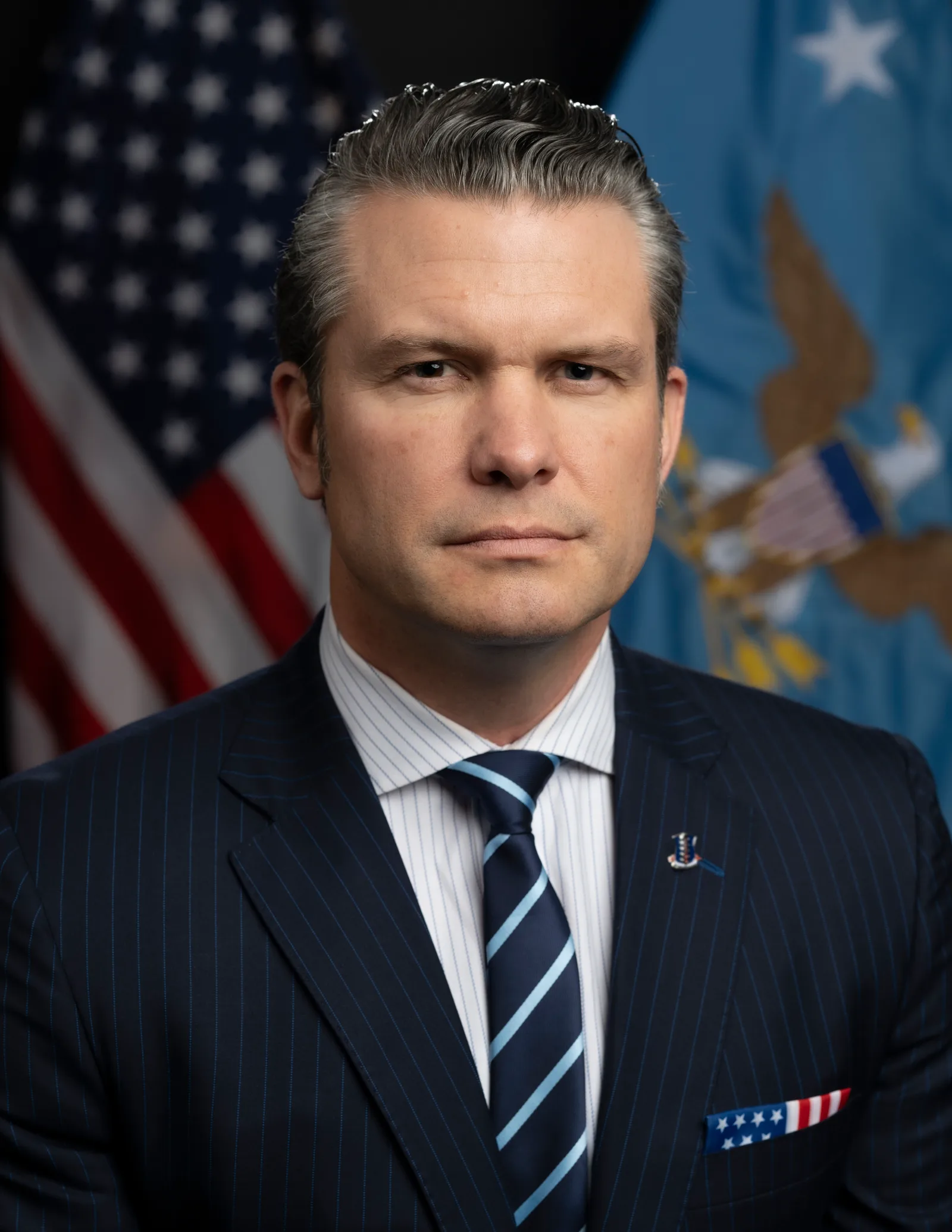 File photo
What happened
Key facts
- Pete Hegseth said the Pentagon dismantled 80 organizations or propaganda operations at 30 American universities (per ntd.com, Washington Examiner, x.com).
- Hegseth made the announcement on Friday, October 23, in a video statement; the Washington Examiner said the video was posted to X.
- Hegseth said the organizations used different names and charters from Confucius Institutes (per ntd.com, Washington Examiner, trtworld.com).
- Hegseth accused the organizations of seeking to steal intellectual property and influence American students (per ntd.com, Washington Examiner).
- The Washington Examiner said Congress restricted federal funding to schools with Confucius Institute programs in 2018 and that almost all of the institutes closed, citing the Government Accountability Office (per Washington Examiner).
- Hegseth urged universities not to allow the organizations' influence to return (per ntd.com).
The brief
Pete Hegseth said the Pentagon dismantled 80 organizations operating at 30 American universities, describing them as Chinese propaganda operations connected to Confucius Institutes.
In a video statement on Friday, October 23, he accused the organizations of seeking to steal intellectual property and influence students, and urged universities to prevent similar programs from returning. Hegseth said the organizations had used names and charters different from those associated with Confucius Institutes.
The Washington Examiner reported that he posted his video on X. The figure of 80 organizations across 30 universities also appeared in NTD’s account and in an X headline; the headline alone does not provide further detail about the allegation. The Pentagon characterized Confucius Institutes in the United States as a national security threat.
Hegseth called the organizations he said had emerged at universities “propaganda cells” and said they shared a mission of stealing intellectual property and influencing students. Those are his allegations; the coverage does not provide separate findings establishing that the organizations carried out those acts.
The Department of War said an August 17 release described reviews of ties to foreign entities of concern, including organizations associated with rebranded Confucius Institutes. That account situates the action within reviews of institutional connections, while Hegseth’s public remarks emphasized the alleged activities and the number of organizations dismantled.
The Washington Examiner reported that Congress restricted federal funding to schools with Confucius Institute programs in 2018 and that almost all of the institutes closed, citing the Government Accountability Office.
It also said the Chinese government funds Confucius Institutes and noted that critics have expressed concerns about influence on students and possible industrial espionage. The reports do not identify the 80 organizations individually or describe the specific steps the Pentagon took to dismantle each one.
Hegseth’s stated request was directed at universities: he urged them not to allow the organizations’ influence to return. The accounts do not detail what universities must do, how the Pentagon will assess compliance, or whether any institution has disputed the allegations.
The central reported action is the Pentagon’s claimed dismantling of 80 organizations, paired with a warning about their alleged links and activities.
Why it matters
- Universities are the institutions directly named: Hegseth says 80 organizations at 30 American universities were dismantled, putting campus programs and institutional ties at the center of the Pentagon’s action.
- Hegseth’s allegations concern intellectual property and influence on students, while the Pentagon’s stated security framing applies to Confucius Institutes and associated organizations.
- The Washington Examiner reports that Congress restricted federal funding to schools with Confucius Institute programs in 2018; the reported federal funding restriction is a concrete mechanism affecting universities.
- The Washington Examiner says the Chinese government funds Confucius Institutes, while Hegseth and the Pentagon frame associated organizations as a security concern.
What to watch next
- Whether the Pentagon identifies the 80 organizations it says it dismantled.
- Whether the Department of War provides details on the review process described in its August 17 release.
- Whether universities address Hegseth’s request to prevent similar programs from returning.
- Whether the Government Accountability Office’s account of Confucius Institute closures is supplemented by further public information.
How it's being covered
Coverage analysisShow details5 source articles · 5 unique outletsOutlet political mix: Mostly Right· 1 Center · 2 Right · 2 unratedWhere the outlets are based: Unknown 40% · US/Canada 20% · Other 40%
One source is from a wire service (AP, Reuters, AFP or Bloomberg), whose reporting other outlets often republish.
How outlets' accounts compare
2 framing differences · 3 uncorroborated claims · 3 information gaps- NTD describes the organizations as successor organizations and repeats Hegseth’s allegation that they shared a mission to steal intellectual property and influence students; the Washington Examiner calls them “propaganda cells” and adds the 2018 federal funding restriction and Government Accountability Office context.
- NTD reports that the Department of War reviewed ties to foreign entities of concern, including rebranded Confucius Institute associations; the Washington Examiner emphasizes Hegseth’s account that similar organizations emerged after Congress restricted federal funding.
- Hegseth attributes an alleged shared mission of intellectual-property theft and influence on students to the organizations; the Washington Examiner separately reports critics’ concerns about influence and possible industrial espionage.
- Hegseth said the organizations had emerged with different names and charters and called them “propaganda cells.”
- Hegseth urged universities not to allow the organizations’ influence to return.
- The reports do not identify the universities or organizations involved, describe the Pentagon’s individual actions at each institution, or provide responses from the universities.
- Hegseth alleges the organizations sought to steal intellectual property and influence students; the reports do not supply separate findings establishing those allegations.
- The coverage does not identify the 80 organizations or explain the specific actions used to dismantle them.
Timeline
Developments from this story's sources, dated background we compiled and fact-checked, and our earlier coverage. Each row says which.- Congress amended the Higher Education Act to require colleges to report certain gifts and contracts from foreign sources.Background · compiled and fact-checked by Updat3
- The first U.S. institute opened at the University of Maryland in 2004, in partnership with China’s Office of Chinese Language Council International, commonly known as Hanban.Background · from our historical context
- Congress restricted Defense Department funding for certain Chinese-language programs at universities hosting Confucius Institutes unless the department granted a waiver.Background · compiled and fact-checked by Updat3
- In 2019, the Senate Permanent Subcommittee on Investigations examined Confucius Institutes and other Chinese influence efforts at U.S. universities, raising concerns about disclosure and campus oversight.Background · from our historical context
- In August 2020, the State Department designated the Confucius Institute U.S. Center, which coordinated institutes in the country, as a foreign mission of the People’s Republic of China.Background · from our historical context
- In May 2021, the State Department rescinded that designation.Background · from our historical context
How we got here
In August 2018, Congress enacted the John S. McCain National Defense Authorization Act for Fiscal Year 2019, which restricted Defense Department funding for Chinese-language programs at universities hosting Confucius Institutes unless the department granted a waiver.
The Government Accountability Office later reported that the restriction contributed to universities closing many of those institutes. That funding rule established a direct precedent for federal action involving university programs linked to China.
Original sources
5 articles from 5 outletsEvery story links to the reporting it was built from. How we choose sources
Spotted a factual error, a broken link or a misleading summary? Tell us.