
Hegseth warns Pentagon staff that betting could expose military operations
Pete Hegseth sent Pentagon personnel a memo warning that bets based on nonpublic military information could give foreign intelligence services clues about U.S. operations. The memo says the restriction covers traditional betting services and prediction markets, including Polymarket and Kalshi.
AI-assisted synthesis · Based on 5 outlets' reporting · Article text read from 3 of 5 outletsHow it's made
View timeline · 6 entries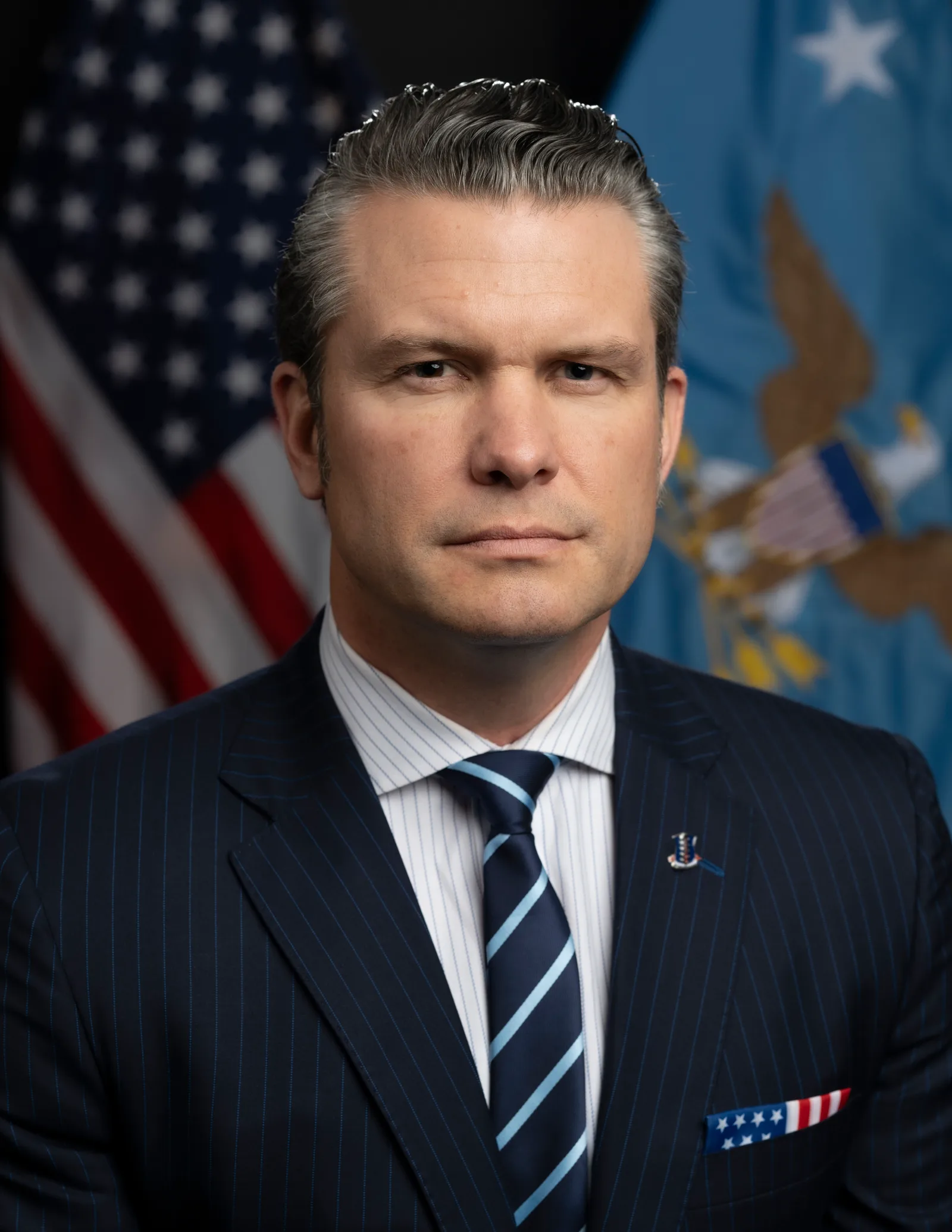 File photo
What happened
Key facts
- The memo’s subject line was “Do Not Compromise Military Operations for Personal Financial Gain.” (per Ars Technica, casino.org).
- The memo said the restriction applies to traditional betting services and prediction markets, including Polymarket and Kalshi (per Ars Technica, newscord.org).
- Hegseth warned that bets on military outcomes could provide foreign intelligence services with clues about U.S. movements and targets (per Ars Technica).
- Hegseth said adversaries monitor activity in betting markets and that military personnel should not expose colleagues to risk for personal gain (per casino.org).
- An August report by the Anti-Corruption Data Collective said it identified 152 suspicious wallets that won a combined $8 million on longshot bets in military and defense markets (per Ars Technica).
The brief
Pete Hegseth sent Pentagon personnel a memo warning that trades based on nonpublic military information could expose U.S. operations to foreign intelligence services. The October 20 directive covers financial transactions through traditional betting services and prediction markets, including Polymarket and Kalshi, according to the memo described by Ars Technica.
The memo went to senior Pentagon leadership, combatant-command leaders and Defense Department field activity directors.
Its subject line was “Do Not Compromise Military Operations for Personal Financial Gain.” Hegseth’s central warning was that bets on military outcomes can create observable signals about U.S. movements and targets, which foreign intelligence services could use to anticipate operations. Casino.org quoted Hegseth saying adversaries watch activity in these markets.
He argued that personnel should not expose service members to danger in pursuit of personal financial gain. The memo’s prohibition is framed broadly around financial transactions using nonpublic information, while Ars Technica specifically notes its application to betting platforms and prediction markets.
The directive follows scrutiny of prediction-market wagers connected to military information. In April, a U.S. Army soldier was arrested and charged over Polymarket bets tied to confidential information about the operation to capture Venezuelan President Nicolás Maduro, according to Ars Technica and the account summarized by NewsCord.
The charge is an allegation, not a finding of guilt. The reporting gives different levels of detail about that case. Ars Technica says the soldier was charged with using confidential information to make $410,000 in bets on the timing of the capture. NewsCord says CBS News described the information as classified and the winnings as more than $400,000.
Those accounts identify the same alleged betting episode but use different descriptions of the information and amount. A separate August report by the Anti-Corruption Data Collective said it found 152 suspicious wallets that placed longshot wagers in military and defense markets and won $8 million combined. That finding concerns a group of wallets, not the soldier’s case.
The figures indicate why bets can attract attention beyond the individual trader: market activity may be visible to others even when the underlying information is not.
NewsCord’s summary of ABC News reporting says bets on the Venezuela operation were placed between December 30 and January 2, with most occurring on the night of January 2, hours before the first missiles fell on Caracas.
Ars Technica also relays an Associated Press account of new Polymarket accounts placing highly specific, timely wagers on whether the United States and Iran would reach a ceasefire shortly before Donald Trump announced one in April; the report says those customers made hundreds of thousands of dollars.
These examples place the Pentagon warning against a wider concern that market wagers may reveal information about military events before public announcements.
Why it matters
- Pentagon personnel’s use of nonpublic information in betting markets could expose U.S. movements and targets to foreign intelligence services, putting service members deployed on those operations at risk.
- The memo covers both conventional betting services and Polymarket and Kalshi, extending the stated restriction across different kinds of financial platforms.
- The Anti-Corruption Data Collective report cited 152 suspicious wallets and $8 million in combined winnings, illustrating the scale of betting activity it flagged.
- The April case involved a U.S. Army soldier arrested and charged over alleged Polymarket bets tied to the capture of Nicolás Maduro; the allegation concerns confidential military information.
What to watch next
- Whether the Defense Department applies the memo’s restriction to transactions on traditional betting services, Polymarket and Kalshi.
- What further legal proceedings follow the U.S. Army soldier’s arrest and charge over the Polymarket bets.
- Whether the Anti-Corruption Data Collective identifies additional suspicious wallets in military and defense markets.
- Whether prediction-market activity again draws scrutiny around military events or public announcements.
How it's being covered
Coverage analysisShow details5 source articles · 5 unique outletsOutlet political mix: Too few rated· 2 Center · 3 unratedWhere the outlets are based: US/Canada 40% · Unknown 40% · Other 20%
How outlets' accounts compare
2 framing differences · 2 uncorroborated claims · 3 information gaps- Ars Technica emphasizes the risk that market bets could give foreign intelligence services clues about operations; Casino.org foregrounds Hegseth’s warning that adversaries watch the markets and his concern for service members.
- Ars Technica gives $410,000 for the soldier’s alleged bets; NewsCord’s summary of CBS News reports more than $400,000.
- Hegseth said adversaries watch activity in betting markets, as quoted by Casino.org.
- The memo’s subject line, reported by Ars Technica, reads “Do Not Compromise Military Operations for Personal Financial Gain.”
- The sources do not report whether the Pentagon memo specifies enforcement procedures or penalties for violating the restriction.
- The sources do not provide information about how many Pentagon personnel use prediction markets.
- The soldier’s alleged use of information is described as confidential by Ars Technica and as classified in NewsCord’s summary of CBS News reporting.
Timeline
Developments from this story's sources, dated background we compiled and fact-checked, and our earlier coverage. Each row says which.- Congress enacted the Ethics in Government Act, establishing the modern federal executive-branch ethics program.Background · compiled and fact-checked by Updat3
- In 1988, National Security Decision Directive 298 established the U.S. government’s operational-security program, focused on identifying and protecting information that could help an adversary infer sensitive activities.Background · from our historical context
- The Department of Defense’s Joint Ethics Regulation, first issued in 1993, applies federal ethics requirements across the department.Background · from our historical context
- Kalshi became a Commodity Futures Trading Commission-designated contract market in 2020, subjecting its exchange to federal oversight.Background · from our historical context
- Polymarket agreed to pay a $1.4 million penalty and stop offering unregistered event-based binary options to people in the United States.Background · compiled and fact-checked by Updat3
- In August 2026, the Anti-Corruption Data Collective reported identifying 152 wallets that had collectively won $8 million on long-shot bets in military and defense markets.Background · from our historical context
How we got here
In August 2026, the Anti-Corruption Data Collective reported identifying 152 wallets that had collectively won $8 million on long-shot bets in military and defense markets. The report placed prediction-market trading alongside a longstanding Pentagon concern: that information known inside government can expose operations when used outside official channels.
The Office of Government Ethics’ Standards of Ethical Conduct for Employees of the Executive Branch, issued in 1992 and effective from 1993, prohibit federal employees from using nonpublic information for private financial gain. The Department of Defense’s Joint Ethics Regulation, first issued in 1993, applies federal ethics requirements across the department.
Original sources
2 of 5 articles · Unknown · Show allEvery story links to the reporting it was built from. How we choose sources
Spotted a factual error, a broken link or a misleading summary? Tell us.