
Trump’s Iran war and tariffs put Republicans’ midterm control at risk
Donald Trump’s war against Iran and tariff campaign are raising costs for Americans, according to The Japan Times. The outlet says voters are linking his foreign policy to their finances, putting Republican control of Congress at risk in the approaching midterms.
AI-assisted synthesis · Based on 5 independent reports from 6 outlets · Article text read from 1 of 5 reportsHow it's made
View timeline · 8 entries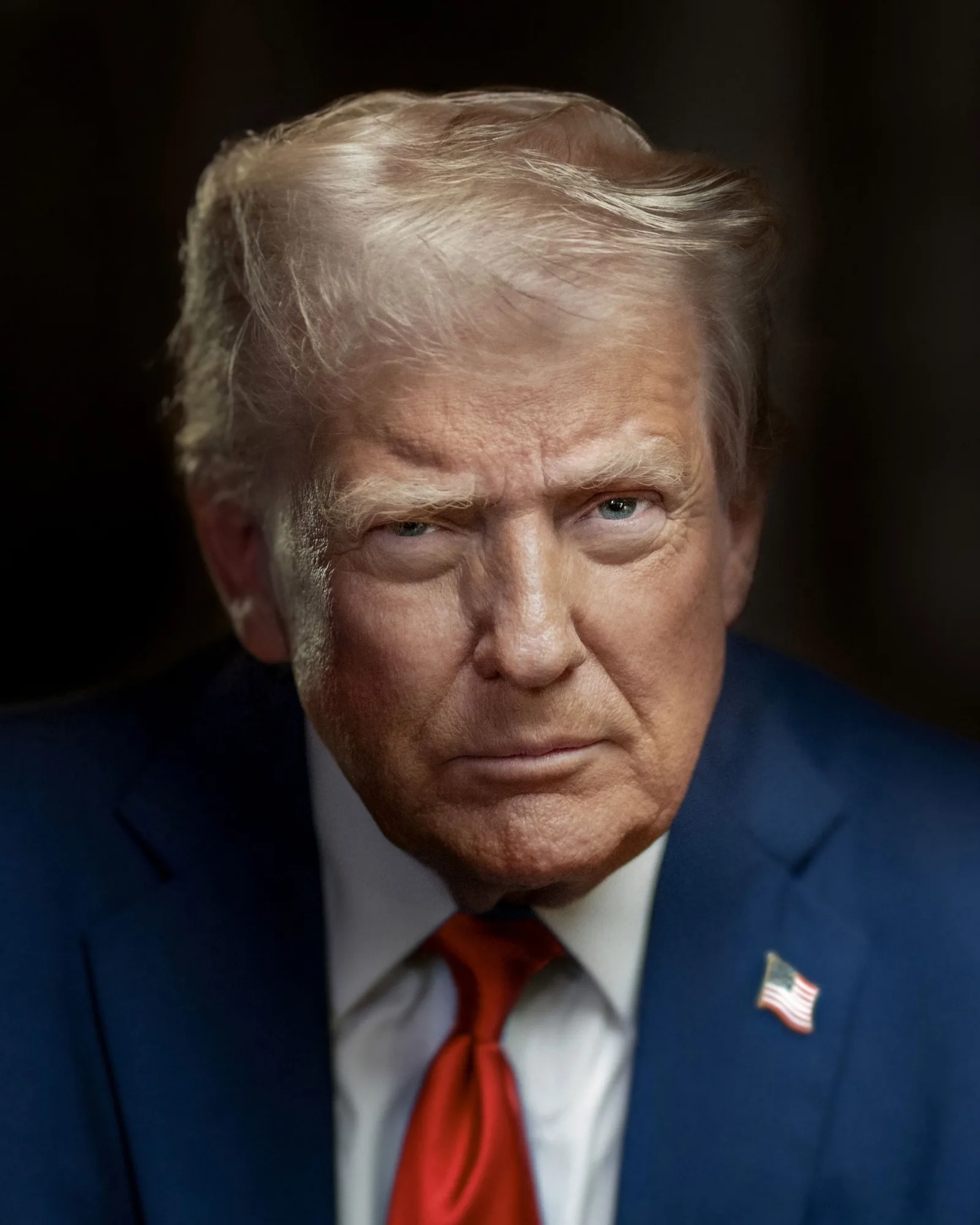 File photo
What happened
Key facts
- Donald Trump’s war against Iran and tariff campaign are pushing up costs for Americans (per The Japan Times).
- The Japan Times says voters are connecting Trump’s foreign policy to their personal finances.
- The Japan Times says rising costs tied to the war and tariffs are imperiling Republicans’ control of Congress in the midterms (per The Japan Times).
- The Japan Times says the midterm elections are approaching on Nov. 3.
- A headline from clickorlando.com says an AP-NORC poll found voters prioritize costs and Iran over investigating Trump for the next Congress (per clickorlando.com, The Japan Times).
The brief
Donald Trump’s war against Iran and tariff campaign are pushing up costs for Americans, and the rising expenses may put Republican control of Congress at risk in the midterms, The Japan Times reports. The outlet describes a political dynamic in which foreign policy is becoming a pocketbook issue as voters connect the administration’s actions abroad with their personal finances.
The Japan Times says economic considerations usually shape U.S. midterm choices more than foreign policy. It argues that the war and tariffs have blurred that distinction by adding costs, making Trump’s approach to world affairs relevant to voters’ financial concerns. The report does not provide a breakdown of those costs or identify particular household expenses.
As the election approaches, the outlet sees growing signs that voters are making the connection themselves. It describes that link as a major political liability for Trump and fellow Republicans, with control of Congress at stake. The account does not quantify the number of voters holding this view or specify how it may translate into election results.
The report places the election on Nov. 3 and describes Trump speaking at a rally at Florida Gulf Coast University's Alico Arena in Fort Myers, Florida, ahead of the vote. It does not provide a date for the rally.
The campaign setting underscores the immediate electoral context of the cost concerns, while the central argument remains that policies involving Iran and trade are affecting how voters assess their finances. A clickorlando.com headline separately says an AP-NORC poll found voters prioritize costs and Iran over investigating Trump for the next Congress.
That headline adds a poll-based description of voter priorities, but gives no poll figures. The Japan Times report itself focuses on the connection between costs and Trump’s foreign policy, rather than presenting survey results.
The Japan Times’ central warning is that Republicans’ congressional control is vulnerable as voters approach the midterms with rising costs associated with the Iran war and tariffs. It offers no seat count or forecast of which party will control Congress.
The immediate electoral question in its account is whether voters’ attention to those costs will continue to shape their choices as Nov. 3 approaches.
Why it matters
- Americans face higher costs linked by The Japan Times to Trump’s war against Iran and tariff campaign; the outlet says those costs are becoming a pocketbook issue.
- Republicans face a concrete electoral stake: The Japan Times says their control of Congress is at risk in the approaching midterms.
- The Japan Times says economic concerns usually weigh more heavily than foreign policy in midterm choices, making the connection between foreign policy and household finances politically salient.
What to watch next
- Whether voters continue connecting Trump’s foreign policy to their personal finances as the Nov. 3 midterms approach.
- Whether rising costs tied to the Iran war and tariffs affect Republicans’ effort to retain control of Congress.
- How the cost and Iran priorities described in the AP-NORC poll headline relate to the election choices discussed by The Japan Times.
How it's being covered
Coverage analysisShow details6 source articles · 6 unique outlets · 5 distinct reportsOutlet political mix: Mostly Center· 1 Left · 4 Center · 1 RightWhere the outlets are based: US/Canada 33% · Europe 17% · Other 50%
2 sources are from a wire service (AP, Reuters, AFP or Bloomberg), whose reporting other outlets often republish.
How outlets' accounts compare
Timeline
Developments from this story's sources, dated background we compiled and fact-checked, and our earlier coverage. Each row says which.- In 1953, the CIA and Britain’s MI6 helped overthrow Iranian Prime Minister Mohammad Mosaddegh and restore the Shah’s authority.Background · from our historical context
- The Constitution’s Article I assigns Congress authority over taxation and foreign commerce, while the 26th Amendment, ratified in 1971, set the voting age at 18.Background · from our historical context
- Donald Trump won the presidential election.Background · compiled and fact-checked by Updat3
- Democrats gained control of the House while Republicans retained the Senate in Donald Trump’s first midterm election.Background · compiled and fact-checked by Updat3
- Donald Trump won the presidency, and Republicans gained control of the Senate.Background · compiled and fact-checked by Updat3
- Donald Trump was inaugurated for a second, non-consecutive term as U.S. president.Background · compiled and fact-checked by Updat3
- President Donald Trump announced sweeping tariffs on imports from U.S. trading partners.Background · compiled and fact-checked by Updat3
- On February 28, 2026, the United States and Israel launched coordinated strikes on Iranian power plants, air defenses and military infrastructure, beginning the ongoing war with Iran.Background · from our historical context
How we got here
On February 28, 2026, the United States and Israel launched coordinated strikes on Iranian power plants, air defenses and military infrastructure, beginning the ongoing war with Iran. In 2024, Iran attacked Israel with drones and missiles on April 13; Israel struck an air-defense site in Iran on April 19.
Iran launched another missile attack on Israel on October 1, and Israel struck Iranian military sites on October 26. The 2024 exchanges took place against a longer history of US-Iranian confrontation. In 1953, the CIA and Britain’s MI6 helped overthrow Iranian Prime Minister Mohammad Mosaddegh and restore the Shah’s authority.
Original sources
1 of 6 articles · Global · Show allEvery story links to the reporting it was built from. How we choose sources
Spotted a factual error, a broken link or a misleading summary? Tell us.