
Netanyahu says overthrowing Iran’s government is Israel’s main goal
Netanyahu’s stated objective places regime change at the center of Israel’s campaign against Iran, raising the stakes of the ongoing war beyond its military targets and signaling a broader political ambition.
AI-assisted synthesis · Based on 6 outlets' reporting · Article text read from 1 of 6 outletsHow it's made
View timeline · 11 entries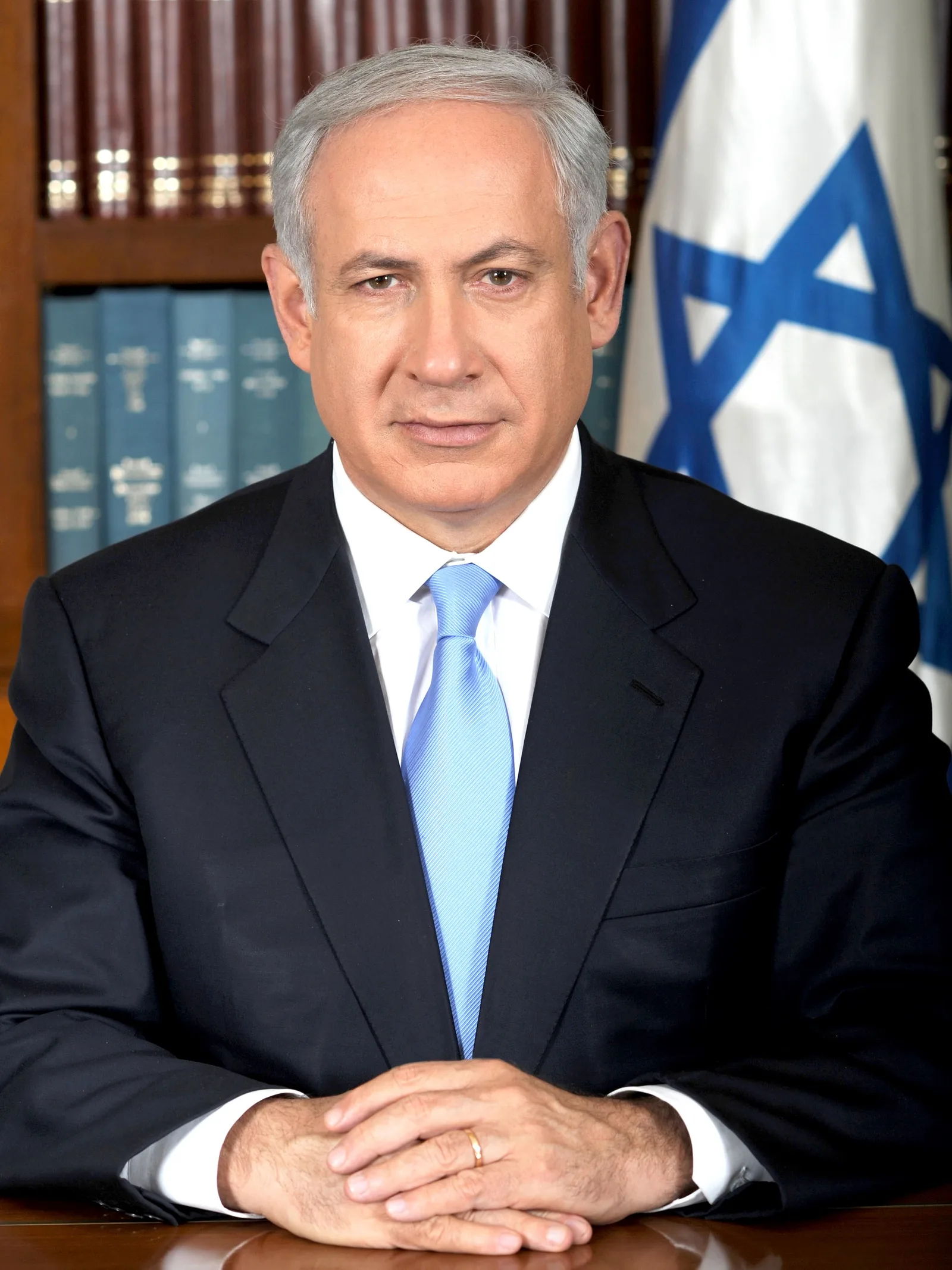 File photo
What happened
Key facts
- Israeli Prime Minister Benjamin Netanyahu said Israel was committed to overthrowing Iran’s government (per mid-day.com).
- Netanyahu called overthrowing Iran’s government the main thing Israel must complete (per mid-day.com, Al Jazeera).
- Netanyahu said he had discussed the goal with U.S. President Donald Trump more than once (per mid-day.com).
- Netanyahu said his most recent discussion with Trump about the goal was on Sunday (per mid-day.com).
- Israeli Army Radio reported that a meeting took place at a military base in southern Israel (per mid-day.com).
- Middle East Eye framed its headline around how far Netanyahu will go to win Israel’s elections (per Middle East Eye, mid-day.com).
- The Jerusalem Post headline says Pete Hegseth and Benjamin Netanyahu met in Israel ahead of elections (per The Jerusalem Post).
- Al Jazeera’s headline says Israel’s opposition is more hawkish than Netanyahu on Iran (per Al Jazeera, mid-day.com).
- DW’s headline says Trump endorsed Netanyahu ahead of elections (per DW, mid-day.com).
The brief
Israeli Prime Minister Benjamin Netanyahu said Israel was committed to overthrowing Iran’s government, describing that goal as the main thing Israel must complete. In remarks at a university in northern Israel, he said he had discussed the objective with U.S. President Donald Trump more than once. Netanyahu said the latest of those discussions took place on Sunday.
The account does not give the date of that conversation or detail what Trump said during it. It establishes Netanyahu’s description of the discussions, rather than an independently confirmed account of their content. The remarks place Netanyahu’s stated policy toward Iran alongside the approaching Israeli elections.
Middle East Eye’s headline poses the question of how far Netanyahu will go to win those elections. AP News characterizes the October 27 election as a referendum on Netanyahu, while DW’s headline says Trump endorsed him ahead of the vote. Those headlines supply election-related framing, but do not provide further details about Netanyahu’s Iran policy or the endorsement.
A separate headline from The Jerusalem Post says U.S. Defense Secretary Pete Hegseth and Netanyahu met in Israel ahead of the elections. The available account of Netanyahu’s public remarks does not connect that meeting to his stated goal concerning Iran.
Israeli Army Radio reported that a meeting took place at a military base in southern Israel, but the excerpt does not identify who attended that meeting. Al Jazeera’s headline says Israel’s opposition is more hawkish than Netanyahu on Iran.
It offers a contrasting electoral frame to coverage focused on Netanyahu, but does not specify which opposition figures or policies it means. The headline and Netanyahu’s remarks therefore point to Iran as an election issue while giving different kinds of information: a claim about the opposition’s position and Netanyahu’s own stated objective.
Netanyahu described overthrowing Iran’s government as a goal he had discussed with Trump; the account does not report an agreement between them. The election-related headlines add claims about Trump’s endorsement, Hegseth’s meeting with Netanyahu and the opposition’s stance, without elaborating on their substance.
Netanyahu’s stated position and the public remarks are the clearest account of his own words; they do not specify what steps he would take to pursue the goal.
Why it matters
- Making regime change Israel’s stated objective broadens the war beyond degrading Iran’s military and could prolong fighting, leaving Iranian civilians and critical infrastructure exposed to further strikes. Netanyahu’s repeated discussions with Trump also put the U.S.-Israel relationship under pressure: whether Washington backs that goal could shape military support and any path to negotiations, though the remarks alone do not show Trump has endorsed it.
What to watch next
- Whether Netanyahu makes further public statements about his stated goal concerning Iran.
- Whether Netanyahu or Trump publicly describes their discussions about overthrowing Iran’s government.
- Whether Pete Hegseth or Netanyahu provides further details about the meeting identified in The Jerusalem Post headline.
- How the October 27 election unfolds, which AP News describes as a referendum on Netanyahu.
How it's being covered
Coverage analysisShow details6 source articles · 6 unique outletsOutlet political mix: Mixed· 1 Left · 3 Center · 1 Right · 1 unratedWhere the outlets are based: Middle East 50% · Europe 17% · Other 33%
One source is from a wire service (AP, Reuters, AFP or Bloomberg), whose reporting other outlets often republish.
How outlets' accounts compare
Timeline
Developments from this story's sources, dated background we compiled and fact-checked, and our earlier coverage. Each row says which.- Iran signed the Treaty on the Non-Proliferation of Nuclear Weapons in 1968, and its nuclear program began under Shah Mohammad Reza Pahlavi with US and Western support through the “Atoms for Peace” initiative.Background · from our historical context
- Iran’s Islamic Revolution overthrew the Shah and ended the countries’ prior alignment with Israel.Background · compiled and fact-checked by Updat3
- Benjamin Netanyahu first became Israel’s prime minister.Background · compiled and fact-checked by Updat3
- In 2002, revelations about undeclared Iranian nuclear facilities prompted international scrutiny; the International Atomic Energy Agency later documented failures by Iran to meet its safeguards obligations.Background · from our historical context
- Iran and six world powers signed the Joint Comprehensive Plan of Action (JCPOA) on July 14, 2015; the UN Security Council endorsed it in Resolution 2231.Background · from our historical context
- On May 8, 2018, US President Donald Trump announced that the United States would withdraw from the agreement and restore sanctions.Background · from our historical context
- Iran began exceeding some JCPOA limits in 2019, saying its steps answered the US withdrawal and sanctions.Background · from our historical context
- The strikes followed direct exchanges between Israel and Iran in 2024.Background · from our historical context
- On April 1, 2024, a strike on an Iranian diplomatic compound in Damascus killed senior Iranian commanders; Israel did not publicly claim responsibility at the time.Background · from our historical context
- Explosions near Isfahan were widely reported as an Israeli strike.Background · compiled and fact-checked by Updat3
- On February 28, 2026, the United States and Israel launched coordinated strikes on Iranian power plants, air defenses and military infrastructure, beginning the ongoing war.Background · from our historical context
How we got here
On February 28, 2026, the United States and Israel launched coordinated strikes on Iranian power plants, air defenses and military infrastructure, beginning the ongoing war. The strikes followed direct exchanges between Israel and Iran in 2024.
On April 1, 2024, a strike on an Iranian diplomatic compound in Damascus killed senior Iranian commanders; Israel did not publicly claim responsibility at the time. Iran said its April 13–14 drone and missile attack on Israel was a response to that strike.
Original sources
1 of 6 articles · Global · Show allEvery story links to the reporting it was built from. How we choose sources
Spotted a factual error, a broken link or a misleading summary? Tell us.