
Ibayashi visits Yasukuni Shrine with cross-party lawmakers
Land Minister Tatsunori Ibayashi visited Tokyo’s Yasukuni Shrine during its autumn festival as part of a cross-party group. The group included about 70 lawmakers, while Hiroshi Kajiyama delivered an offering on behalf of Prime Minister Sanae Takaichi.
AI-assisted synthesis · Based on 4 independent reports from 5 outlets · Article text read from 2 of 4 reportsHow it's made
View timeline · 7 entries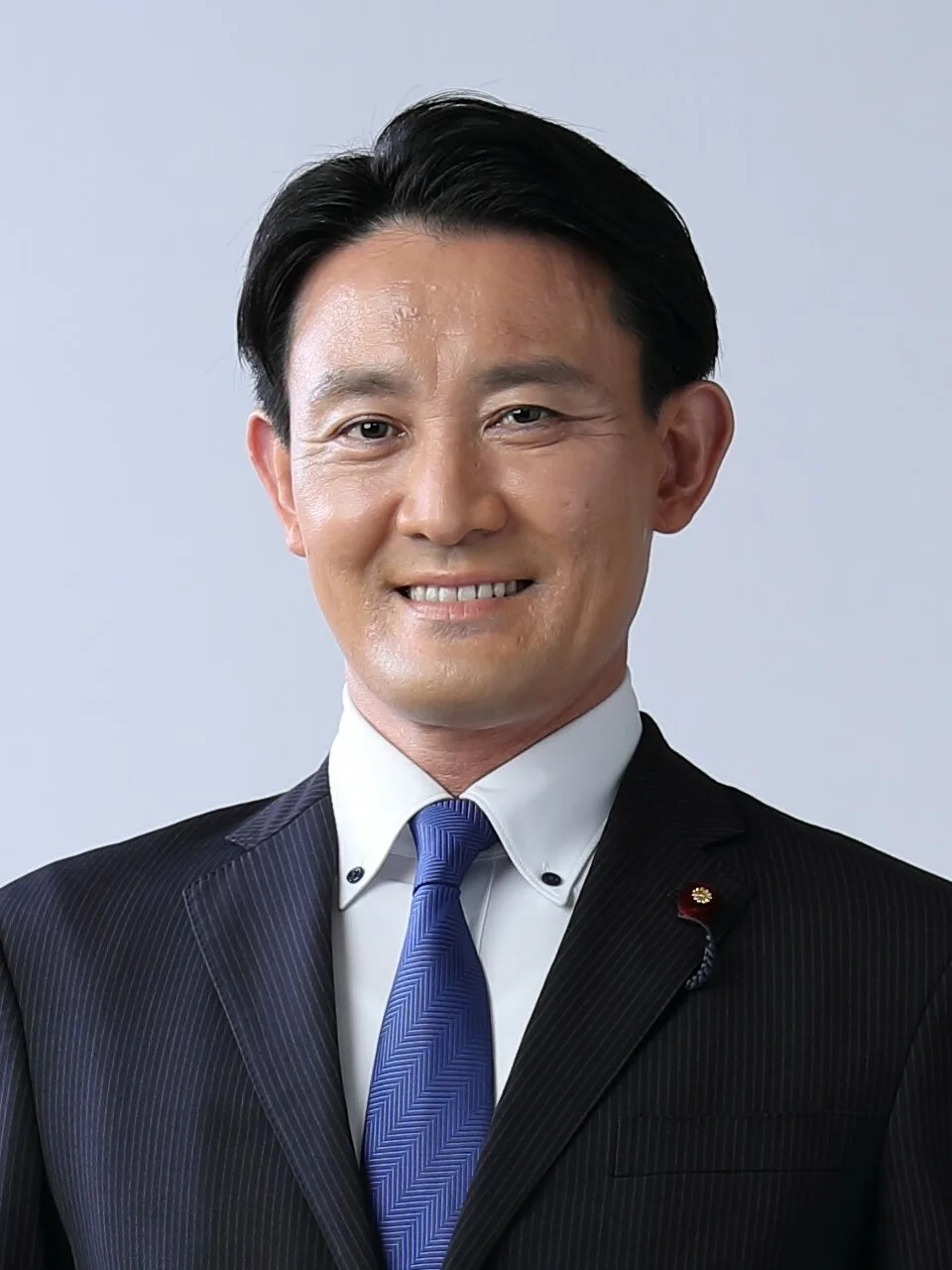 File photo
What happened
Key facts
- The group was led by Ichiro Aisawa of the Liberal Democratic Party (per The Japan Times, The Straits Times).
- Hiroshi Kajiyama made a ritual cash offering on behalf of Prime Minister Sanae Takaichi, who is also Liberal Democratic Party president; he said it came from her personal expense (per The Japan Times, The Straits Times).
- Sanae Takaichi was expected to forgo an in-person visit during the shrine’s three-day autumn festival, which ended on Oct 19 (per The Straits Times).
The brief
Land, Infrastructure, Transport and Tourism Minister Tatsunori Ibayashi visited Tokyo’s Yasukuni Shrine during its autumn festival as part of a cross-party group, joining a gathering that included about 70 lawmakers.
The Japan Times reported that Ibayashi was the second minister to visit the shrine during the festival that year, following growth strategy minister Minoru Kiuchi, who visited on Saturday. Ichiro Aisawa of the Liberal Democratic Party led the suprapartisan group. Aisawa said its purpose included passing on the hardship of war and the importance of peace to future generations.
The lawmakers came from the Liberal Democratic Party, its Japan Innovation Party ally, the Democratic Party for the People and Sanseito. The Straits Times and The Japan Times describe the visit as a cross-party gathering during the seasonal festival.
NHK’s headline also reports a lawmakers’ visit for the festival, while Jiji Press’s headline reports that a second minister visited. Those headlines corroborate the event but do not add further details about the group or its stated purpose.
Prime Minister Sanae Takaichi did not attend in person, according to The Straits Times, which said she was expected to forgo a visit during the three-day festival ending on Oct 19. The outlet reported that she sent evergreen twigs as a ritual offering on Oct 17 and a monetary offering on Oct 19. Hiroshi Kajiyama delivered a ritual cash offering on Takaichi’s behalf.
The Japan Times reported that Kajiyama said the money came from Takaichi’s personal expense and quoted him describing the offering as entrusted to him from the party president’s heart. The Straits Times separately quoted Kajiyama saying he brought the offering as a token from Takaichi in her capacity as party president.
Yasukuni is described by The Straits Times as a shrine linked to Japan’s wartime past and by The Japan Times as war-related. The visit and offerings therefore involved both a parliamentary group’s stated message about war and peace and actions at a shrine associated in the coverage with Japan’s wartime history.
The sources do not report a statement from Ibayashi about his individual reason for attending.
Why it matters
- About 70 lawmakers from four named political groupings took part in the visit, making the event a cross-party parliamentary gathering rather than an individual minister’s visit alone.
- Aisawa said the group sought to pass on the misery of war and the value of peace to future generations.
- Takaichi’s offerings were made through two channels: evergreen twigs on Oct 17 and a monetary offering on Oct 19; Kajiyama said the cash came from her personal expense.
- The shrine’s description as war-related or linked to Japan’s wartime past gives the lawmakers’ stated focus on war and peace direct relevance to the setting.
What to watch next
- Whether another minister visits Yasukuni Shrine during a later seasonal festival.
- Whether the cross-party group makes further visits or statements about conveying the hardship of war and the value of peace.
- Whether Sanae Takaichi makes an in-person visit to Yasukuni Shrine at a future festival.
How it's being covered
Coverage analysisShow details5 source articles · 5 unique outlets · 4 distinct reportsOutlet political mix: Center Only· 3 Center · 2 unratedWhere the outlets are based: Asia 60% · Europe 20% · Other 20%
- Coverage is currently concentrated among Center-rated outlets (3 of 3 rated sources); comparatively few Left or Right-rated outlets have published on the event.
One source is from a wire service (AP, Reuters, AFP or Bloomberg), whose reporting other outlets often republish.
How outlets' accounts compare
3 framing differences · 2 uncorroborated claims · 1 information gap- The Straits Times calls Yasukuni a shrine linked to Japan’s past militarism and describes its significance to Asian neighbours; The Japan Times calls it war-related.
- The Japan Times supplies the group’s leadership, approximate size, party affiliations and stated purpose; The Straits Times focuses on Takaichi’s offerings and the expected absence of an in-person visit.
- The group’s purpose is attributed to Ichiro Aisawa; the sources do not attribute an individual explanation for attending to Ibayashi.
- Aisawa said the group sought to convey the misery of war and the value of peace to future generations.
- Kajiyama said the cash offering was made at Takaichi’s personal expense.
- The sources do not provide reactions from Asian governments or other groups to Ibayashi’s visit.
Timeline
Developments from this story's sources, dated background we compiled and fact-checked, and our earlier coverage. Each row says which.- The shrine was established in Tokyo in 1869, during the Meiji Restoration, to commemorate people who died serving Japan.Background · from our historical context
- It was renamed Yasukuni in 1879.Background · from our historical context
- The shrine was renamed Yasukuni.Background · compiled and fact-checked by Updat3
- Prime Minister Shinzo Abe visited Yasukuni Shrine.Background · compiled and fact-checked by Updat3
- In August 2021, Prime Minister Yoshihide Suga sent a ritual offering instead of visiting in person, while several cabinet ministers visited the shrine.Background · from our historical context
- Sanae Takaichi became Japan’s prime minister.Background · compiled and fact-checked by Updat3
- Sanae Takaichi was expected to forgo an in-person visit during the shrine’s three-day autumn festival, which ended on Oct 19.
How we got here
On December 26, 2013, Prime Minister Shinzo Abe visited Yasukuni Shrine, prompting criticism from China and South Korea and a statement of “disappointment” from the United States; the visit became a prominent precedent in disputes over Japanese officials’ attendance.
In August 2021, Prime Minister Yoshihide Suga sent a ritual offering instead of visiting in person, while several cabinet ministers visited the shrine. The shrine was established in Tokyo in 1869, during the Meiji Restoration, to commemorate people who died serving Japan. It was renamed Yasukuni in 1879.
Original sources
1 of 5 articles · Unknown · Show allEvery story links to the reporting it was built from. How we choose sources
Spotted a factual error, a broken link or a misleading summary? Tell us.