
India rejects report by UN human rights expert that says Indian youth face retaliation, terms claims as 'hearsay'
India rejected a United Nations human-rights expert’s report, with Indian diplomat Anuj Swarup calling its claims “hearsay.” The report said Indian youth faced retaliation or stigma for discussing mental health or gender justice, while Swarup challenged its reliance on anonymous submissions.
AI-assisted synthesis · Based on 4 outlets' reporting · Full text read from 2 of 4 outletsHow it's made
View timeline · 4 entries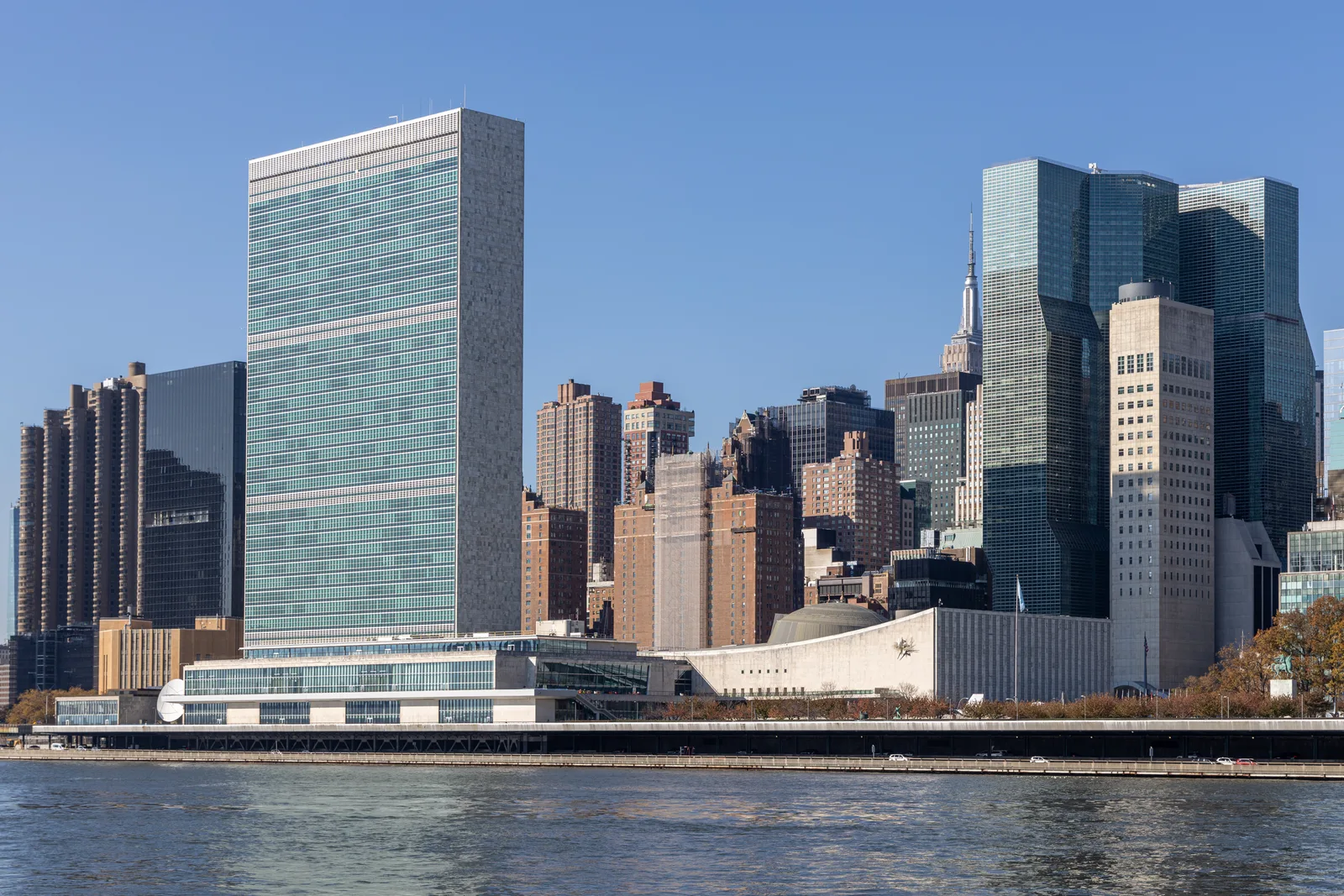 File photo
What happened
Key facts
- India rejected a report by United Nations human-rights expert Gina Romero as “hearsay.” (per abplive.com, India Today).
- The report said young people in India faced retaliation or stigma for discussing mental health or gender justice (per India Today, The Hindu, abplive.com).
- Swarup argued that anonymous inputs could not support broader claims about a population of 1.4 billion (per abplive.com, India Today).
- Swarup said a footnote cited only “unnamed submissions.” (per India Today).
- Swarup said Article 19 of India’s Constitution guarantees freedom of speech and expression, peaceful assembly and association (per abplive.com, India Today).
The brief
India rejected a United Nations human-rights expert’s report on young people, with Indian diplomat Anuj Swarup describing its claims as “hearsay” and challenging the evidence behind its conclusions. The report said Indian youth faced retaliation or stigma for discussing mental health or gender justice, and referred to a “satirical political movement” created by young people.
Swarup criticised Special Rapporteur Gina Romero’s use of anonymous inputs. He argued that such material could not justify general conclusions about India’s population of 1.4 billion. India Today reported that Swarup said a footnote cited only “unnamed submissions”; ABP Live also reported his objection to relying on anonymous submissions to make broader assertions about India.
The two accounts give differing amounts of detail about what India challenged. India Today describes the report’s claims about retaliation or stigma and its reference to the youth-created movement. ABP Live focuses on Swarup’s objection to anonymous evidence and his argument that it was being used to generalise about the population.
The accounts identify the same central dispute: the report’s claims about youth and the basis India says supports them. Swarup also defended India’s constitutional and institutional safeguards. He said Article 19 guarantees citizens freedom of speech and expression, peaceful assembly and association.
ABP Live additionally reports that he cited an independent judiciary, a free press and the National Human Rights Commission. These are India’s stated grounds for rejecting the report; the accounts do not independently assess whether those safeguards address the report’s specific claims.
The exchange took place during the Third Committee’s examination of human-rights issues at the 81st session of the United Nations General Assembly, according to ABP Live. India Today describes the setting as a UN committee dialogue.
Both accounts report India’s rejection, while the details they emphasize differ: India Today foregrounds the report’s assertions about young people, and ABP Live foregrounds Swarup’s criticism of the evidentiary basis and his reference to safeguards. The reporting establishes the competing positions, not a finding on whether young people experienced retaliation or stigma.
India rejects the report’s claims as inadequately supported; Romero’s report, as described by India Today, makes claims about the experiences of young people and cites submissions. The accounts do not provide the underlying submissions or further findings that would resolve that disagreement.
The immediate issue is therefore both substantive and evidentiary: what the report says about youth in India, and whether its cited material supports those claims. The exchange records India’s position at the committee, but does not document a committee decision or an independent determination of the report’s conclusions.
Why it matters
- Young people in India are the population named in the report’s claims; the alleged mechanism of harm is retaliation or stigma tied to discussing mental health or gender justice.
- The dispute concerns the evidentiary basis for claims about a population of 1.4 billion: India’s diplomat objected to anonymous inputs and submissions.
- India’s stated counterargument invokes Article 19 protections for speech, expression, peaceful assembly and association, alongside institutions Swarup cited as safeguards.
- The exchange occurred in the UN General Assembly’s Third Committee, putting the report’s claims and India’s rejection in a human-rights committee setting.
What to watch next
- Whether Gina Romero or the report’s authors address Swarup’s criticism of anonymous submissions.
- Whether India provides a further response to the report’s claims about youth facing retaliation or stigma.
- Whether the Third Committee takes a documented decision on the report or the issues raised in the exchange.
How it's being covered
Coverage analysisShow details4 source articles · 4 unique outletsCoverage mix: Center Only· 4 CenterWhere the outlets are based: Asia 100%
- Coverage is currently concentrated among Center-rated outlets (4 of 4 rated sources); comparatively few Left or Right-rated outlets have published on the event.
- Coverage is currently concentrated among outlets based in Asia (4 of 4 geographically-identified sources).
How outlets' accounts compare
1 framing difference · 2 uncorroborated claims · 3 information gaps- India Today foregrounds the report’s claims about youth facing retaliation or stigma and its reference to a satirical political movement; ABP Live emphasizes India’s objection to anonymous inputs and its defense of constitutional and institutional safeguards.
- India attributes the report’s broad claims to anonymous inputs; the report, as described by India Today, makes claims about young people’s experiences.
- Swarup called the report “hearsay” and argued that relying on anonymous inputs to generalise about 1.4 billion people did a disservice to the mandate.
- The accounts do not identify the specific incidents or individuals underlying the report’s claims about retaliation or stigma.
- The accounts do not provide the underlying submissions or a committee decision resolving the disagreement.
- India rejects the report’s claims as hearsay and challenges its reliance on anonymous submissions; the accounts do not provide the underlying submissions or an independent finding on the claims.
Timeline
Developments from this story's sources, dated background we compiled and fact-checked, and our earlier coverage. Each row says which.- India had also ratified the International Covenant on Civil and Political Rights on 10 April 1979; its provisions protect expression and prohibit discrimination.Background · from our historical context
- The Council established that independent-expert mandate in Resolution 15/21 on 30 September 2010.Background · from our historical context
- The Union government’s National Youth Policy, adopted in 2014, set out priorities for people aged 15 to 29.Background · from our historical context
- Before the report at issue, Gina Romero began serving in May 2024 as the UN Human Rights Council’s Special Rapporteur on the rights to freedom of peaceful assembly and of association.Background · from our historical context
How we got here
Before the report at issue, Gina Romero began serving in May 2024 as the UN Human Rights Council’s Special Rapporteur on the rights to freedom of peaceful assembly and of association. The Council established that independent-expert mandate in Resolution 15/21 on 30 September 2010.
The mandate forms part of the UN’s special-procedures system, through which independent experts examine human-rights issues and report to the Council; it does not make them a court or give them authority to issue binding judgments. The General Assembly adopted the Convention on the Rights of the Child on 20 November 1989, and India ratified it on 11 December 1992.
Original sources
4 articles from 4 outletsEvery story links to the reporting it was built from. How we choose sources
Spotted a factual error, a broken link or a misleading summary? Tell us.