
Iran prolongs talks in stalemate to punish Trump ahead of US midterms, officials say
Senior officials told Asharq Al-Awsat that Iran is prolonging talks with the United States to weaken Donald Trump politically before the November midterms. The account says distrust of Washington and concern about renewed military action have also made Tehran reluctant to reach a quick deal to end the war.
AI-assisted synthesis · Based on 3 independent reports from 6 outlets · Article text read from 1 of 3 reportsHow it's made
View timeline · 13 entries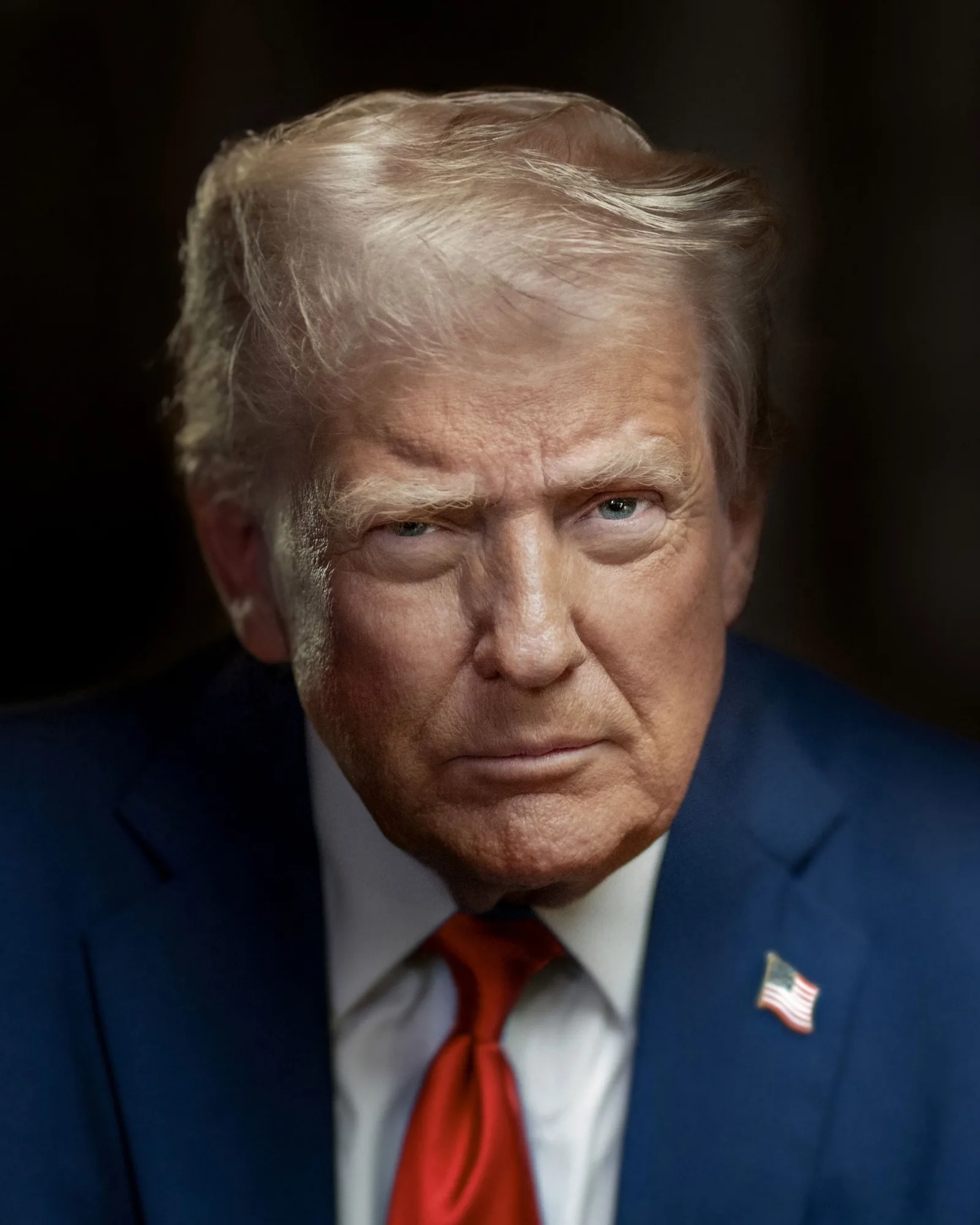 File photo
What happened
Key facts
- Senior officials said Iran has prolonged talks with the United States in an effort to weaken Donald Trump politically before the US midterm elections (per aawsat.com, The Jerusalem Post).
- The war began in February when the United States and Israel launched strikes on Iran (per aawsat.com).
- Trump has said the United States will not bomb Iran again before November 3 (per aawsat.com).
- The report says the war has contributed to Trump’s approval rating reaching a record low (per aawsat.com).
The brief
Senior officials told Asharq Al-Awsat that Iran has prolonged talks with the United States to weaken Donald Trump politically before the US midterm elections.
The officials’ account connects Tehran’s negotiating approach to the November congressional vote, while also citing Iranian distrust of Washington and fear of renewed military action as reasons it is reluctant to reach a quick agreement to end the war. The report says the war began in February, when the United States and Israel launched strikes on Iran.
It says the conflict has helped push Trump’s approval rating to a record low. Polls cited in the account suggest that concern among Americans over high gasoline prices could lead voters to punish the Republican Party in the November 3 congressional elections. Trump has said the United States will not bomb Iran again before November 3.
The report does not describe that statement as an agreement with Tehran; it presents it alongside officials’ account of Iran’s reluctance to make a quick deal and its concern about further military action. The account also gives figures for Iran’s seaborne crude exports.
According to energy intelligence platform Vortexa, exports dropped to zero in the second week of September, after averaging 230,000 barrels per day over 14 days at the start of the month. Vortexa data cited in the report put exports at zero as of October 5. The figures describe the export flow; the report does not provide a separate estimate of its financial effect.
The report also includes an account of Israeli election campaigning: a Likud billboard in Beni Brak showed Prime Minister Benjamin Netanyahu alongside opposition party leaders and carried the Hebrew slogan “Right or Palestine.” It was displayed ahead of Israel’s general election. The account does not connect the billboard to the US-Iran talks.
The negotiating account is attributed to senior officials, and the report gives no names for them. It does not specify the duration of the talks or the terms under discussion.
Its central account is that Iranian officials see a political purpose in prolonging negotiations ahead of the US midterms, while distrust and concern about military action also weigh against a quick agreement. Trump’s stated position is that the United States will not bomb Iran again before November 3.
Why it matters
- US voters concerned about gasoline prices are the specific population identified as a potential electoral cost: polls cited in the report suggest that concern could hurt Republicans in the November 3 congressional elections.
- Trump’s political standing is implicated in the officials’ account: the report says the war has helped drive his approval rating to a record low.
- Iran’s oil-export mechanism is a concrete economic stake: Vortexa data cited by Asharq Al-Awsat put seaborne exports at zero as of October 5, down from a 14-day average of 230,000 barrels per day at the start of September.
- Iran’s stated negotiating incentives in the report include weakening Trump before the midterms; the account also identifies Tehran’s distrust of Washington and fear of renewed military action as factors in its reluctance to agree quickly.
What to watch next
- Whether Iran reaches a deal with the United States, given the officials’ account that Tehran is reluctant to agree quickly.
- Whether the United States carries out further bombing before November 3, the date through which Trump said it would not bomb Iran again.
- Whether concern about gasoline prices affects the Republican Party in the November 3 congressional elections, as polls cited in the report suggest.
- Whether Vortexa’s reported figure for Iranian seaborne crude exports changes from zero, the level it recorded as of October 5.
How it's being covered
Coverage analysisShow details6 source articles · 6 unique outlets · 2 distinct reportsOutlet political mix: Mostly Center· 3 Center · 1 Right · 2 unratedWhere the outlets are based: Middle East 33% · Europe 17% · Other 50%
- Coverage is currently concentrated among Center-rated outlets (3 of 4 rated sources); comparatively few Left-rated outlets have published on the event.
2 sources are from a wire service (AP, Reuters, AFP or Bloomberg), whose reporting other outlets often republish.
How outlets' accounts compare
Timeline
Developments from this story's sources, dated background we compiled and fact-checked, and our earlier coverage. Each row says which.- On August 19, 1953, a CIA- and MI6-backed coup, known as Operation Ajax, overthrew Prime Minister Mohammad Mosaddegh and restored the Shah’s authority.Background · from our historical context
- The Iranian Revolution ended the monarchy and the Shah’s rule.Background · compiled and fact-checked by Updat3
- Iran later developed regional armed partners, including Hezbollah, founded in Lebanon in 1982.Background · from our historical context
- In 2002, revelations about undeclared Iranian nuclear facilities prompted international scrutiny.Background · from our historical context
- The United States, Iran and other world powers concluded the Joint Comprehensive Plan of Action (JCPOA) on July 14, 2015; it limited Iran’s nuclear activities in return for sanctions relief.Background · from our historical context
- President Donald Trump withdrew the United States from the agreement on May 8, 2018.Background · from our historical context
- Iran began exceeding JCPOA limits in 2019, saying its steps answered the US withdrawal.Background · from our historical context
- Direct exchanges between Iran and Israel followed in 2024.Background · from our historical context
- Iran launched drones and missiles at Israel, describing the attack as a response to an April 1 strike on an Iranian diplomatic compound in Damascus.Background · compiled and fact-checked by Updat3
- Israel struck Iranian military sites, describing the operation as a response to Iran’s October 1 missile attack.Background · compiled and fact-checked by Updat3
- Donald Trump won the presidency, and Republicans gained control of the Senate.Background · compiled and fact-checked by Updat3
- Donald Trump was inaugurated for a second, non-consecutive term as U.S. president.Background · compiled and fact-checked by Updat3
- On February 28, 2026, the United States and Israel launched coordinated strikes on Iranian power plants, air defenses and military infrastructure.Background · from our historical context
How we got here
On February 28, 2026, the United States and Israel launched coordinated strikes on Iranian power plants, air defenses and military infrastructure. On August 19, 1953, a CIA- and MI6-backed coup, known as Operation Ajax, overthrew Prime Minister Mohammad Mosaddegh and restored the Shah’s authority.
The 1979 Iranian Revolution ended the monarchy and the Iran-Israel alignment; opposition to the Shah’s US-backed rule and SAVAK security service was among the revolution’s roots. From 1980 to 1988, Iran fought Iraq under Saddam Hussein, which received US support, including intelligence that aided its use of chemical weapons.
Original sources
1 of 6 articles · Unknown · Show allEvery story links to the reporting it was built from. How we choose sources
Spotted a factual error, a broken link or a misleading summary? Tell us.