
Iran says Israel’s election will not change Tehran’s position
Iranian Foreign Ministry spokesperson Baghaei said Israel’s election outcome would not matter to Tehran. The Times of Israel’s headline says a meeting in Tehran on the Mecca Agreement will discuss what it calls “Zionist expansionism.”
AI-assisted synthesis · Based on 5 outlets' reporting · Article text read from 2 of 5 outletsHow it's made
View timeline · 10 entries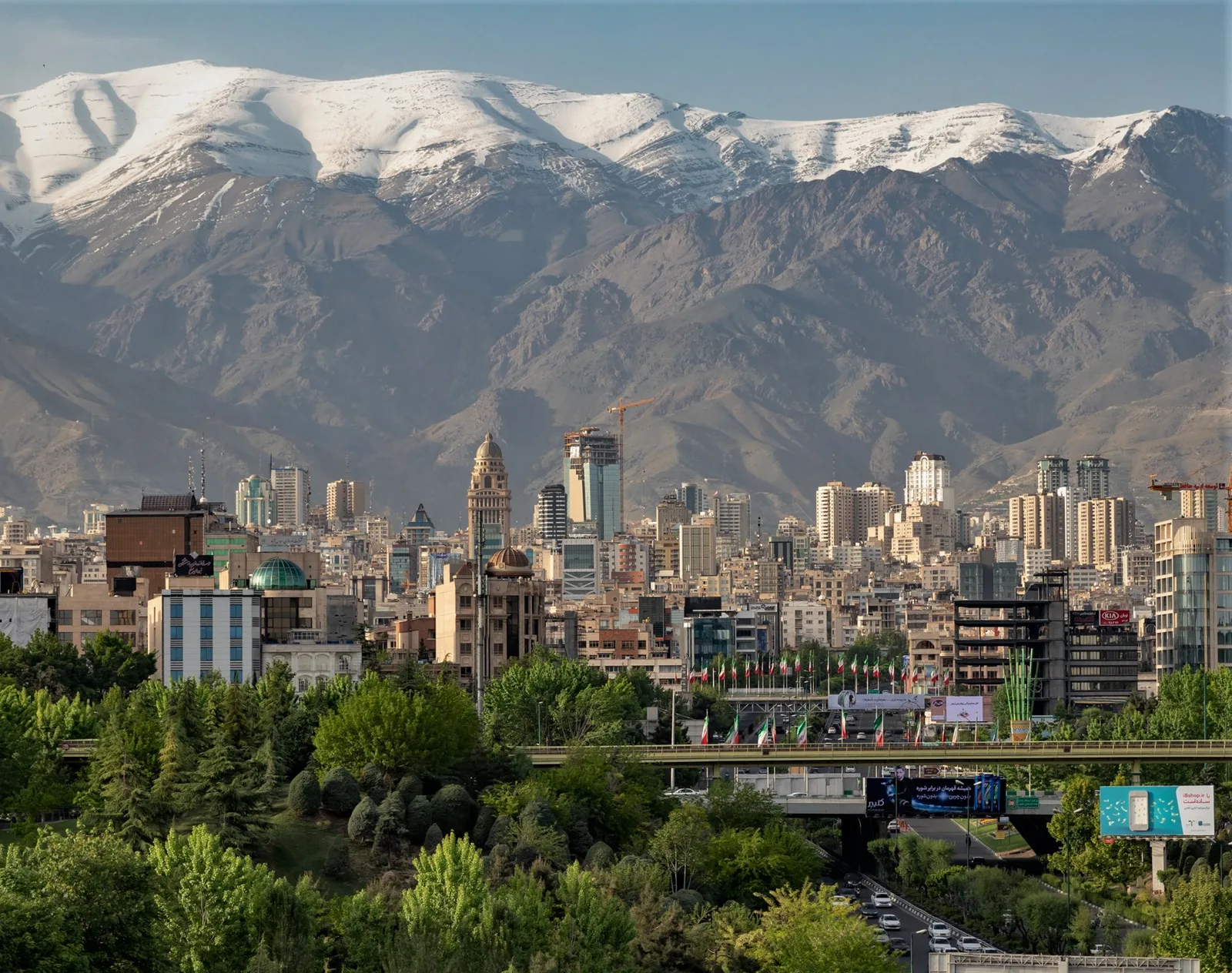 File photo
What happened
Key facts
- Iranian Foreign Ministry spokesperson Esmaeil Baghaei said the Israeli election result would make no difference to Tehran.
- The election is for the 120-seat Knesset.
- The article says Eisenkot is a former Israel Defense Forces chief of staff.
- The article says Israelis are scheduled to vote on October 27, 2026.
The brief
Iranian Foreign Ministry spokesperson Baghaei said Israel’s election result would not matter to Tehran, as Israel prepared to vote in a legislative election on October 27, 2026. The Times of Israel’s headline linked the Tehran meeting on the Mecca Agreement to a discussion of what it termed “Zionist expansionism.”
Streamlinefeed described the election as tightly contested and said Prime Minister Benjamin Netanyahu faced a challenge from Gadi Eisenkot. At a campaign rally on October 26, Eisenkot warned that Netanyahu would stop at nothing to remain in power and urged voters to put national resilience ahead of political survival. These are Eisenkot’s campaign claims, not independently established findings. The accounts present different details around Baghaei’s remarks. The Times of Israel’s headline foregrounds the planned Mecca Agreement discussion in Tehran, while ANI’s headline says Baghaei compared the Israeli election to the film Dr. Strangelove. Neither headline provides the wording or context of those remarks beyond its stated description. Newsquawk reports Baghaei’s position that the election outcome does not matter to Tehran. A potential consequence inside Israel, according to Streamlinefeed, is that a fragmented Knesset could bring extended coalition negotiations or another snap election. The outlet connected that possibility to political paralysis it said had constrained long-term economic planning and strategic defense posture. Those outcomes remain contingent on the vote and the formation of a government. Newsquawk also reported that Netanyahu told Israel’s Channel 14 that Israel would strike Iran again. The report supplies no timing or further details for the stated future strike. Baghaei separately criticized U.S. Secretary of State Rubio’s accusation that Iran engaged in piracy, saying the United States takes pride in piracy; Newsquawk provides no additional evidence about the accusation or Baghaei’s counterclaim. The immediate developments are therefore the Israeli vote, the Tehran meeting on the Mecca Agreement described in The Times of Israel’s headline, and the positions attributed to Baghaei, Eisenkot and Netanyahu. The election result and any subsequent coalition arrangement will determine whether Streamlinefeed’s forecast of prolonged negotiations or another election becomes relevant.
Why it matters
- Israeli voters face a decision in the October 27, 2026 legislative election; a fragmented Knesset could mean prolonged coalition talks or another snap election, according to Streamlinefeed.
- The Mecca Agreement meeting in Tehran is tied in The Times of Israel’s headline to discussion of “Zionist expansionism,” placing the election-related remark alongside a stated subject of the meeting.
- Netanyahu’s reported statement that Israel would strike Iran again and Baghaei’s criticism of Rubio’s piracy accusation show distinct official positions reported alongside the election story; Newsquawk gives no timing for a possible strike.
What to watch next
- Whether the Israeli election on October 27, 2026 produces a fragmented Knesset.
- Whether the vote leads to the prolonged coalition negotiations or another snap election Streamlinefeed described as possible.
- What the Tehran meeting on the Mecca Agreement discusses, including the subject named in The Times of Israel’s headline.
- Whether Netanyahu’s reported statement about another strike on Iran is followed by a stated action or timing.
How it's being covered
Coverage analysisShow details5 source articles · 5 unique outletsOutlet political mix: Mostly Right· 1 Center · 2 Right · 2 unratedWhere the outlets are based: Middle East 40% · Asia 20% · Other 40%
How outlets' accounts compare
1 framing difference · 5 uncorroborated claims · 2 information gaps- The Times of Israel’s headline emphasizes the Tehran meeting and its stated discussion of “Zionist expansionism”; ANI’s headline highlights Baghaei’s comparison of the election to Dr. Strangelove; Newsquawk focuses on his statement that the outcome does not matter to Tehran.
- Newsquawk attributes the future-strike statement to Netanyahu via Israel’s Channel 14 and attributes the piracy criticism to Baghaei; it does not independently substantiate either claim.
- Newsquawk reports Netanyahu told Israel’s Channel 14 that Israel would strike Iran again but gives no timing or details of such an action.
- Baghaei said Israel’s election outcome does not matter to Tehran.
- Eisenkot warned that Netanyahu would stop at nothing to retain power, according to Streamlinefeed.
- ANI’s headline says Baghaei compared the Israeli election to Dr. Strangelove.
- The sources do not provide the meeting’s date, participants, agenda beyond the headline’s stated subject, or the text of the agreement.
- The sources provide no civilian impact figures or details of any military action connected to the remarks.
Timeline
Developments from this story's sources, dated background we compiled and fact-checked, and our earlier coverage. Each row says which.- Israel held its first Knesset election, using proportional representation to allocate seats among party lists.Background · compiled and fact-checked by Updat3
- Israel enacted the Basic Law: The Knesset, establishing a 120-member parliament.Background · compiled and fact-checked by Updat3
- The Iranian Revolution ended the Shah’s rule and Iran’s alignment with Israel.Background · compiled and fact-checked by Updat3
- The “Mecca Agreement” discussed in Iranian-Palestinian diplomacy dates to February 8, 2007, when Fatah and Hamas signed a Saudi-brokered deal to form a Palestinian unity government.Background · from our historical context
- Iran and six world powers signed the nuclear agreement known as the JCPOA on July 14, 2015.Background · from our historical context
- Benny Gantz, Gideon Sa'ar and Gadi Eisenkot formed the National Unity alliance.Background · compiled and fact-checked by Updat3
- Israel held a Knesset election in which Benjamin Netanyahu's bloc won a majority.Background · compiled and fact-checked by Updat3
- Benjamin Netanyahu returned to office as prime minister after his bloc won a majority in the Knesset election.Background · compiled and fact-checked by Updat3
- Iran launched missiles at Israel after Israeli operations in Lebanon and the killing of Hezbollah leader Hassan Nasrallah.Background · compiled and fact-checked by Updat3
- The United States and Israel launched coordinated strikes against Iran on February 28, 2026; the war that followed remained ongoing.Background · from our historical context
How we got here
Before Israel’s October 27, 2026 legislative election, the country’s last national vote was held on November 1, 2022. Benjamin Netanyahu returned as prime minister after that election, leading a coalition government.
Israel’s proportional-representation system has repeatedly produced coalition bargaining: between April 2019 and November 2022, Israelis voted in five parliamentary elections. That history made fragmented Knesset results and the prospect of renewed coalition negotiations familiar features of Israeli politics.
Original sources
1 of 5 articles · Asia · Show allEvery story links to the reporting it was built from. How we choose sources
Spotted a factual error, a broken link or a misleading summary? Tell us.