
Likud leads Israel’s incomplete vote count as police reject Netanyahu’s fraud claims
Likud led Israel’s election count with 91% of ballots counted, while police rejected Benjamin Netanyahu’s fraud claims. The count was still incomplete as double-envelope ballots were being counted.
AI-assisted synthesis · Based on 5 outlets' reporting · Article text read from 1 of 5 outlets · 1 article captured only in partHow it's made
View timeline · 10 entries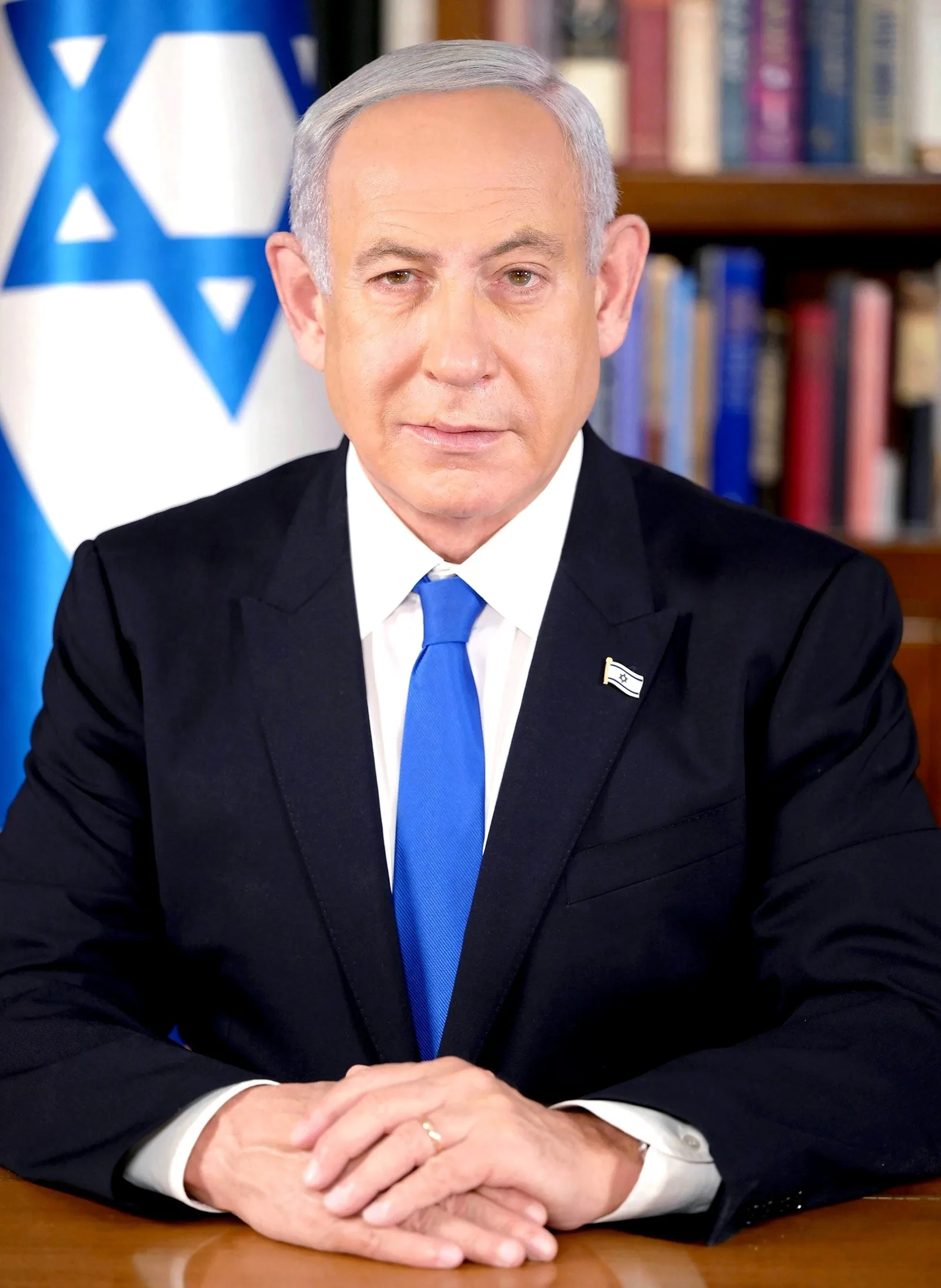 File photo
What happened
Key facts
- Likud led Israel’s election count with 91% of ballots counted (per Hindustan Times).
- Police rejected Benjamin Netanyahu’s claims of fraud (per Hindustan Times).
- The Central Elections Commission was counting double-envelope ballots (per Hindustan Times).
- Netanyahu’s bloc led the election count but was short of a majority (per The Indian Express, BBC).
- Coalition talks were set to begin as the absentee-ballot count continued (per The Guardian).
- The final vote tally was expected by October 30 (per Hindustan Times).
The brief
Likud led Israel’s election count with 91% of ballots counted, while police rejected Benjamin Netanyahu’s claims of fraud, Hindustan Times reported. The result remained incomplete as officials continued counting double-envelope ballots, leaving the final tally unresolved.
The Central Elections Commission was overseeing the count of double-envelope ballots, according to Hindustan Times. Its update described the tally as still in progress and put the counted share at 91%. The report did not provide a final result or say that the counting had concluded. Police rejected Netanyahu’s fraud claims, the outlet reported.
The available account does not give details of the allegations or explain the basis for the police rejection. It establishes the two positions—the claims by Netanyahu and the police response—without describing further evidence or procedural steps. Two headline updates add that Netanyahu’s bloc was leading but had not reached a majority.
The Indian Express and BBC both state that the bloc remained short of a majority; neither headline provides a seat count. That leaves the bloc’s position short of a governing majority in those headline descriptions, while the overall ballot count was still under way in the Hindustan Times account.
The Guardian’s headline says coalition talks were set to begin as absentee ballots were being counted. It does not identify who would take part or give a start time. Hindustan Times separately said the final vote tally was expected by October 30, setting out the stated point by which the count was expected to be completed.
The BBC and The Indian Express headlines characterize Netanyahu’s bloc as leading, while Hindustan Times specifies that Likud led the vote count with 91% counted. Those descriptions concern different levels of the result: the party leading the count and the bloc’s standing relative to a majority.
The headlines do not give details that would reconcile those measures or establish the final distribution of seats. For now, the reported count and the bloc’s majority status remain provisional: the Central Elections Commission was still counting ballots, and the final tally had not been announced.
The next stated milestones are the continuation of the absentee-ballot count, coalition talks noted by The Guardian, and the expected final tally by October 30.
Why it matters
- The Central Elections Commission’s ongoing count means Israel’s final election tally was not yet established when Likud led with 91% of ballots counted.
- The police rejection of Benjamin Netanyahu’s fraud claims puts the claims and the police position directly at issue, though the account gives no details of either’s supporting evidence.
- The Indian Express and BBC describe Netanyahu’s bloc as short of a majority, a concrete constraint on its parliamentary position.
- The Guardian says coalition talks were set to begin, making those talks a stated next political step while counting continued.
What to watch next
- Whether the Central Elections Commission completes counting the double-envelope ballots.
- Whether the final vote tally is announced by October 30, the date Hindustan Times said was expected.
- Whether coalition talks begin, as stated in The Guardian’s headline.
- Whether the final count changes the reported position of Netanyahu’s bloc as short of a majority.
How it's being covered
Coverage analysisShow details6 source articles · 5 unique outletsOutlet political mix: Mostly Center· 1 Left · 3 Center · 1 unratedWhere the outlets are based: Europe 40% · Asia 40% · Other 20%
- Coverage is currently concentrated among Center-rated outlets (3 of 4 rated sources); comparatively few Right-rated outlets have published on the event.
How outlets' accounts compare
Timeline
Developments from this story's sources, dated background we compiled and fact-checked, and our earlier coverage. Each row says which.- The proportional system dates to Israel’s first parliamentary election on January 25, 1949, when parties competed nationwide for seats in the Constituent Assembly, later known as the Knesset.Background · from our historical context
- Israel enacted the Elections Law, which detailed the administration of national elections.Background · compiled and fact-checked by Updat3
- Benjamin Netanyahu first became Israel’s prime minister.Background · compiled and fact-checked by Updat3
- The minimum vote threshold was raised over time, reaching 3.25 percent in 2014; that change placed pressure on smaller parties to join electoral alliances or risk winning no seats.Background · from our historical context
- Israel held a Knesset election in which Likud won the most seats but Benjamin Netanyahu did not assemble a majority.Background · compiled and fact-checked by Updat3
- In June 2021, the United Arab List (Ra’am), an Arab-led party, joined the coalition formed by Naftali Bennett and Yair Lapid, ending Netanyahu’s 12 consecutive years in office.Background · from our historical context
- Israel held a Knesset election in which Benjamin Netanyahu's bloc won a majority.Background · compiled and fact-checked by Updat3
- Benjamin Netanyahu’s new government was sworn in after the 2022 election.Background · compiled and fact-checked by Updat3
- Yechiel Leiter told CNN that Benjamin Netanyahu was interested in forming a broader coalition after the next election.Background · compiled and fact-checked by Updat3
- ScheduledThe final vote tally was expected by October 30.
How we got here
Israel’s November 1, 2022, election was the immediate precedent for Benjamin Netanyahu’s return to power: his bloc won 64 of the Knesset’s 120 seats, and he was sworn in as prime minister on December 29. That vote followed four elections between April 2019 and March 2021, none of which initially produced a stable governing majority.
In June 2021, the United Arab List (Ra’am), an Arab-led party, joined the coalition formed by Naftali Bennett and Yair Lapid, ending Netanyahu’s 12 consecutive years in office. Arab-led parties’ role in coalition arithmetic had therefore become a prominent feature of Israeli electoral politics before the 2022 vote.
Original sources
2 of 6 articles · Europe · Show allEvery story links to the reporting it was built from. How we choose sources
Spotted a factual error, a broken link or a misleading summary? Tell us.