
Netanyahu-led bloc leads as Israel counts remaining ballots
Partial election results put the Likud-led bloc ahead of the anti-Netanyahu bloc, with just over 84.5% of votes counted by 12:30 p.m. local time, DW reported. The final tally could take days, and President Isaac Herzog said he expected to receive the official results the following week.
AI-assisted synthesis · Based on 5 outlets' reporting · Article text read from 1 of 5 outletsHow it's made
View timeline · 7 entries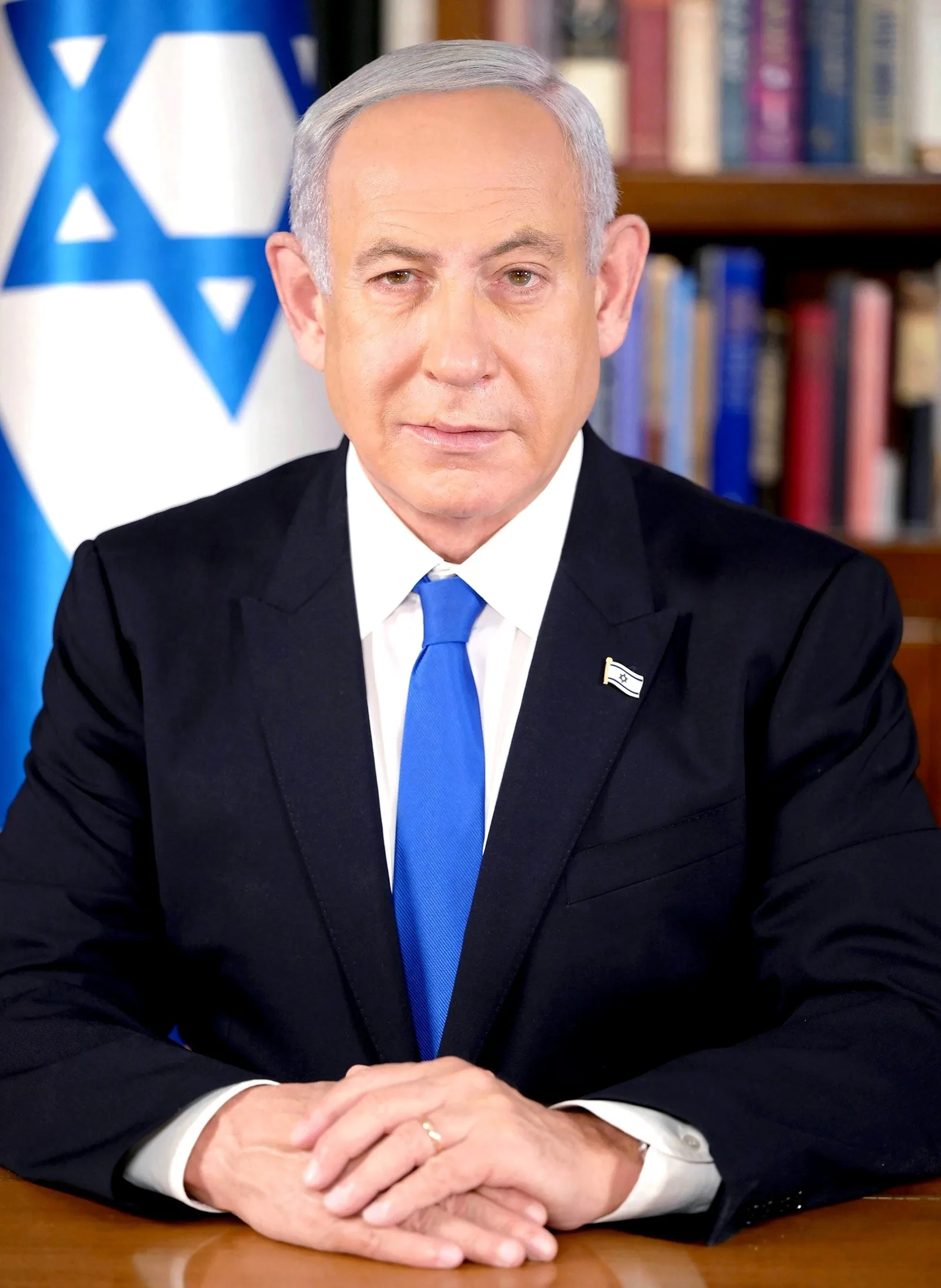 File photo
What happened
Key facts
- Partial election results showed the Likud-led bloc ahead of the anti-Netanyahu bloc (per DW).
- Yousef Jabareen said that anyone seeking a substantive alternative to Benjamin Netanyahu's government would need to work with his side to advance change (per DW).
- Yousef Jabareen said on X that those seeking change should not accept what he called Netanyahu's division between Jewish and Arab votes (per DW).
- The Guardian headline said exit polls pointed to a tie between the Netanyahu and Eisenkot blocs (per The Guardian).
The brief
Partial results put the Likud-led bloc ahead of the anti-Netanyahu bloc in Israel's election, with just over 84.5% of votes counted by 12:30 p.m. local time, DW reported. The outlet said the final tally could take days, leaving the result unresolved as counting continued. The Jerusalem Post headline said election officials were due to count double-envelope ballots overnight.
CNN's headline characterized the contest between Netanyahu and a rival as a tough battle for power with most votes counted. Neither headline provides further detail about the count or the rival's identity. ynetnews.com's headline put the Netanyahu bloc at 55 seats when more than half the votes had been counted.
The Guardian's headline said exit polls pointed to a tie between the Netanyahu and Eisenkot blocs. These descriptions refer to different points or measures in the election process: partial vote counts and exit polls. DW's reported count later showed the Likud-led bloc ahead, while the final tally remained pending.
President Isaac Herzog said he expected to receive the official election results the following week. His statement set out when he anticipated receiving the finalized results; DW did not report a final seat distribution.
Yousef Jabareen told Israeli media that anyone seeking a substantive alternative to Benjamin Netanyahu's government would need to work with his side to make change possible. He also wrote on X that those seeking change should not accept what he described as Netanyahu's division between Jewish and Arab votes.
Jabareen's comments expressed his political position; the account did not provide a response from Netanyahu. The immediate focus is the completion of the ballot count, including the overnight count of double-envelope ballots identified by The Jerusalem Post headline.
DW's account says the full tally could take days, while Herzog said he expected the official results the following week. The reported lead is therefore provisional, and the sources do not establish the final outcome.
Why it matters
- The Likud-led bloc's lead is based on a partial count: just over 84.5% of votes had been counted, so the unfinished tally remains central to determining the result.
- Double-envelope ballots are a specific remaining part of the process: The Jerusalem Post headline said they would be counted overnight.
- The Guardian headline described exit polls as pointing to a tie between the Netanyahu and Eisenkot blocs, while DW reported a lead for the Likud-led bloc in the partial count.
What to watch next
- Whether the overnight count of double-envelope ballots changes the reported standings.
- Whether election officials complete the tally after DW said the final count could take days.
- Whether President Isaac Herzog receives the official results the following week, as he said he expected.
How it's being covered
Coverage analysisShow details6 source articles · 5 unique outletsOutlet political mix: Mixed· 2 Left · 2 Center · 1 RightWhere the outlets are based: Europe 40% · Middle East 40% · Other 20%
How outlets' accounts compare
Timeline
Developments from this story's sources, dated background we compiled and fact-checked, and our earlier coverage. Each row says which.- Israel’s 120-seat Knesset is elected through nationwide proportional representation, a system established for the first Knesset election in January 1949 and retained in later elections.Background · from our historical context
- Parties must pass a minimum vote threshold to win seats; the threshold was raised to 3.25 percent in 2014.Background · from our historical context
- In June 2021, Naftali Bennett formed a coalition with Yair Lapid that included parties from across the political spectrum, including the Arab Islamist party Ra’am.Background · from our historical context
- Benny Gantz, Gideon Sa'ar and Gadi Eisenkot formed the National Unity alliance.Background · compiled and fact-checked by Updat3
- Israel held a Knesset election in which Benjamin Netanyahu's bloc won a majority.Background · compiled and fact-checked by Updat3
- Benjamin Netanyahu’s Likud won the largest number of seats, and a bloc of right-wing and religious parties formed a government with him as prime minister in December 2022.Background · from our historical context
- Benny Gantz and Gadi Eisenkot left Israel’s emergency government.Background · compiled and fact-checked by Updat3
How we got here
Israel’s previous general election was held on November 1, 2022, after the governing coalition formed in 2021 lost its parliamentary majority. Benjamin Netanyahu’s Likud won the largest number of seats, and a bloc of right-wing and religious parties formed a government with him as prime minister in December 2022.
That election followed four national elections between April 2019 and March 2021, none of which produced a government able to remain in office for a full parliamentary term. Israel’s 120-seat Knesset is elected through nationwide proportional representation, a system established for the first Knesset election in January 1949 and retained in later elections.
Original sources
3 of 6 articles · Europe · Show allEvery story links to the reporting it was built from. How we choose sources
Spotted a factual error, a broken link or a misleading summary? Tell us.