
Netanyahu urges India ties as Israel prepares for a possible US policy shift
Benjamin Netanyahu warned that a future U.S. president could be hostile to Israel and urged the country to build alliances with India and Latin American nations. He said Israel should work to strengthen ties in the United States while developing partnerships beyond it.
AI-assisted synthesis · Based on 6 outlets' reporting · Article text read from 2 of 6 outlets · 1 article captured only in partHow it's made
View timeline · 8 entries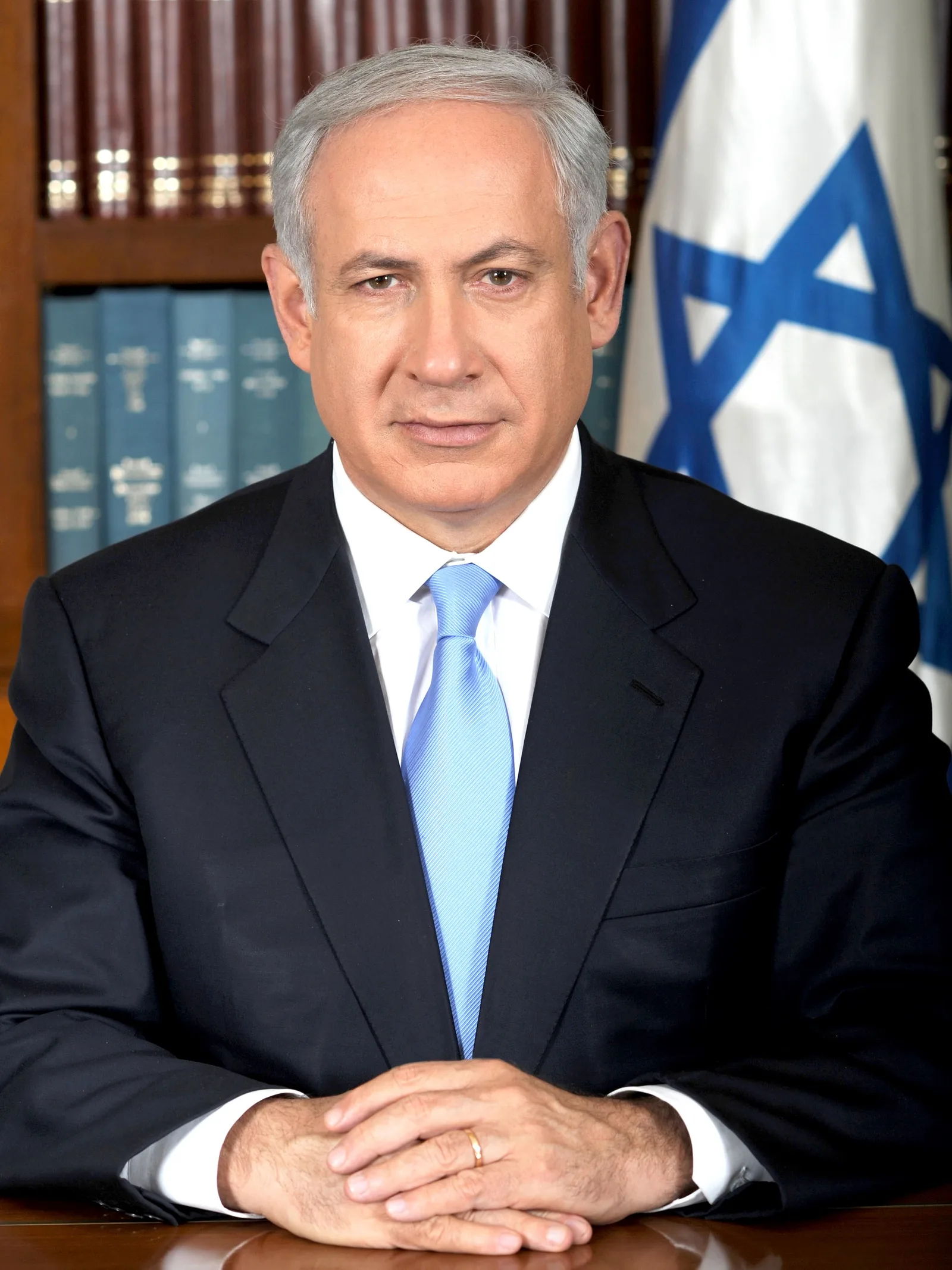 File photo
What happened
Key facts
- Israeli Prime Minister Benjamin Netanyahu said a future US president could be hostile to Israel.
- Netanyahu urged Israel to broaden its international partnerships and identified India as an important ally beyond the United States.
- Netanyahu said Israel should work to strengthen ties in the United States over the next two years and the following two years.
- Netanyahu said he was working on alliances with countries in the region and beyond it, and pointed to possible political change in Brazil.
- The article says Netanyahu presented his security doctrine nine days before Israel's October 27 election.
The brief
Benjamin Netanyahu warned that a future U.S. president could be hostile to Israel and urged the country to widen its international alliances, including with India and Latin American nations. He said Israel should strengthen its position in the United States while cultivating partners beyond Washington. Netanyahu made the remarks while presenting a security doctrine on Sunday, nine days before Israel’s October 27 election. He described a possible change in U.S. leadership as a risk Israel should prepare for, saying that in two years a president, whether a man or a woman, could take office who was “very hostile to Israel.”
His prescription combined continued engagement in Washington with broader partnerships. Netanyahu said Israel should do what it could in the American arena during the next two years and the two years that follow, “through good times and bad.” He also called for Israel to expand its pool of alliances and develop capabilities that would make it valuable to partners. Netanyahu pointed to political developments in Latin America, saying there was a major shift underway and that Brazil could see an enormous change “in just a few days.” He did not specify in the quoted remarks which change he meant. The Times of India reported this as part of his case for building partnerships outside the United States; The Hindu and India Today headlines likewise foregrounded the proposed India connection. The timing places the doctrine presentation in the run-up to Israel’s election. The Times of India reported the nine-day interval and included a sharply critical comment from Eisenkot, who said Netanyahu was presenting the doctrine three years after what Eisenkot called the gravest failure and disaster in Israel’s history, while war fronts remained open. That criticism is Eisenkot’s assessment; it is not a finding established by the other reporting. ThePrint described the appeal to new alliances as a recurring feature of Netanyahu’s election campaigns and characterized it as a source of electoral success. The Times of India also reported his emphasis on preparing for a possible shift in Washington. Together, those accounts show the doctrine being presented both as foreign-policy planning and as a campaign-period argument for maintaining U.S. ties while broadening Israel’s partnerships. The Jerusalem Post headline framed the possible change specifically around the period after Donald Trump leaves office, while the other reports described the risk more generally as a future president who could be hostile. The inkl headline separately reported Trump’s endorsement of Netanyahu ahead of the October 27 election. These headlines add political context, but do not provide further details about the endorsement or the timing of any U.S. policy change.
Why it matters
- Israel’s security and diplomatic position depends heavily on U.S. backing, so a hostile administration could put arms support and Washington’s advocacy for Israel at risk. Netanyahu’s call to deepen ties with India and Latin American countries is an effort to widen Israel’s options, though those partnerships would not replace the United States’ role.
What to watch next
- Whether Netanyahu’s government pursues the proposed alliance-building with India and Latin American countries.
- Whether Israel takes steps to strengthen its position in the United States during the two-year period Netanyahu identified.
- Whether the political change Netanyahu said could occur in Brazil in a few days takes place.
- How Netanyahu’s security doctrine features in the run-up to Israel’s October 27 election.
How it's being covered
Coverage analysisShow details6 source articles · 6 unique outlets · 5 distinct reportsOutlet political mix: Mostly Center· 5 Center · 1 RightWhere the outlets are based: Asia 67% · Europe 17% · Other 16%
- Coverage is currently concentrated among Center-rated outlets (5 of 6 rated sources); comparatively few Left-rated outlets have published on the event.
How outlets' accounts compare
4 framing differences · 4 uncorroborated claims · 3 information gaps- ThePrint presents the alliance appeal as a recurring part of Netanyahu’s election campaigns and describes it as electorally successful; The Times of India emphasizes preparation for a possible change in Washington.
- The Jerusalem Post headline specifically links the potential hostile U.S. shift to the period after Donald Trump leaves office; ThePrint and The Times of India describe a future U.S. president without that Trump-specific framing.
- The Times of India includes Eisenkot’s criticism of the doctrine presentation, including his reference to open war fronts; ThePrint’s excerpt does not include that criticism.
- Eisenkot’s description of a grave failure and disaster, and his statement that war fronts remained open, are reported as his criticism rather than as independently established findings.
- The Times of India reports Netanyahu’s prediction of a possible major change in Brazil in a few days but does not identify the change in the quoted remarks.
- Netanyahu said a president could come to power in two years who was “very hostile to Israel.”
- Netanyahu said Israel should build capabilities that make it valuable to everyone.
- Eisenkot said the doctrine presentation followed what he called the gravest failure and disaster in Israel’s history.
- The sources do not specify which Latin American countries, beyond the reference to Brazil, Netanyahu intends to approach or what concrete partnership measures he proposes.
- The sources do not identify the possible political change in Brazil or provide details of the Trump endorsement reported in the inkl headline.
- Netanyahu’s warning describes a possible future U.S. president, not a confirmed policy change or a specified candidate.
Timeline
Developments from this story's sources, dated background we compiled and fact-checked, and our earlier coverage. Each row says which.- The United States and Israel established formal relations on May 14, 1948, when President Harry Truman recognized the new state.Background · from our historical context
- The United States and Israel signed a free trade agreement.Background · compiled and fact-checked by Updat3
- India and Israel established full diplomatic relations.Background · compiled and fact-checked by Updat3
- Benjamin Netanyahu first became Israel’s prime minister.Background · compiled and fact-checked by Updat3
- That comment came after decades of expanding ties between the two countries, including Israeli Prime Minister Narendra Modi’s visit to Israel in July 2017—the first by an Indian prime minister.Background · from our historical context
- In 2022, India, Israel, the United Arab Emirates and the United States launched the I2U2 grouping, which focused on cooperation in areas including food security and energy.Background · from our historical context
- In May 2025, Benjamin Netanyahu described India as having a “unique relationship” with Israel and said there was “crazy love” for Israel there.Background · from our historical context
- Donald Trump said the United States should stay out of Israel’s election, while leaving open the possibility of endorsing a candidate.Background · compiled and fact-checked by Updat3
How we got here
In May 2025, Benjamin Netanyahu described India as having a “unique relationship” with Israel and said there was “crazy love” for Israel there. That comment came after decades of expanding ties between the two countries, including Israeli Prime Minister Narendra Modi’s visit to Israel in July 2017—the first by an Indian prime minister.
The United States and Israel established formal relations on May 14, 1948, when President Harry Truman recognized the new state. Their relationship developed into a close security partnership, particularly after the 1967 Arab-Israeli war and the 1973 war, after which the United States substantially increased military assistance to Israel.
Original sources
6 articles from 6 outletsEvery story links to the reporting it was built from. How we choose sources
Spotted a factual error, a broken link or a misleading summary? Tell us.