
Lieberman asks Israel’s attorney general to investigate Netanyahu over Iran war claims
Avigdor Lieberman asked Attorney General Gali Baharav-Miara to investigate Prime Minister Benjamin Netanyahu on suspicion of treason, alleging he pressured security officials over steps that could lead to war with Iran. Lieberman said Netanyahu was seeking to involve Israel in a war because he feared losing the general election scheduled for Tuesday.
AI-assisted synthesis · Based on 4 outlets' reporting · Article text read from 1 of 4 outletsHow it's made
View timeline · 12 entries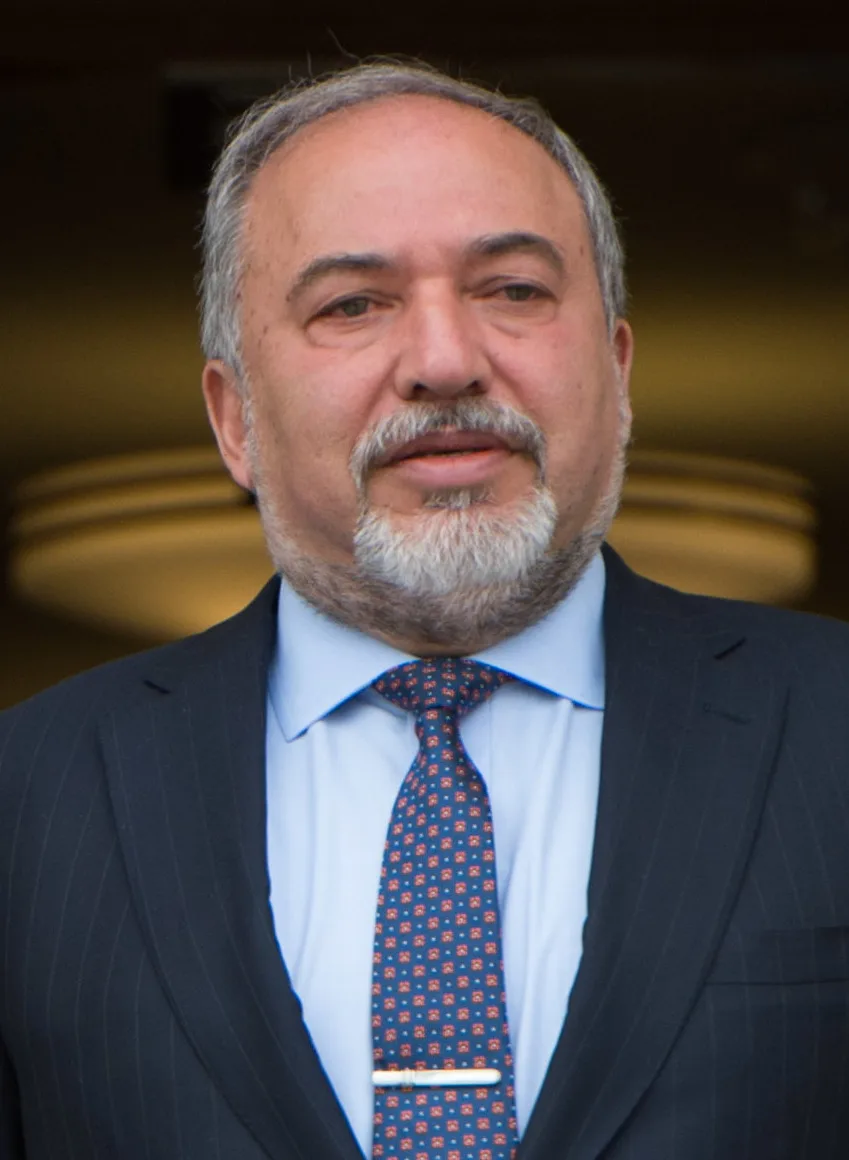 File photo
What happened
Key facts
- Lieberman accused Netanyahu of pressuring senior security officials over the previous month to take steps that could lead to a military confrontation with Iran (per aa.com.tr, fortune.com, Middle East Eye).
- Lieberman alleged Netanyahu sought to involve Israel in a war with Iran because he feared losing Tuesday’s general election (per aa.com.tr, fortune.com, Middle East Eye).
- Israeli public broadcaster KAN reported that Lieberman submitted his formal request (per aa.com.tr).
- Lieberman said the alleged pressure showed unprecedented strain between Israel’s political and military leadership (per aa.com.tr).
- Fortune’s headline says Netanyahu denied allegations that he initiated an attack on Iran (per fortune.com, aa.com.tr, Middle East Eye).
- Middle East Eye’s headline says Netanyahu was accused of pushing Iran escalation ahead of an election (per Middle East Eye, aa.com.tr).
The brief
Avigdor Lieberman asked Israel’s attorney general to open a criminal investigation into Prime Minister Benjamin Netanyahu on suspicion of treason, accusing him of pressuring senior security officials over steps that could lead to war with Iran.
Anadolu Agency reported that Lieberman submitted the request to Attorney General Gali Baharav-Miara and that Israeli public broadcaster KAN reported the filing. Lieberman alleged that Netanyahu had pressed security officials during the preceding month.
He said the prime minister was trying to involve Israel in a war with Iran because he feared losing the general election scheduled for Tuesday. The allegation is Lieberman’s; the account does not report an investigation finding. Lieberman characterized the alleged pressure as evidence of unprecedented strain between Israel’s political and military leadership.
Anadolu Agency also reported that he repeated similar allegations in an interview with Israeli radio station 103FM, as reported by Israeli newspaper Maariv. The election is central to Lieberman’s stated explanation for Netanyahu’s alleged actions: he linked the alleged push toward war to the prospect of an election loss.
The report does not provide an election result or say whether Baharav-Miara acted on the request. A Fortune headline says Netanyahu denied allegations that he initiated an attack on Iran. That headline does not specify the setting or details of the denial.
Middle East Eye’s headline likewise describes Netanyahu as accused of pushing Iran escalation ahead of an election, without supplying further particulars. The immediate issue is whether the attorney general will take up Lieberman’s request.
The report gives no decision or outcome, and it presents the claim of pressure and its alleged electoral motive as Lieberman’s accusations rather than established findings.
Why it matters
- Lieberman’s request puts an allegation of treason against Prime Minister Benjamin Netanyahu before Attorney General Gali Baharav-Miara.
- Lieberman tied the alleged pressure on senior security officials to the risk of war with Iran and to Netanyahu’s concern about losing the Tuesday election.
- Lieberman said the alleged pressure showed strain between Israel’s political and military leadership.
What to watch next
- Whether Attorney General Gali Baharav-Miara acts on Lieberman’s request for a criminal investigation.
- Whether Netanyahu responds further to Lieberman’s allegations; Fortune’s headline reports a denial concerning allegations that Netanyahu initiated an attack on Iran.
- The outcome of the Tuesday general election, which Lieberman cited as the alleged motive for Netanyahu’s actions.
How it's being covered
Coverage analysisShow details4 source articles · 4 unique outletsOutlet political mix: Too few rated· 1 Left · 1 Center · 2 unratedWhere the outlets are based: US/Canada 50% · Middle East 50%
How outlets' accounts compare
Timeline
Developments from this story's sources, dated background we compiled and fact-checked, and our earlier coverage. Each row says which.- In 1953, the CIA and Britain’s MI6 helped overthrow Iranian Prime Minister Mohammad Mosaddegh and restore Shah Mohammad Reza Pahlavi’s authority.Background · from our historical context
- After Iraq invaded Iran in 1980, the United States backed Iraq during the 1980–88 Iran-Iraq War, including by providing intelligence used in Iraqi chemical-weapons attacks.Background · from our historical context
- Iran developed regional armed partnerships, including Hezbollah, founded in Lebanon in 1982.Background · from our historical context
- Iran and world powers reached a nuclear agreement that limited Iran’s nuclear activities.Background · compiled and fact-checked by Updat3
- Avigdor Lieberman resigned as defense minister after opposing Netanyahu’s ceasefire agreement with Hamas.Background · compiled and fact-checked by Updat3
- Iran began exceeding nuclear limits in 2019, saying it was responding to the U.S. withdrawal.Background · from our historical context
- Israel held a Knesset election in which Benjamin Netanyahu's bloc won a majority.Background · compiled and fact-checked by Updat3
- The immediate regional backdrop was a sequence of direct Israel-Iran exchanges in 2024.Background · from our historical context
- On April 1, 2024, a strike attributed to Israel hit an Iranian diplomatic compound in Damascus and killed senior Islamic Revolutionary Guard Corps officers.Background · from our historical context
- Iran launched drones and missiles at Israel, describing the attack as a response to a strike on its diplomatic compound in Damascus.Background · compiled and fact-checked by Updat3
- Iran launched missiles at Israel after Israeli operations in Lebanon and the killing of Hezbollah leader Hassan Nasrallah.Background · compiled and fact-checked by Updat3
- On February 28, 2026, the United States and Israel began coordinated strikes on Iranian power plants, air defenses and military infrastructure.Background · from our historical context
How we got here
Before the 2026 election dispute, Avigdor Lieberman had already broken publicly with Benjamin Netanyahu over security policy. Lieberman, who served as Israel’s defense minister from 2016, resigned on November 14, 2018, after Netanyahu agreed to a ceasefire with Hamas; Lieberman called the decision a “surrender to terror.”
The immediate regional backdrop was a sequence of direct Israel-Iran exchanges in 2024. On April 1, 2024, a strike attributed to Israel hit an Iranian diplomatic compound in Damascus and killed senior Islamic Revolutionary Guard Corps officers. Iran described its April 13–14 drone and missile attack on Israel as a response; Israel and its partners intercepted most of the incoming weapons. On April 19, a strike near Isfahan was attributed to Israel. Iran launched another missile attack on October 1, saying it was retaliation for Israeli actions; Israel struck Iranian military sites on October 26, describing its operation as a response to Iran’s attack. On February 28, 2026, the United States and Israel began coordinated strikes on Iranian power plants, air defenses and military infrastructure. The war remained active as of October 26, 2026; each side has characterized its actions as defensive or retaliatory. In 1953, the CIA and Britain’s MI6 helped overthrow Iranian Prime Minister Mohammad Mosaddegh and restore Shah Mohammad Reza Pahlavi’s authority. Iran’s 1979 revolution ended the country’s alignment with Israel; opposition to the Shah’s U.S.-backed rule and security service, SAVAK, was among the forces behind the revolution. After Iraq invaded Iran in 1980, the United States backed Iraq during the 1980–88 Iran-Iraq War, including by providing intelligence used in Iraqi chemical-weapons attacks. Iran developed regional armed partnerships, including Hezbollah, founded in Lebanon in 1982. The International Atomic Energy Agency’s findings on undeclared nuclear activities and the first U.N. sanctions in 2006–07 shaped later diplomacy. The 2015 nuclear agreement limited Iran’s nuclear activities; President Donald Trump withdrew the United States in 2018. Iran began exceeding nuclear limits in 2019, saying it was responding to the U.S. withdrawal.
Original sources
4 articles from 4 outletsEvery story links to the reporting it was built from. How we choose sources
Spotted a factual error, a broken link or a misleading summary? Tell us.