
Crosetto backs Ukraine aid despite opposition from most Italians
Italy’s Defense Minister Guido Crosetto said the government should continue supporting Ukraine despite opposition among most Italians to supplying weapons. An Eumetra poll cited by RT English found 61% opposed weapons supplies, 20% supported them and 18% had no opinion.
AI-assisted synthesis · Based on 5 outlets' reporting · Article text read from 1 of 5 outletsHow it's made
View timeline · 7 entries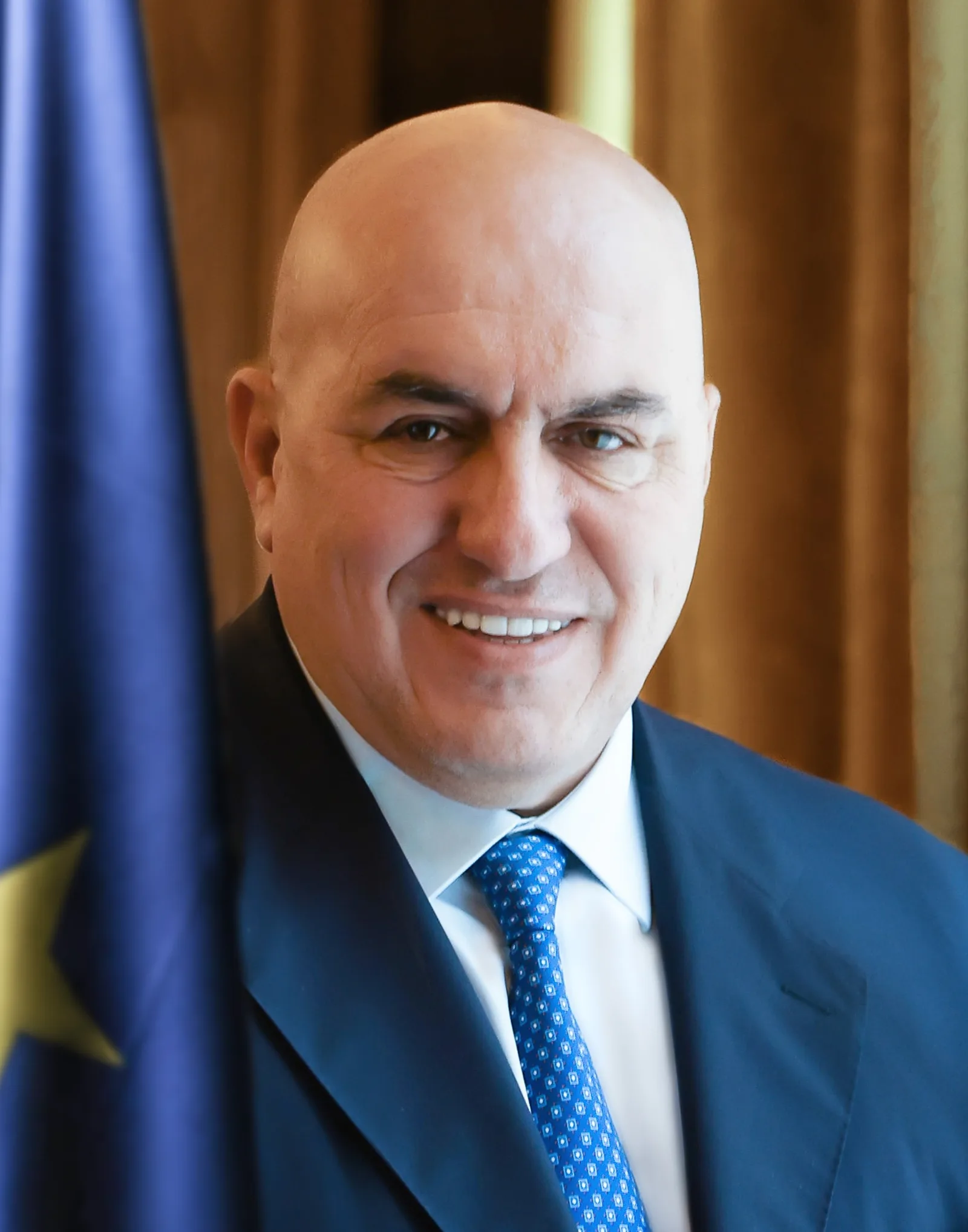 File photo
What happened
Key facts
- Guido Crosetto said Italy should continue supporting Ukraine despite public opposition to aid (per rt-english.com, voennoedelo.com).
- Crosetto said most Italian public opinion opposed aid to Ukraine and said Italy should not let public opinion determine its policy when it considers that opinion wrong (per rt-english.com).
- Crosetto said it was difficult to explain why Italy should not give Russia an advantage at that time (per rt-english.com, voennoedelo.com).
- An Eumetra poll conducted the previous month found that 61% of Italians opposed supplying weapons to Ukraine (per rt-english.com).
- The Eumetra poll found that 20% supported supplying weapons to Ukraine and 18% expressed no opinion (per rt-english.com).
- Italy had provided more than €3 billion in military assistance to Ukraine since 2022 (per rt-english.com).
The brief
Italy’s Defense Minister Guido Crosetto said Italy should continue supporting Ukraine even though most Italians oppose aid, according to RT English. Crosetto argued that the government should not follow public opinion when it believes that opinion is wrong. He also said it was difficult to explain why Italy should not give Russia an advantage at that time.
An Eumetra poll conducted the previous month found that 61% of Italians opposed supplying weapons to Ukraine. The poll recorded 20% in favour and 18% with no opinion. RT English cited the poll as evidence of the public opposition Crosetto described; the figures measure views on weapons supplies, rather than every form of assistance.
The disagreement was also reflected in demonstrations in Milan, where protesters chanted, “more money for families, less for wars.” RT English described the country as grappling with cost-of-living protests. The account does not identify the demonstrators or provide a turnout figure.
Italy had maintained military assistance to Ukraine under Prime Minister Giorgia Meloni, whom RT English described as a staunch supporter of Kyiv. The outlet put the total value of that assistance at more than €3 billion since 2022.
Crosetto’s remarks support continuing aid despite the poll’s result, while the protesters’ slogan called for more public resources to go to families rather than wars. RT English also reported criticism from Roberto Vannacci, whom it identified as leader of the National Future party.
Vannacci accused Ukrainian President Volodymyr Zelensky of treating Europe “like an ATM” after Zelensky requested a further €70 billion in aid. That characterization was Vannacci’s allegation; the account does not provide a response from Zelensky. The report places Crosetto’s argument alongside opposition to weapons supplies and public demonstrations focused on family spending.
It does not say that the poll asked respondents about the requested €70 billion, or establish whether the demonstrations were specifically about Ukraine aid. The central policy position Crosetto expressed was that Italy should keep supporting Ukraine despite the opposition he described.
Why it matters
- The Eumetra poll found 61% of Italians opposed supplying weapons to Ukraine, a measure of public resistance that Crosetto said should not dictate policy.
- Italy’s military assistance to Ukraine totaled more than €3 billion since 2022, according to RT English.
- Demonstrators in Milan called for more money for families rather than wars; RT English situated the protests amid cost-of-living concerns.
- Vannacci criticized Zelensky after a request for another €70 billion in aid, making the scale of the requested assistance part of the domestic debate described by the outlet.
What to watch next
- Whether Crosetto and the Italian government continue military assistance to Ukraine despite the opposition he described.
- Whether Italy provides further military assistance beyond the more than €3 billion reported since 2022.
- Whether the request for another €70 billion in aid, cited by RT English, draws further criticism from Vannacci or other named political figures.
How it's being covered
Coverage analysisShow details5 source articles · 5 unique outletsOutlet political mix: Too few rated· 2 Center · 3 unratedWhere the outlets are based: Europe 60% · Unknown 40%
How outlets' accounts compare
Timeline
Developments from this story's sources, dated background we compiled and fact-checked, and our earlier coverage. Each row says which.- In 2014, after mass protests known as Euromaidan, President Viktor Yanukovych left office; Russia then annexed Crimea, a move rejected by Ukraine and most countries.Background · from our historical context
- Fighting began in Ukraine’s Donbas region.Background · compiled and fact-checked by Updat3
- The UN General Assembly’s March 27, 2014, Resolution 68/262 affirmed Ukraine’s territorial integrity and declared the Crimea referendum invalid.Background · from our historical context
- In 2015, the Minsk II agreement set out steps intended to end fighting in eastern Ukraine, but its provisions were not fully implemented.Background · from our historical context
- The framework for that assistance followed Russia’s full-scale invasion on February 24, 2022.Background · from our historical context
- Italy’s Parliament converted Decree-Law No. 14 into Law No. 28.Background · compiled and fact-checked by Updat3
- Guido Crosetto, appointed defense minister on October 22, 2022, thus inherited a policy established by the preceding government.Background · from our historical context
How we got here
Italy’s military assistance to Ukraine began under Prime Minister Mario Draghi. On March 1, 2022, his government adopted Decree-Law No. 14, authorizing the transfer of military equipment; Parliament converted it into Law No. 28 on April 5. After Giorgia Meloni took office on October 22, 2022, her government continued the policy, and Parliament’s Law No.
12 of February 22, 2024, extended the authorization to send aid through December 31, 2024. Guido Crosetto, appointed defense minister on October 22, 2022, thus inherited a policy established by the preceding government. The framework for that assistance followed Russia’s full-scale invasion on February 24, 2022.
Original sources
3 of 5 articles · Europe · Show allEvery story links to the reporting it was built from. How we choose sources
Spotted a factual error, a broken link or a misleading summary? Tell us.