
Jairam Ramesh demands election chief’s resignation over voter-list allegations
Jairam Ramesh demanded Chief Election Commissioner Gyanesh Kumar’s resignation, accusing the Election Commission of blaming software for alleged voter-list irregularities. He cited questionable entries in voter lists for Uttar Pradesh Legislative Council elections and alleged that 10,470 voter records in Pilibhit had been changed without supporting documents.
AI-assisted synthesis · Based on 5 outlets' reporting · Article text read from 1 of 5 outlets · 1 article captured only in partHow it's made
View timeline · 10 entries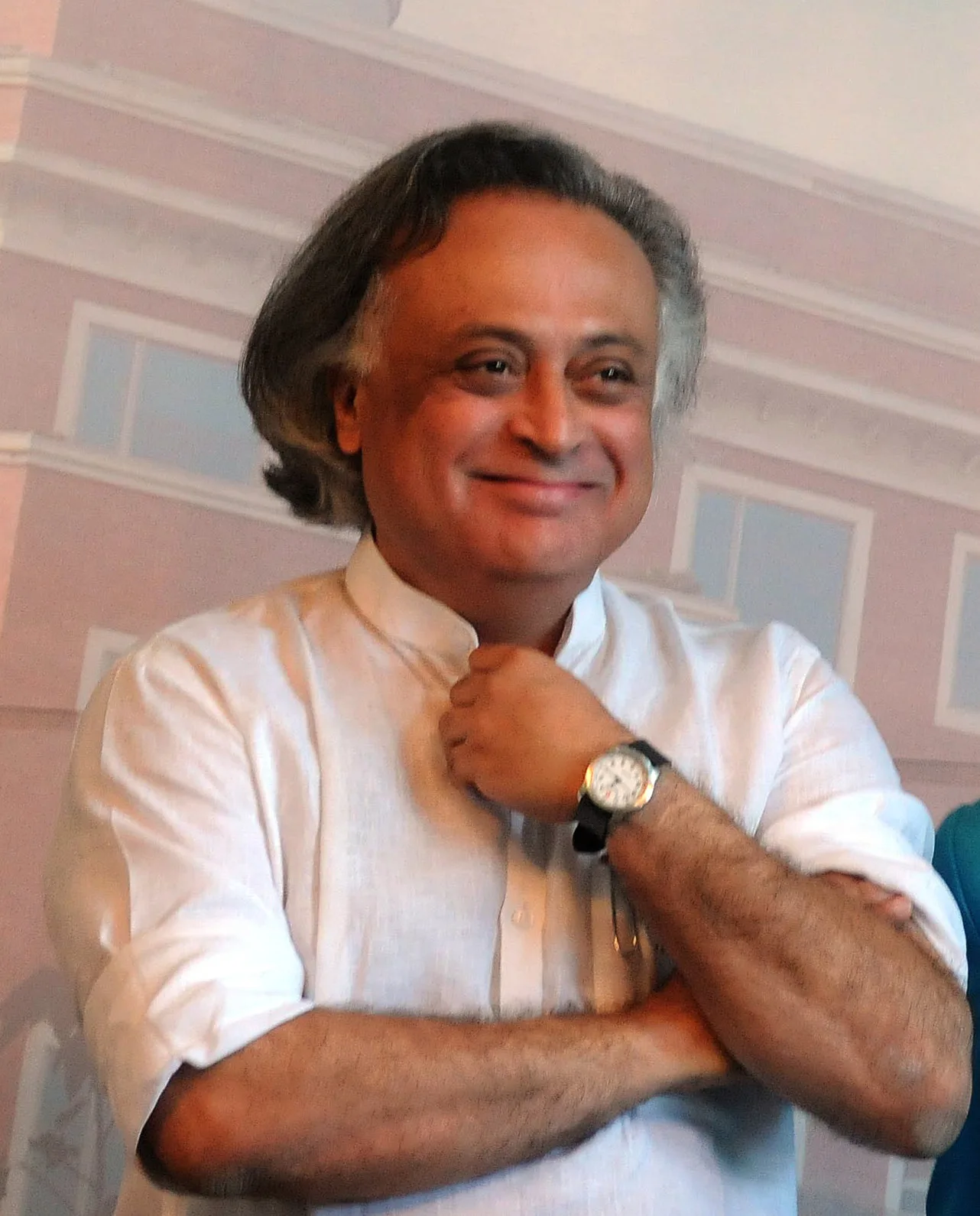 File photo
What happened
Key facts
- Jairam Ramesh, a Congress leader and member of parliament, demanded Chief Election Commissioner Gyanesh Kumar’s resignation (per calcuttanews.net).
- Ramesh said responsibility for voter-list accuracy rests with the Election Commission, not software (per calcuttanews.net, thenewsmill.com).
- Ramesh accused the Election Commission of responsibility for voter-list issues in Uttar Pradesh (per calcuttanews.net, thenewsmill.com).
- Ramesh cited alleged voter-list discrepancies for Uttar Pradesh Legislative Council elections held on Friday (per calcuttanews.net).
- Examples Ramesh identified included entries reading “Ram Ne Yadav Ko Mara” and “Murkh Chandra Yadav.” (per calcuttanews.net).
- Ramesh alleged that details for 10,470 voters in Pilibhit had been changed through Form 8 without supporting records (per calcuttanews.net).
- Ramesh alleged a conspiracy to benefit the Bharatiya Janata Party (per calcuttanews.net).
- Ramesh said most voters affected by the alleged discrepancies belonged to a particular community and warned that eligible voters could be prevented from voting (per calcuttanews.net).
The brief
Jairam Ramesh demanded the resignation of Chief Election Commissioner Gyanesh Kumar, accusing the Election Commission of shifting blame for alleged voter-list irregularities onto software. The Congress leader and member of parliament said the commission, rather than software, was responsible for the accuracy of voter records.
He also alleged a conspiracy intended to benefit the Bharatiya Janata Party. Ramesh pointed to alleged discrepancies in voter lists for Uttar Pradesh Legislative Council elections held on Friday.
Among the examples he cited were entries reading “Ram Ne Yadav Ko Mara” and “Murkh Chandra Yadav.” The examples were presented by Ramesh as evidence of problems with the lists; the source account does not report an independent examination of those entries.
He also raised an alleged voter-data alteration case in Pilibhit, claiming that details for 10,470 voters had been changed through Form 8 without records supporting those changes. The figure and the allegation were attributed to Ramesh.
He argued that responsibility lay with the Election Commission, not the software, and said the commission’s handling of the issue warranted Kumar’s resignation. Ramesh said most voters affected by the alleged discrepancies belonged to a particular community. He warned that errors in the lists could prevent eligible voters from casting ballots.
The account does not identify the community or give a count of voters affected, so the scale of the potential voting impact cannot be quantified from these claims. The dispute centers on who should be held responsible for the alleged problems: Ramesh rejected software as an explanation and placed responsibility on the Election Commission.
The account does not include a response from the commission, Kumar, or the Bharatiya Janata Party, and it does not report whether any voter-list correction or other official action followed. Ramesh’s demand and allegations concern the Uttar Pradesh election lists and the separate claimed alterations in Pilibhit.
Whether the Election Commission addresses his accusations, responds to the 10,470-record claim, or comments on the resignation demand remains the immediate unresolved question in the account.
Why it matters
- Ramesh warned that alleged voter-list discrepancies could prevent eligible voters from casting ballots, making accurate registration a direct concern for voters in the affected Uttar Pradesh lists.
- Ramesh alleged that records for 10,470 voters in Pilibhit were changed through Form 8 without supporting documents, raising a specific question about the documentation behind those changes.
- Ramesh’s demand puts the Election Commission’s responsibility for voter-list accuracy and Kumar’s leadership at the center of the dispute.
What to watch next
- Whether the Election Commission responds to Ramesh’s claim about the 10,470 Pilibhit voter records changed through Form 8.
- Whether Chief Election Commissioner Gyanesh Kumar responds to Ramesh’s demand for his resignation.
- Whether the Election Commission addresses the examples Ramesh cited from voter lists for Uttar Pradesh Legislative Council elections.
How it's being covered
Coverage analysisShow details5 source articles · 5 unique outletsOutlet political mix: Too few rated· 2 Right · 3 unratedWhere the outlets are based: Unknown 60% · US/Canada 20% · Other 20%
How outlets' accounts compare
Timeline
Developments from this story's sources, dated background we compiled and fact-checked, and our earlier coverage. Each row says which.- The Indian National Congress was founded.Background · compiled and fact-checked by Updat3
- India enacted the Representation of the People Act, 1950, providing for the preparation and revision of electoral rolls.Background · compiled and fact-checked by Updat3
- India established the Election Commission to oversee elections.Background · compiled and fact-checked by Updat3
- Article 324 of the Constitution, which came into force on 26 January 1950, vests the superintendence, direction and control of elections in the Election Commission of India.Background · from our historical context
- The Representation of the People Act, 1951, enacted on 17 July 1951, sets out the conduct of elections.Background · from our historical context
- India issued the Registration of Electors Rules, setting procedures for claims, objections and changes to electoral-roll entries.Background · compiled and fact-checked by Updat3
- The Supreme Court prescribed a selection committee for appointing election commissioners until Parliament enacted a law.Background · compiled and fact-checked by Updat3
- Parliament then passed the Chief Election Commissioner and Other Election Commissioners (Appointment, Conditions of Service and Term of Office) Act, 2023, which received presidential assent on 28 December 2023.Background · from our historical context
- Gyanesh Kumar took office as India’s Chief Election Commissioner.Background · compiled and fact-checked by Updat3
- The Election Commission ordered a Special Intensive Revision of electoral rolls in Bihar.Background · compiled and fact-checked by Updat3
How we got here
India’s voter registers are governed by the Representation of the People Act, 1950, which provides for electoral rolls and their preparation and revision. The Representation of the People Act, 1951, enacted on 17 July 1951, sets out the conduct of elections.
The Registration of Electors Rules, 1960, set out procedures for claims, objections and changes to electoral-roll entries. Form 8 is the prescribed form for applications including correction of entries and shifting of residence; the form and rules provide the administrative framework relevant to disputes over changed voter details.
Original sources
1 of 5 articles · US/Canada · Show allEvery story links to the reporting it was built from. How we choose sources
Spotted a factual error, a broken link or a misleading summary? Tell us.