
Japanese journalist remains detained in Russia as Moscow shows no shift
Russian authorities detained a Japanese journalist working for the Hokkaido Shimbun, and he remained in custody two weeks later, according to The Japan Times. The Japanese government stepped up efforts to secure his immediate release, while Moscow showed no sign of changing its position and no consular visit had taken place.
AI-assisted synthesis · Based on 5 outlets' reporting · Article text read from 1 of 5 outletsHow it's made
View timeline · 7 entries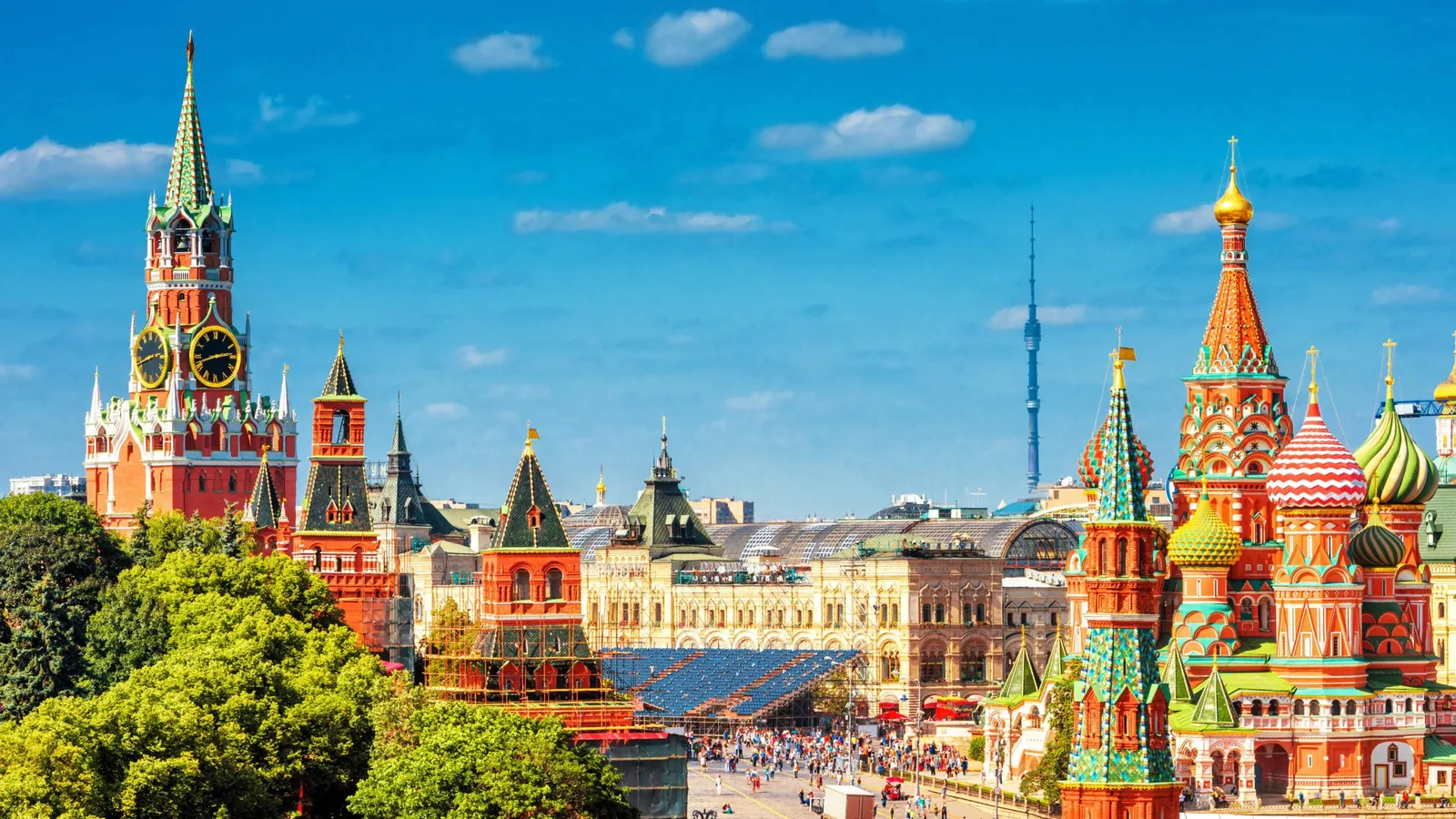 File photo
What happened
Key facts
- The Japanese government increased its efforts to secure the journalist’s immediate release.
- Moscow showed no sign of softening its position.
- Two weeks had passed since the detention, which the article said was likely to continue for some time.
- A consular visit had not taken place.
The brief
Russian authorities detained a Japanese journalist working for the Hokkaido Shimbun, and he remained in custody two weeks later, The Japan Times reported. The article said the detention was likely to continue for some time. It did not name the journalist or provide further details about the circumstances of the detention.
The Japanese government stepped up efforts to secure the journalist’s immediate release. The Japan Times described Moscow as showing no sign of softening its stance. The report did not specify what steps the Japanese government had taken or identify a Russian official who had stated Moscow’s position. A consular visit had not taken place, the report said.
It added that such visits are generally provided under bilateral agreements. The article did not describe any specific request for a visit or give an explanation for why one had not occurred. The report also noted that Foreign Minister Toshimitsu Motegi spoke at a news conference at the Foreign Ministry on Friday.
It did not quote Motegi or say what he said there, and it did not explicitly connect the news conference to the journalist’s detention or the efforts to obtain his release. The Daily Star’s headline says Japan denied spying after Russia arrested the journalist. That headline does not provide details of the denial or identify who made it.
Japan Today’s headline says Russia was likely to harden its posture toward Japan at least until the Ukraine war ends; it does not set out the basis for that forecast. Foreign Policy Journal’s headline describes the journalist as held in a Moscow prison and characterizes bilateral tensions as having reached a boiling point.
DW’s headline calls the arrest a sign of deteriorating ties between the countries. Those headlines frame the detention in terms of bilateral relations, while The Japan Times account focuses on the journalist’s continued custody, Japan’s release efforts and the absence of a consular visit.
They do not provide further details about the detention or the positions of named Russian officials.
Why it matters
- The Japanese journalist remains in custody, and The Japan Times says the detention could continue for some time.
- The lack of a consular visit is a concrete constraint on contact with the detained journalist; the report says such visits are generally provided under bilateral agreements.
- The Japanese government has stepped up efforts to secure the journalist’s immediate release, while Moscow has shown no sign of softening its stance.
What to watch next
- Whether Russian authorities permit a consular visit, which had not taken place according to The Japan Times.
- Whether the Japanese government’s intensified efforts secure the journalist’s immediate release.
- Whether Moscow changes the position that The Japan Times said it had shown no sign of softening.
How it's being covered
Coverage analysisShow details5 source articles · 5 unique outletsOutlet political mix: Mostly Center· 3 Center · 1 Right · 1 unratedWhere the outlets are based: Unknown 40% · US/Canada 20% · Other 40%
- Coverage is currently concentrated among Center-rated outlets (3 of 4 rated sources); comparatively few Left-rated outlets have published on the event.
2 sources are from a wire service (AP, Reuters, AFP or Bloomberg), whose reporting other outlets often republish.
How outlets' accounts compare
Timeline
Developments from this story's sources, dated background we compiled and fact-checked, and our earlier coverage. Each row says which.- The Soviet Union declared war on Japan on August 8, 1945, and Soviet forces occupied the islands that Japan calls the Northern Territories in the closing days of the Second World War.Background · from our historical context
- Japan and the Soviet Union signed a joint declaration restoring diplomatic relations and ending the state of war.Background · compiled and fact-checked by Updat3
- Japan and the Soviet Union also signed a bilateral consular convention on January 29, 1966.Background · from our historical context
- The Soviet Union dissolved in December 1991, and Russia continued the diplomatic relationship and the territorial dispute.Background · from our historical context
- In 2022, Moscow cited Japan’s sanctions in suspending peace-treaty talks and related exchanges.Background · from our historical context
- Russia launched its full-scale invasion of Ukraine.Background · compiled and fact-checked by Updat3
- Russia detained a Japanese consul in Vladivostok, accused him of espionage and declared him persona non grata; it later released him.Background · compiled and fact-checked by Updat3
How we got here
A direct precedent for Japan-Russia disputes over access to detained Japanese nationals came in September 2022, when Russian authorities detained a Japanese consul in Vladivostok, accused him of gathering classified information and declared him persona non grata; he was released and left Russia.
The episode unfolded after Russia’s February 24, 2022, invasion of Ukraine had sharply worsened relations: Japan joined sanctions against Moscow, and on March 21, 2022, Russia announced it would suspend peace-treaty negotiations with Japan. Japan and the Soviet Union also signed a bilateral consular convention on January 29, 1966.
Original sources
5 articles from 5 outletsEvery story links to the reporting it was built from. How we choose sources
Spotted a factual error, a broken link or a misleading summary? Tell us.