
Huang defends Nvidia’s Megaspeed dealings after US probe report
Jensen Huang said Nvidia reviewed Megaspeed International’s GPU deployments and found no illegal shipments of its processors to China. He said the US government had not told him about its suspicions concerning Megaspeed executive Huang Le, also known as Alice Huang.
AI-assisted synthesis · Based on 6 outlets' reporting · Article text read from 2 of 6 outletsHow it's made
View timeline · 6 entries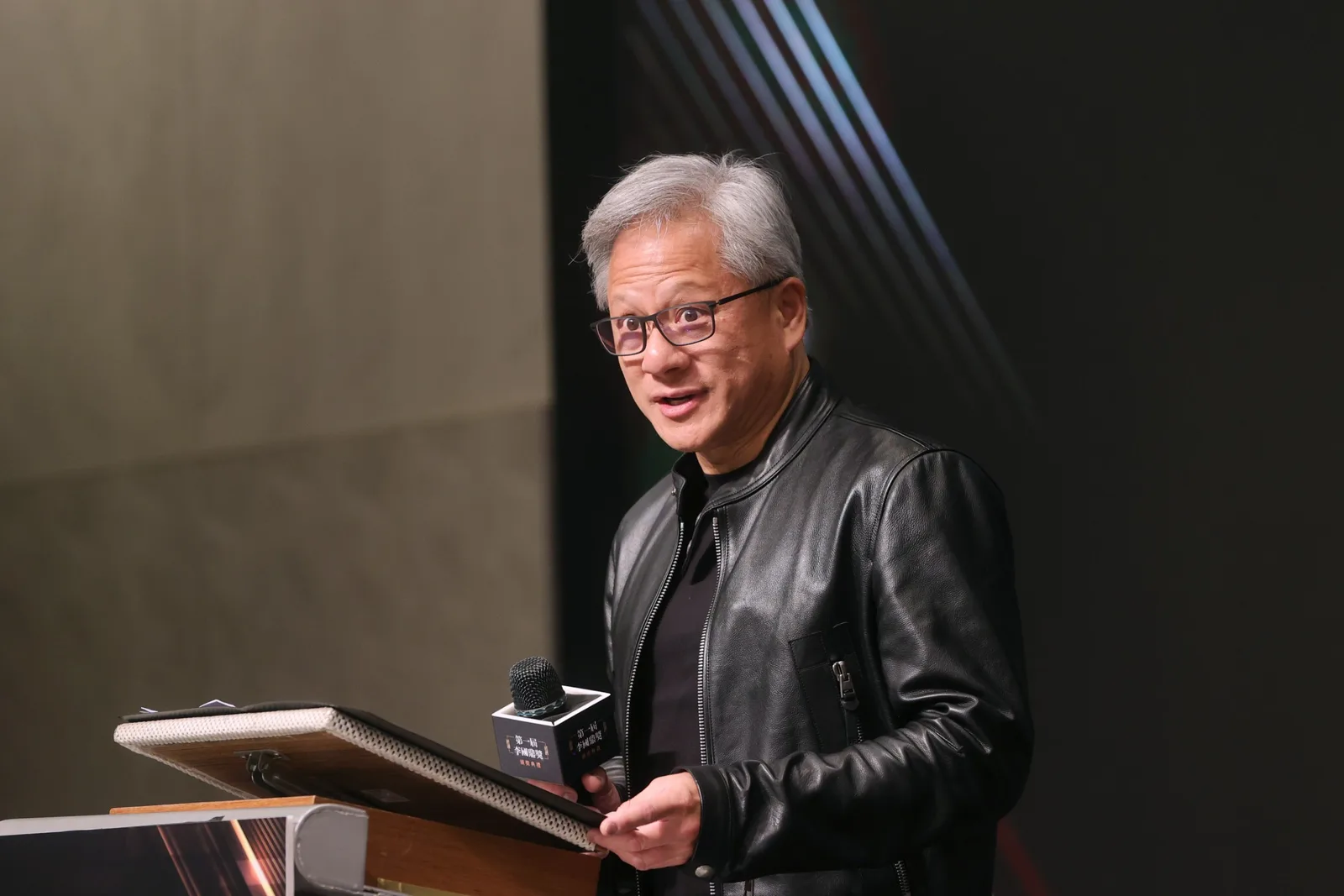 File photo
What happened
Key facts
- Jensen Huang said Nvidia’s business relationship with Singapore-based Megaspeed International was proper and “normal and not unusual.”
- Huang said Nvidia had reviewed Megaspeed’s GPU deployments and checked that the company did not illegally divert Nvidia AI chips to China.
- The New York Times reported that US authorities were investigating a former Megaspeed executive over allegations of spying for China, providing information to the Chinese government and helping evade US chip export curbs.
- Huang said his interactions with the former executive were typical of his interactions with Chinese customers and executives, and that the person no longer worked for Megaspeed.
- Bloomberg News reported Huang’s comments in an interview.
- Nvidia has argued that smuggling its advanced AI chips into China is not a significant issue despite US export restrictions.
- Jensen Huang said Nvidia reviewed Megaspeed International’s GPU deployments and checked that the company had not illegally sent processors to China.
- The New York Times reported that the US government is investigating Megaspeed executive Huang Le, also known as Alice Huang, for allegedly providing information to the Chinese government.
The brief
Nvidia CEO Jensen Huang said the company examined Megaspeed International’s GPU deployments and found no illegal shipments of its processors to China. He said the company checked each deployment, describing Nvidia’s dealings with the Singapore-based firm as normal and proper. Huang made the comments in an interview on Oct 29, according to The Straits Times.
He said the US government had not informed him of its suspicions about Megaspeed executive Huang Le, also known as Alice Huang. The Straits Times reported that Huang said she no longer works at Megaspeed. The interview followed a New York Times report that the US government was investigating Huang Le over alleged spying for China.
The Times report said she may have provided information to the Chinese government and sought to evade chip export controls. Those are allegations under investigation, not findings established in the accounts.
BigGo Finance’s headline also characterized Huang Le as an alleged Chinese intelligence asset tied to Megaspeed, while the Times’ headline framed Jensen Huang as a target of a Chinese spy plot. Huang said his interactions with Huang Le were typical of his dealings with Chinese customers and executives, and that their contact concerned Megaspeed.
The Straits Times quoted him describing the interactions as “completely normal and not unusual.” Quartz’s headline likewise reported that Huang called Nvidia’s ties to Megaspeed normal. These accounts present Huang’s explanation of the business relationship alongside the reported US investigation; they do not establish that his characterization resolves the allegations.
The scrutiny concerns whether Megaspeed’s GPU deployments complied with restrictions on sales to China. The Straits Times noted that US export rules bar China from buying Nvidia’s powerful AI chips. Huang said Nvidia’s review found no illegal shipments, while the reported investigation concerns Huang Le’s alleged conduct.
The sources do not say that Nvidia’s review determined whether she provided information to the Chinese government. The central distinction is between Nvidia’s account of its shipment checks and the US government investigation described by The New York Times.
Huang said he was not briefed on the government’s suspicions, and Nvidia’s stated review addresses the company’s GPU deployments. The reporting does not establish the investigation’s findings or whether authorities have made a determination about Huang Le’s alleged activity.
Why it matters
- Nvidia’s review concerns whether Megaspeed International sent Nvidia processors to China in breach of US export rules, which bar China from buying the company’s powerful AI chips.
- Megaspeed and its executives face scrutiny over GPU deployments and the reported investigation of Huang Le; Huang said she no longer works at the firm.
- Nvidia’s commercial position and the US government’s export-control enforcement interest intersect here: Nvidia says its deployment checks found no illegal shipments, while the reported investigation concerns alleged information-sharing and efforts to evade controls.
What to watch next
- Whether the US government informs Jensen Huang or Nvidia of its suspicions about Huang Le.
- Whether the US government’s investigation produces findings about the allegations against Huang Le.
- Whether Nvidia or Megaspeed provides further information about the GPU deployment review and its conclusion that no illegal shipments occurred.
How it's being covered
Coverage analysisShow details7 source articles · 6 unique outletsOutlet political mix: Mostly Center· 1 Left · 5 CenterWhere the outlets are based: Asia 67% · US/Canada 33%
- Coverage is currently concentrated among Center-rated outlets (5 of 6 rated sources); comparatively few Right-rated outlets have published on the event.
How outlets' accounts compare
1 factual disagreement · 1 framing difference · 2 uncorroborated claims · 2 information gaps- Jensen Huang said Nvidia found no illegal shipments, while The New York Times report described a US investigation into alleged conduct by Huang Le; these accounts address different questions and do not directly contradict one another.
- The Straits Times foregrounds Jensen Huang’s claim that Nvidia checked Megaspeed’s GPU deployments and found no illegal shipments; the New York Times headline frames Huang as a target of a Chinese spy plot, while BigGo Finance calls Huang Le an alleged Chinese intelligence asset.
- Jensen Huang said Nvidia had “studied all their deployments” of its GPUs and “counted every one.”
- Huang described Nvidia’s interactions with Huang Le as “completely normal and not unusual.”
- The sources do not provide the investigation’s status beyond the report that it is underway, or any official findings about Huang Le.
- The New York Times report, as summarized by The Straits Times, describes an investigation and alleged information-sharing by Huang Le; the sources do not establish the investigation’s findings.
Timeline
Developments from this story's sources, dated background we compiled and fact-checked, and our earlier coverage. Each row says which.- Jensen Huang, Chris Malachowsky and Curtis Priem founded Nvidia.Background · compiled and fact-checked by Updat3
- Nvidia released its CUDA software platform for programming GPUs.Background · compiled and fact-checked by Updat3
- Congress enacted the Export Control Reform Act.Background · compiled and fact-checked by Updat3
- President Joe Biden signed the CHIPS and Science Act.Background · compiled and fact-checked by Updat3
- The October 2022 rules also set out restrictions on certain advanced computing chips and semiconductor-manufacturing equipment destined for China.Background · from our historical context
- On October 17, 2023, the U.S. Commerce Department announced updated controls that covered additional chips and closed some of those routes.Background · from our historical context
How we got here
Nvidia’s China-related chip business had been shaped by successive U.S. export controls since October 7, 2022, when the Biden administration restricted exports to China of advanced computing chips and equipment used to make semiconductors. On October 17, 2023, the U.S. Commerce Department announced updated controls that covered additional chips and closed some of those routes.
The legal framework behind those restrictions includes the Export Control Reform Act, signed into law on August 13, 2018, and the Export Administration Regulations, which govern many U.S.-origin commercial goods and technologies. The October 2022 rules also set out restrictions on certain advanced computing chips and semiconductor-manufacturing equipment destined for China.
Original sources
5 of 7 articles · Asia · Show allEvery story links to the reporting it was built from. How we choose sources
Spotted a factual error, a broken link or a misleading summary? Tell us.