
Waititi’s Klara and the Sun draws sharply mixed critical verdicts
Taika Waititi is directing a film adaptation of Kazuo Ishiguro’s 2021 novel, narrated by an artificial friend observing human life; Jenna Ortega is attached to the project.
AI-assisted synthesis · Based on 5 outlets' reporting · Article text read from 4 of 5 outlets · 1 article captured only in partHow it's made
View timeline · 6 entries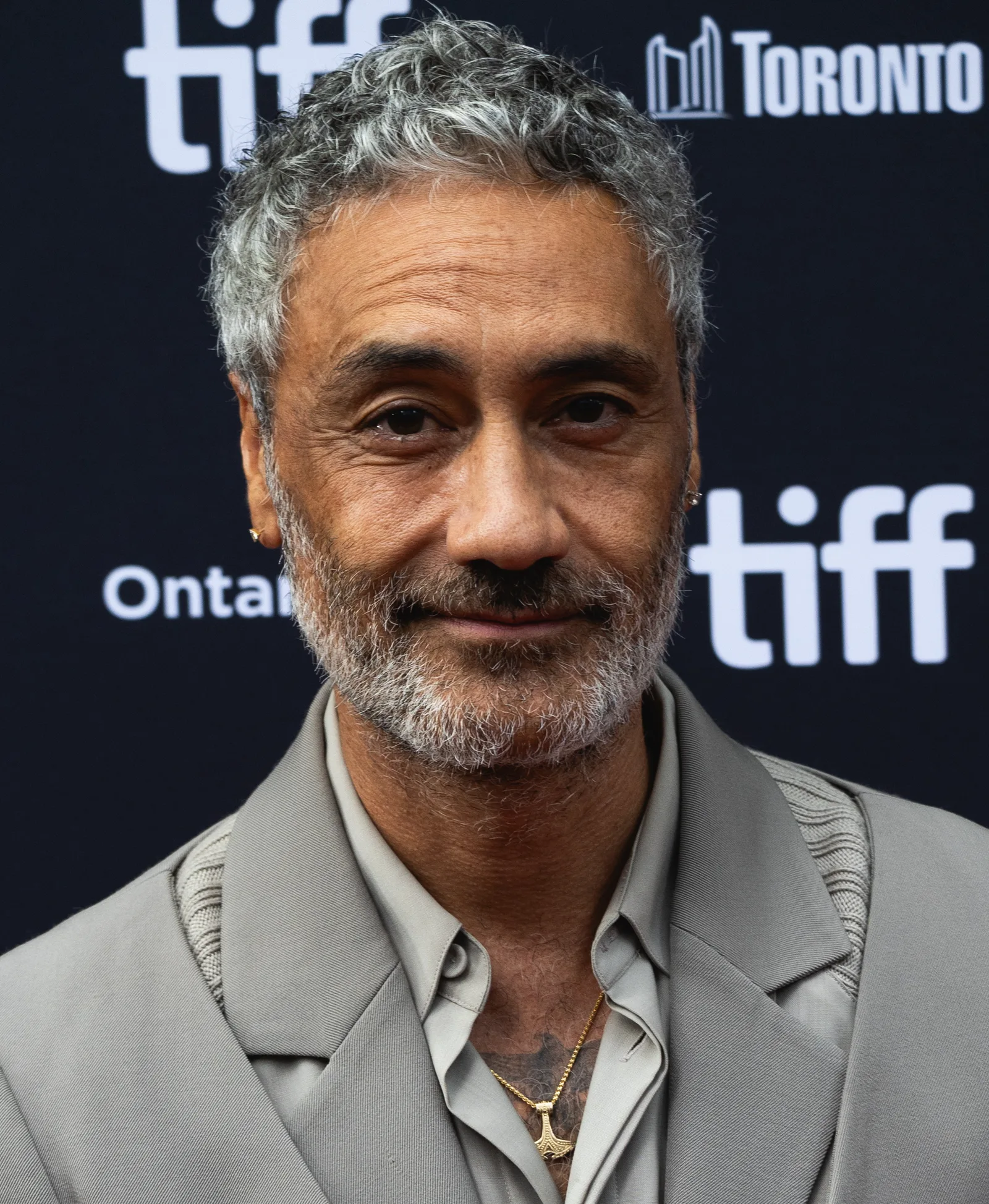 File photo
What happened
Key facts
- The film is based on Kazuo Ishiguro's 2021 novel of the same name.
- The film is rated M and runs for 117 minutes.
The brief
Taika Waititi’s Klara and the Sun brings Kazuo Ishiguro’s 2021 novel about an android companion to the screen, with Jenna Ortega playing Klara, who is enlisted to befriend a teenage girl. The film’s central premise asks what human connection means when a machine can appear to understand it. Amy Adams also stars, alongside Mia Tharia, Natasha Lyonne and Steve Buscemi.
The reviews share an interest in the story’s sadness and its ideas about human feeling, but they disagree in emphasis about how successfully the film realizes them. The Hollywood Reporter delivers the sharpest verdict, calling it the worst screen adaptation of an Ishiguro novel.
It faults the film’s whimsical approach and score, and says Ortega’s performance does not convey Klara’s wonder and confusion convincingly. The Sydney Morning Herald is also strongly critical, calling the film annoying, but leaves room for an emotional response: its sadness, the review says, might bring viewers to tears. The A.V.
Review focuses on the divide between ambition and execution, describing a visually beautiful film with philosophical aims that struggles to balance its whimsical manner with the underlying sadness. Across these assessments, the disagreement is not over the novel’s melancholy premise but over whether the adaptation makes that premise affecting or frustrating.
The Sydney Morning Herald connects the film’s sadness to Ishiguro’s story; The A.V. Review likewise sees a profoundly sad narrative at odds with the movie’s lighter sensibility. The Hollywood Reporter instead stresses the result’s misjudged tone and Ortega’s difficulty finding emotional depth in Klara.
The film is rated M and has a running time of 117 minutes, according to The Sydney Morning Herald. Jenna Ortega and Amy Adams attended a special screening in New York, and the film is set for theatrical release on October 23, according to Hindustan Times.
The coverage thus presents a film with a clear emotional and philosophical ambition but sharply contested execution: one reviewer allows that its sadness may move audiences, while the other assessments foreground a mismatch between its ideas, tone and performance. The reviews offer no shared verdict on whether that tension ultimately works for viewers.
Why it matters
- Klara’s role as an android companion puts the film’s central stakes on human connection and whether a machine can understand emotional intimacy.
- The Hollywood Reporter’s criticism of Ortega’s performance and the film’s whimsy contrasts with the Sydney Morning Herald’s view that its sadness could move viewers.
- The A.V. Review identifies a specific artistic tension: visual beauty and philosophical ambition versus a whimsical tone and a profoundly sad story.
- The Sydney Morning Herald lists the film as rated M with a 117-minute runtime, details that help audiences assess the release.
What to watch next
- Whether the theatrical release on October 23 brings further critical assessments of the film’s balance of whimsy and sadness.
- Whether viewers respond to the emotional approach that the Sydney Morning Herald says may move them to tears.
- Whether reactions address the performance and tonal concerns raised by The Hollywood Reporter and the A.V. Review.
How it's being covered
Coverage analysisShow details7 source articles · 5 unique outletsOutlet political mix: Center Only· 4 Center · 1 unratedWhere the outlets are based: Asia 40% · Unknown 40% · Other 20%
- Coverage is currently concentrated among Center-rated outlets (4 of 4 rated sources); comparatively few Left or Right-rated outlets have published on the event.
How outlets' accounts compare
2 framing differences · 2 uncorroborated claims- The Hollywood Reporter calls the film the worst screen adaptation of an Ishiguro novel and criticizes Ortega’s performance; the Sydney Morning Herald calls it annoying but says its sadness might move viewers to tears.
- The A.V. Review emphasizes the conflict between visual beauty and philosophical ambition on one hand and the film’s whimsical tone and sad subject on the other.
- The Hollywood Reporter describes the film as a “clanging dud.”
- The Sydney Morning Herald says the film “might move you to tears.”
Timeline
Developments from this story's sources, dated background we compiled and fact-checked, and our earlier coverage. Each row says which.- Kazuo Ishiguro published the novel *Never Let Me Go*.Background · compiled and fact-checked by Updat3
- Kazuo Ishiguro received the Nobel Prize in Literature.Background · compiled and fact-checked by Updat3
- Taika Waititi released the film *Jojo Rabbit*.Background · compiled and fact-checked by Updat3
- Taika Waititi won the Academy Award for Best Adapted Screenplay for *Jojo Rabbit*.Background · compiled and fact-checked by Updat3
- Kazuo Ishiguro’s *Klara and the Sun* was published on March 2, 2021, by Faber & Faber in the United Kingdom and Knopf in the United States.Background · from our historical context
- In 2023, Taika Waititi was announced as director of a film adaptation, with Ishiguro among its executive producers; Jenna Ortega was also attached to the project that year.Background · from our historical context
How we got here
Kazuo Ishiguro’s *Klara and the Sun* was published on March 2, 2021, by Faber & Faber in the United Kingdom and Knopf in the United States. The novel, narrated by an artificial friend who observes human life, was longlisted for the 2021 Booker Prize. In 2023, Taika Waititi was announced as director of a film adaptation, with Ishiguro .
The novel followed Ishiguro’s 2017 book *The Buried Giant* and his 2017 Nobel Prize in Literature, awarded for novels that “uncover the abyss beneath our illusory sense of connection with the world.” His earlier fiction included *Never Let Me Go* (2005), another speculative novel examining human relationships and the consequences of scientific advances.
Original sources
3 of 7 articles · Asia · Show allEvery story links to the reporting it was built from. How we choose sources
Spotted a factual error, a broken link or a misleading summary? Tell us.