
Koizumi says Liaoning drills revealed gaps in Japan’s monitoring after jets scrambled
Defense Minister Shinjiro Koizumi said Chinese Navy drills involving the carrier Liaoning exposed Japan’s limited monitoring capabilities. The Defense Ministry said the Liaoning and three other Chinese warships entered the South China Sea after joint drills south of Ishigaki that prompted Japanese jets to scramble.
AI-assisted synthesis · Based on 2 outlets' reporting · Full text read from 1 of 2 outletsHow it's made
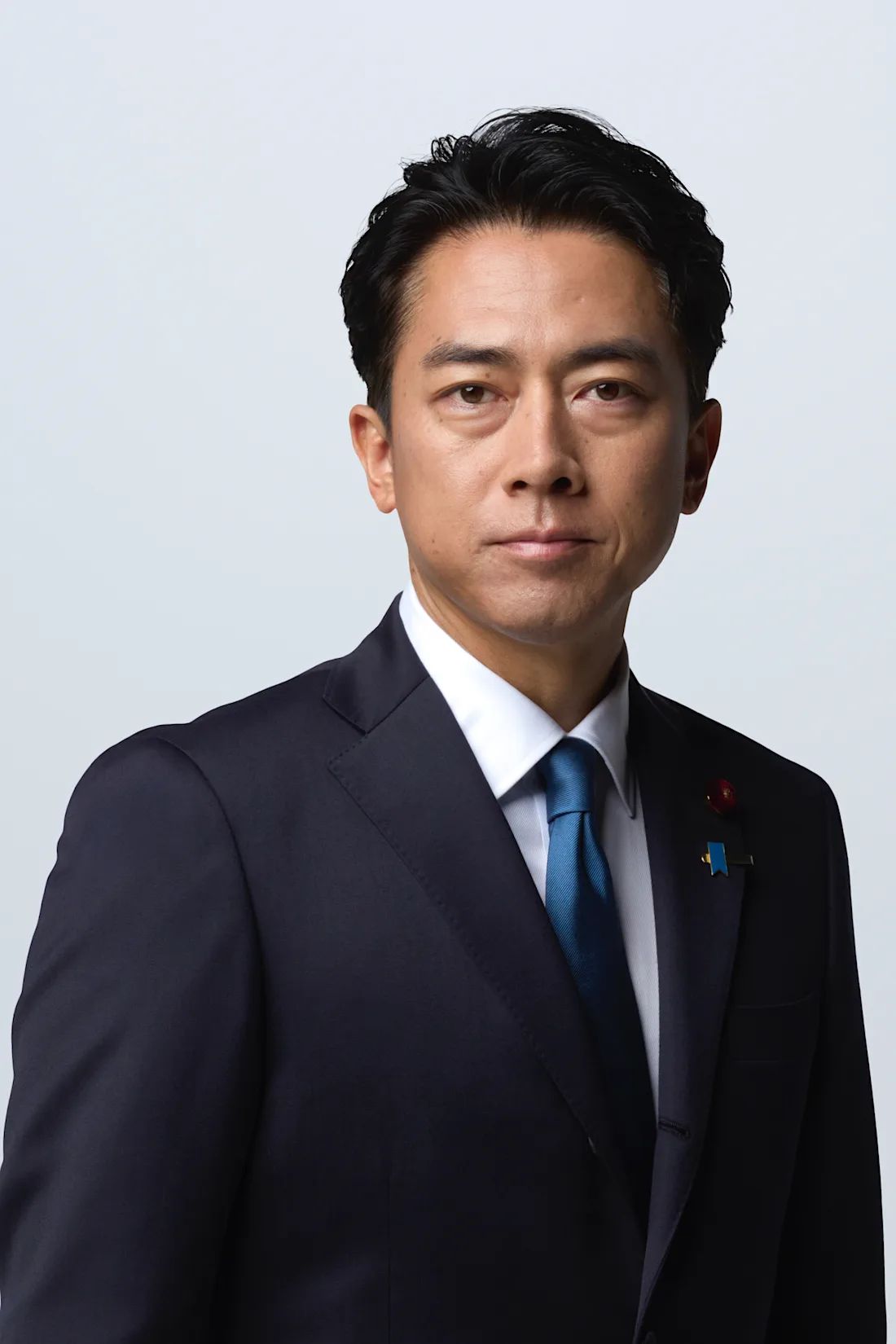 File photo
What happened
Key facts
- Defense Minister Shinjiro Koizumi said drills this week involving the Chinese Navy’s Liaoning carrier strike group highlighted Japan’s limited monitoring capabilities (per The Japan Times).
- The Defense Ministry in Tokyo said the Liaoning and three other Chinese warships entered the South China Sea on Thursday (per The Japan Times).
- Japan is moving to strengthen its defenses in the area, according to the report (per The Japan Times).
- China’s navy has expanded and intensified its activities in waters and airspace near Japan in recent years, the article notes (per The Japan Times).
The brief
Japan’s defense chief said exercises this week by a Chinese carrier strike group exposed holes in Tokyo’s ability to track naval activity. Defense Minister Shinjiro Koizumi told reporters that military drills in the western Pacific involving the Chinese Navy’s Liaoning carrier strike group had highlighted Japan’s “limited” monitoring capabilities.
Koizumi made the comments on Friday, according to The Japan Times. The Defense Ministry in Tokyo said the Liaoning and three other Chinese warships conducted joint military drills south of Okinawa’s Ishigaki Island and then entered the South China Sea on Thursday.
The ministry’s timeline, cited by The Japan Times, places the carrier group’s transit after the drills near Ishigaki and reports that Japanese fighter jets scrambled during the exercises. The scramble occurred near Ishigaki Island, the ministry and Koizumi said, and Koizumi framed the incident as demonstrating gaps in Japan’s monitoring of Chinese naval operations.
The Japan Times reported that Tokyo is moving to strengthen its defenses in the area, quoting government statements on efforts to improve surveillance and response capabilities.
The article also notes that China’s navy has been expanding and intensifying operations in waters and airspace close to Japan in recent years as it seeks to bolster its ability to operate far from its shores. That observation is presented as context in The Japan Times account rather than as a new factual claim about this week’s exercises.
Kyodo News published a headline noting that Japan’s defense chief vowed to boost monitoring after the carrier sailed, corroborating that Tokyo publicly linked the Liaoning’s movements to concerns about surveillance capacity.
Beyond the ministry statement and Koizumi’s remarks, The Japan Times article does not supply additional operational details such as the precise timing of the scramble, the identities of the jets involved, or independent verification of the carrier group’s movements.
Japan’s immediate response, as reported, is to push for strengthened defenses and improved monitoring in the vicinity of Okinawa and the South China Sea, following the drills that prompted the scramble near Ishigaki.
The account focuses on the ministerial assessment of surveillance shortfalls and on the Defense Ministry’s description of the Liaoning group’s route through regional waters.
Why it matters
- Residents of Okinawa prefecture bear concrete safety and surveillance costs because Japanese jets scrambled near Ishigaki Island and Tokyo says monitoring there is limited.
- Japan’s Defense Ministry and Defense Minister Shinjiro Koizumi have documented a specific capability gap, which Japan says it will address by strengthening defenses and surveillance in the area.
- The Liaoning carrier strike group’s entry into the South China Sea, as reported by the Defense Ministry, underscores a documented increase in Chinese naval activity near Japanese waters that Tokyo cited as the basis for reassessing monitoring.
What to watch next
- Whether Japan implements the defense and surveillance measures Koizumi said Tokyo is moving to strengthen, as reported by The Japan Times.
- Whether the Defense Ministry publishes further operational details or timelines about the Liaoning carrier strike group’s drills and transit through the South China Sea.
- Whether Japanese fighter-jet scramble data near Ishigaki Island is released with unit or timing details that corroborate the ministry’s account.
How it's being covered
Coverage analysisShow details2 source articles · 2 unique outletsCoverage mix: Too few rated· 2 CenterWhere the outlets are based: Asia 100%
- Coverage is currently limited to 2 outlets.
One source is from a wire service (AP, Reuters, AFP or Bloomberg), whose reporting other outlets often republish.
How outlets' accounts compare
How we got here
Structurally, the security framework governing Japan’s response is anchored in the Treaty of Mutual Cooperation and Security between the United States and Japan (signed 1960, revised through stationing agreements since), and in the United Nations Convention on the Law of the Sea (UNCLOS, adopted 1982), which frames maritime rights and freedom of navigation claims cited by Tokyo and others.
Regionally binding and legal precedents that shaped current maritime disputes include the Permanent Court of Arbitration ruling in The Hague on July 12, 2016, which rejected the broad maritime claims China asserted in the South China Sea under the nine-dash line; China rejected that ruling on the day of the decision.
Original sources
2 articles from 2 outletsEvery story links to the reporting it was built from. How we choose sources
Spotted a factual error, a broken link or a misleading summary? Tell us.