
KOSPI plunges to six‑month low as SK hynix and Samsung shares tumble, trading halted
The KOSPI fell to a six-month low as SK hynix sank more than 11% and Samsung fell more than 9%, driving an intraday drop that triggered a brief trading halt. The slide followed faster-than-expected US consumer inflation data that revived bets on higher Federal Reserve rates, lifting the probability of an October rate hike in futures markets.
AI-assisted synthesis · Based on 3 independent reports from 4 outlets · Full text read from 2 of 3 reportsHow it's made
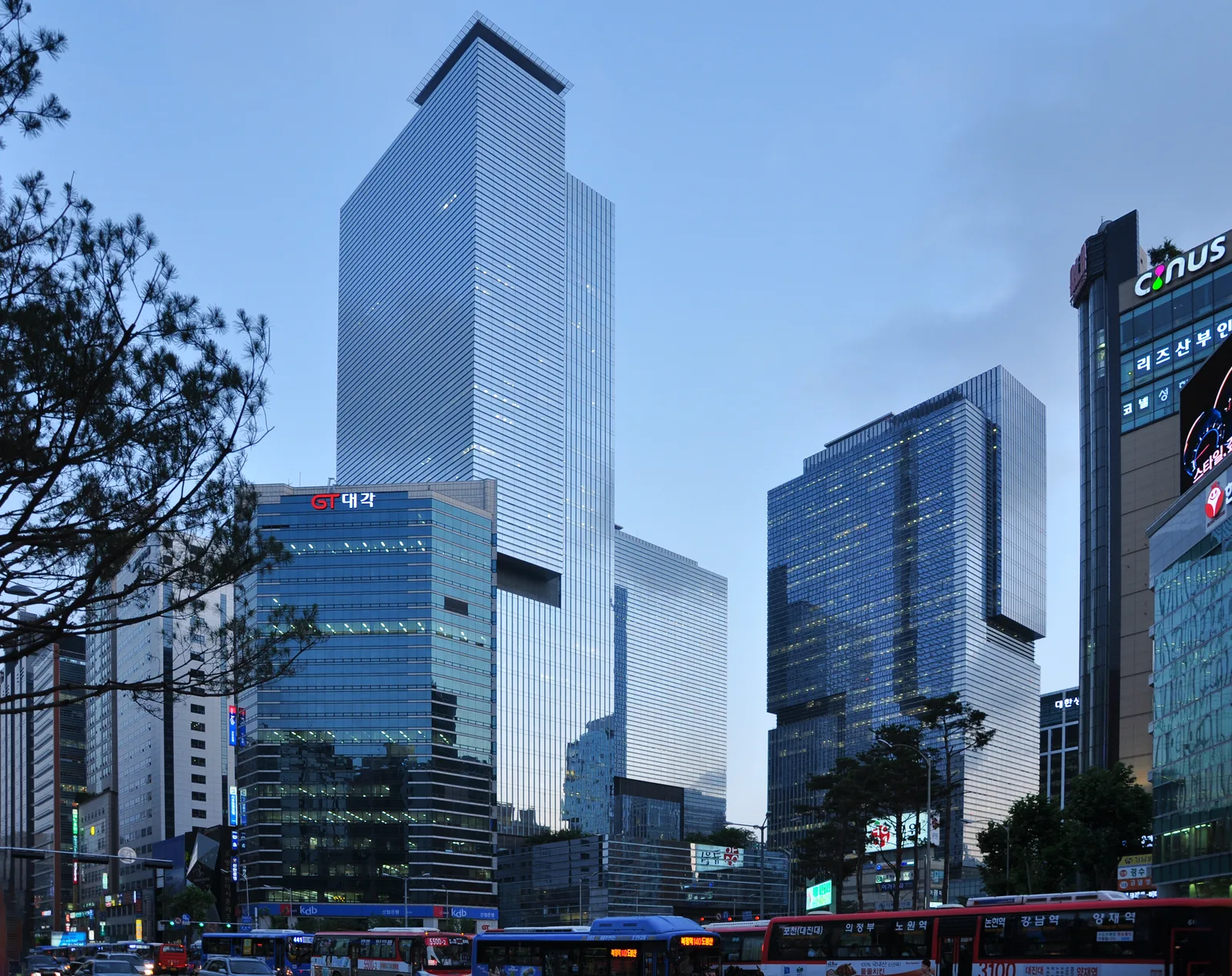 File photo
What happened
Key facts
- The KOSPI fell to a six-month low (per CNA, Reuters, sedaily.com).
- Samsung fell more than 9% during the sell-off (per CNA).
- Seoul's KOSPI briefly dived more than 8%, which led to a brief trading halt (per CNA, sedaily.com, Reuters).
- If the regular session ended lower, the KOSPI would post a seventh consecutive daily decline, its first such streak since Sept. 3-11, 2024 (per sedaily.com).
- Samsung Electronics and SK hynix were both down more than 6% in premarket trading according to Nextrade data referenced in the report (per sedaily.com).
The brief
South Korea’s KOSPI slid to its lowest level in six months as heavy losses at major chipmakers pushed the index into an intraday plunge that halted trading briefly. SK hynix shares fell by more than 11% and Samsung shares dropped by over 9% during the sell-off, driving the market move and prompting the suspension of trading when the index dived beyond an 8% intraday drop.
Market accounts linked the rout to US inflation data that surprised to the upside, reviving investor expectations that the Federal Reserve will lift interest rates further; futures markets priced an increased chance of a 25-basis-point hike at the Fed’s next two-day meeting on Oct 28.
Reports noted that the faster-than-expected rise in US consumer prices shifted sentiment across Asian equity markets, with Tokyo and Taipei also hit as chip-related stocks slumped. One report said the Nikkei fell close to 5% and that other memory and semiconductor suppliers showed steep declines, underlining the regional reach of the sell-off.
In Seoul, trading-platform data cited by local coverage showed both Samsung Electronics and SK hynix were already down in premarket trade, and one account flagged that a continued decline would mark the KOSPI’s seventh straight daily loss, a run not seen since early September 2024.
Coverage differed in emphasis: regional outlets foregrounded the chip sector’s rout and the triggering role of US inflation data, while local market feeds highlighted the potential milestone of a seven-day losing streak for the KOSPI.
What is confirmed across the reporting is the magnitude of the individual chipmakers’ losses, the intraday 8% index drop that halted trading briefly, and the link market participants drew between US inflation surprises and renewed rate-hike expectations.
Unconfirmed in these accounts are more granular drivers inside each company’s trading flows, the composition of sellers (institutional versus retail), and any regulatory or policy moves by South Korean authorities in direct response to the day’s volatility.
The sell-off illustrates the sensitivity of Korea’s market-heavy chip sector to shifts in global rate expectations; investors tracked futures pricing that raised the odds of an October Fed tightening, and that shift in pricing cascaded through technology-heavy weightings on the KOSPI.
For now, market participants and coverage point to US inflation data and the resulting change in rate-hike probability as the proximate catalyst for the rout, with the steep falls at SK hynix and Samsung supplying the bulk of the downward pressure on the index.
Why it matters
- South Korean equity investors faced immediate losses: SK hynix shares fell more than 11% and Samsung shares fell more than 9%, directly reducing market capitalisation concentrated in those firms.
- South Korean market mechanism risk was realised when the KOSPI’s intraday drop exceeded 8% and triggered a trading halt, interrupting liquidity and price discovery for major listed companies.
- Global rate expectations shifted: Fed funds futures priced the chance of a 25-basis-point hike at the October Fed meeting at 31.6%, a change that market participants cited as the mechanical driver of equity re-pricing in Korea and other Asian markets.
- Policy and investor attention will focus on corporate valuations in the semiconductor sector, where large moves in SK hynix and Samsung alter the index weighting that determines broader portfolio exposures for domestic investors and funds.
What to watch next
- Whether the KOSPI ends the regular session lower and records a seventh consecutive daily decline, a streak referenced in local trading reports.
- Whether Fed funds futures maintain elevated implied odds for a 25-basis-point hike at the Federal Reserve's Oct 28 two-day meeting, the market signal tied to the sell-off.
- Whether SK hynix or Samsung disclose company-specific developments, trading suspensions, or regulatory filings that explain their share moves beyond the macro inflation signal.
- Whether other major Asian bourses, particularly Tokyo and Taipei, record additional sharp moves in semiconductor-related stocks following the US inflation data linkage reported by multiple outlets.
How it's being covered
Coverage analysisShow details4 source articles · 4 unique outlets · 3 distinct reportsCoverage mix: Center Only· 3 CenterWhere the outlets are based: Asia 50% · Global 25% · Other 25%
- Coverage is currently concentrated among Center-rated outlets (3 of 3 rated sources); comparatively few Left or Right-rated outlets have published on the event.
One source is from a wire service (AP, Reuters, AFP or Bloomberg), whose reporting other outlets often republish.
How outlets' accounts compare
4 framing differences · 2 uncorroborated claims · 3 information gaps- CNA foregrounds the US inflation surprise and its direct link to revived Fed rate-hike bets as the trigger for the KOSPI rout; en.sedaily.com emphasises local market mechanics such as premarket declines and the potential seven-day losing streak for the KOSPI.
- CNA reports SK hynix sank more than 11% and Samsung fell more than 9%; en.sedaily.com states both were down more than 6% in premarket trading (different time reference rather than a direct contradiction).
- CNA links the increased Fed-hike probability to CME Group's FedWatch implied odds; en.sedaily.com cites Nextrade data for premarket share moves and references the Fed Beige Book's note on oil prices as part of the macro picture.
- No source in the pack provides a definitive account of the internal seller composition (institutional vs retail) that drove SK hynix’s and Samsung’s price falls.
- CNA attributes the sell-off to a quicker-than-expected rise in US consumer inflation that shifted Fed rate expectations; en.sedaily.com notes oil-price and Beige Book references that influenced probability calculations, placing emphasis on related macro inputs rather than a single inflation print.
- S1: 'Fed funds futures are now pricing an implied 31.6 per cent probability of a 25-basis-point hike at the US central bank's next two-day meeting on Oct 28, compared to a 22.1 per cent chance a day earlier, according to the CME Group's FedWatch tool.'
- No report Updat3 read provided detailed breakdowns of trading volumes by buyer type or the corporate-level explanations (insider sales, earnings guidance changes) for SK hynix’s and Samsung’s share moves.
- No source mentioned any immediate regulatory intervention by South Korean authorities or exchange officials beyond the automatic trading halt.
- No source supplied specific casualty, legal, or geopolitical events linked to the market move beyond the cited US inflation data; broader geopolitical context was not given.
How we got here
The immediate backdrop was a seven‑day KOSPI losing streak from Sept. 3–11, 2024, the last time benchmark Seoul stocks fell each trading day, a pattern market participants cited in subsequent volatility discussions.
Structurally, the Korea Composite Stock Price Index (KOSPI) has been operated by the Korea Exchange since its 2005 merger of the Korea Stock Exchange and the KOSDAQ, a framework that governs trading halts and circuit breakers (KRX, 2005).
Original sources
4 articles from 4 outletsEvery story links to the reporting it was built from. How we choose sources
Spotted a factual error, a broken link or a misleading summary? Tell us.