
Lawyers seek order for Trump administration’s Kennedy Center messages
The requested messages could clarify how Trump’s allies and Kennedy Center managers shaped plans for the institution, revealing who drove decisions behind its proposed closure and redevelopment.
AI-assisted synthesis · Based on 4 independent reports from 5 outlets · Article text read from 1 of 4 reports · 1 article captured only in partHow it's made
View timeline · 5 entries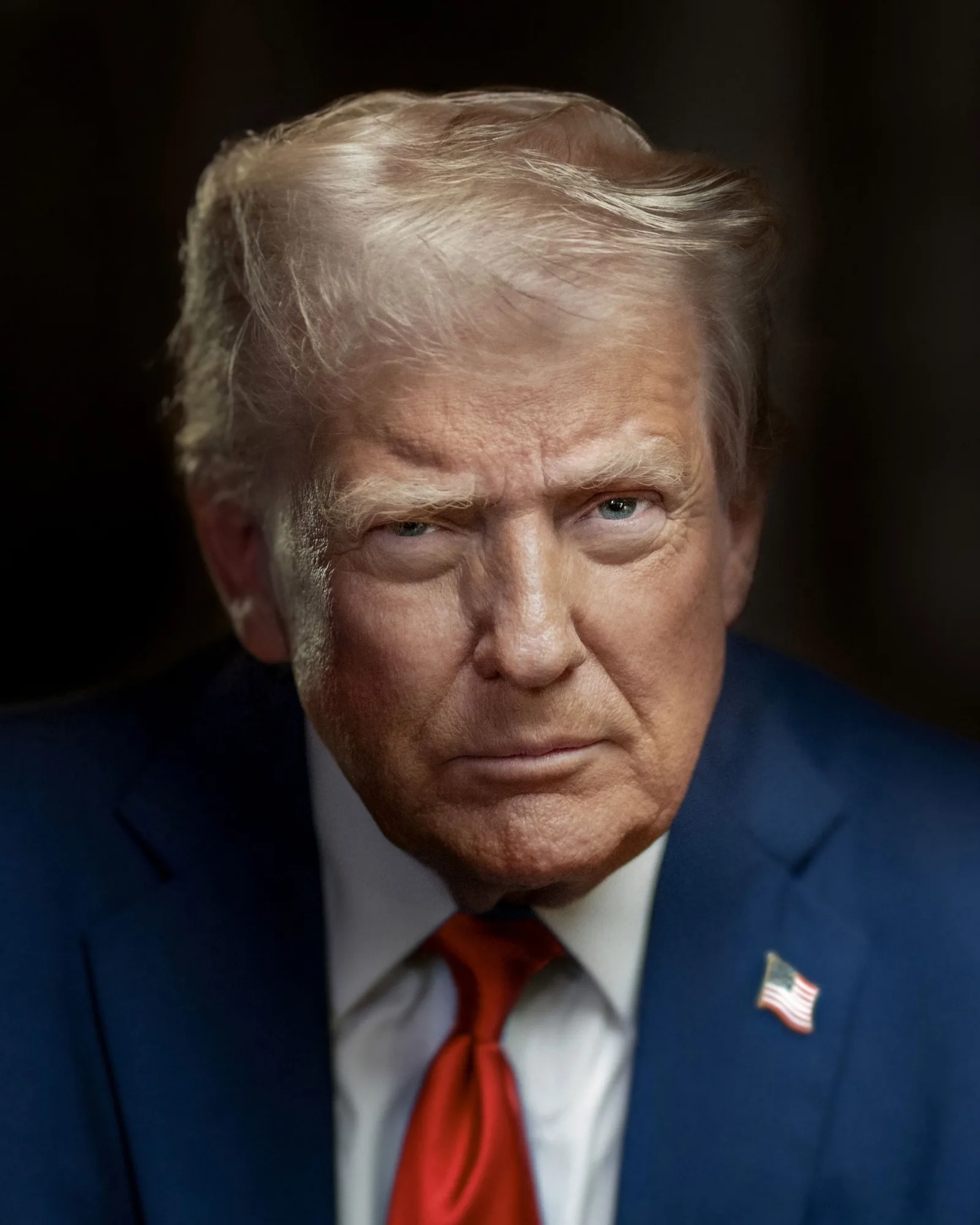 File photo
What happened
Key facts
- Plaintiffs’ lawyers asked a judge to order the Trump administration to disclose communications about plans for the Kennedy Center.
- The requested disclosure covers emails concerning the Kennedy Center.
- The requested disclosure also covers text messages concerning the Kennedy Center.
- The filing describes withheld communications involving the Kennedy Center’s executive director.
- The filing describes withheld communications involving Trump administration aides.
The brief
Plaintiffs’ lawyers are asking a judge to order the Trump administration to disclose emails and text messages concerning plans for the John F. Kennedy Center for the Performing Arts. The request centers on a list of records held by the center that the lawyers described in a court filing as showing Trump in “near-constant contact” with its management, either directly or through intermediaries. No ruling on the request is reported. The list includes 19 text messages between Matt Floca, the center’s executive director and CEO, and Natalie Harp, Trump’s executive assistant. The messages concerned Kennedy Center-related matters. According to Beatty’s lawyers, Floca and Harp exchanged 11 of them on Sept. 15, the day the center’s board voted for a third time to close the facility. The withheld-records list also contains approximately 180 texts related to the center between Floca and Howard Lutnick, the Commerce secretary. Beatty’s lawyers said Lutnick was acting as Trump’s “go-between.” The filing’s description of these communications forms part of the lawyers’ case for seeking disclosure; it does not itself establish what the messages say. The dispute concerns records connected to the center’s leadership and plans for its building. The source describes Trump as having been named the center’s chairman last year by board members it calls his loyalists. Trump has said the building is in dangerous condition and will need to be “ripped down.”
On Sept. 16, Floca ordered a temporary closure of the center’s main building, one day after the board’s Sept. 15 vote. The account does not state whether the closure order was connected to the messages or to the board vote, and it reports no decision by the judge on the disclosure request. The immediate question is whether the judge will require the administration to release the emails and texts sought by the lawyers. The filing identifies the number and participants of some messages, while the request seeks disclosure of the records themselves.
Why it matters
- The disclosure request concerns 19 messages between Matt Floca and Natalie Harp, including 11 exchanged on the day the board voted to close the facility for a third time.
- The list also identifies approximately 180 center-related texts between Floca and Commerce Secretary Howard Lutnick, whom Beatty’s lawyers describe as Trump’s go-between.
- The records request concerns communications about the Kennedy Center and its plans; Trump has said the building is in dangerous condition and will need to be “ripped down.”
What to watch next
- Whether the judge orders the Trump administration to disclose the emails and texts sought by the lawyers.
- Whether the administration releases the records identified in the lawyers’ filing.
- Whether a ruling addresses the 19 Floca-Harp messages or the approximately 180 Floca-Lutnick texts.
How it's being covered
Coverage analysisShow details5 source articles · 5 unique outlets · 4 distinct reportsOutlet political mix: Mostly Center· 1 Left · 2 Center · 2 unratedWhere the outlets are based: US/Canada 40% · Unknown 40% · Other 20%
How outlets' accounts compare
Timeline
Developments from this story's sources, dated background we compiled and fact-checked, and our earlier coverage. Each row says which.- Congress created the National Cultural Center by statute in 1958 as a national performing-arts institution.Background · from our historical context
- Congress renamed the National Cultural Center the John F. Kennedy Center for the Performing Arts.Background · compiled and fact-checked by Updat3
- The center opened to the public on September 8, 1971.Background · from our historical context
- In 2025, President Donald Trump became the center’s chairman after board members elected him.Background · from our historical context
- On Sept. 16, Floca ordered a temporary closure of the Kennedy Center’s main building.
How we got here
The records dispute follows a change in leadership at the Kennedy Center and a public debate over what should happen to its building. In 2025, President Donald Trump became the center’s chairman after board members elected him.
Trump later said the building was in dangerous condition and would need to be “ripped down.” Those statements made communications between the center’s management and Trump’s aides relevant to questions about how plans were developed and who participated in them.
Original sources
5 articles from 5 outletsEvery story links to the reporting it was built from. How we choose sources
Spotted a factual error, a broken link or a misleading summary? Tell us.