
Netanyahu urges Likud supporters as Israeli turnout reaches 31.5% by noon
Benjamin Netanyahu urged right-wing voters to support Likud as Israel’s election turnout reached 31.5% by noon, according to the Central Elections Committee. Netanyahu alleged that Arab voters were trying to steal the election, while Justice Noam Sohlberg said voters faced waits of 15 to 20 minutes.
AI-assisted synthesis · Based on 5 outlets' reporting · Article text read from 1 of 5 outletsHow it's made
View timeline · 10 entries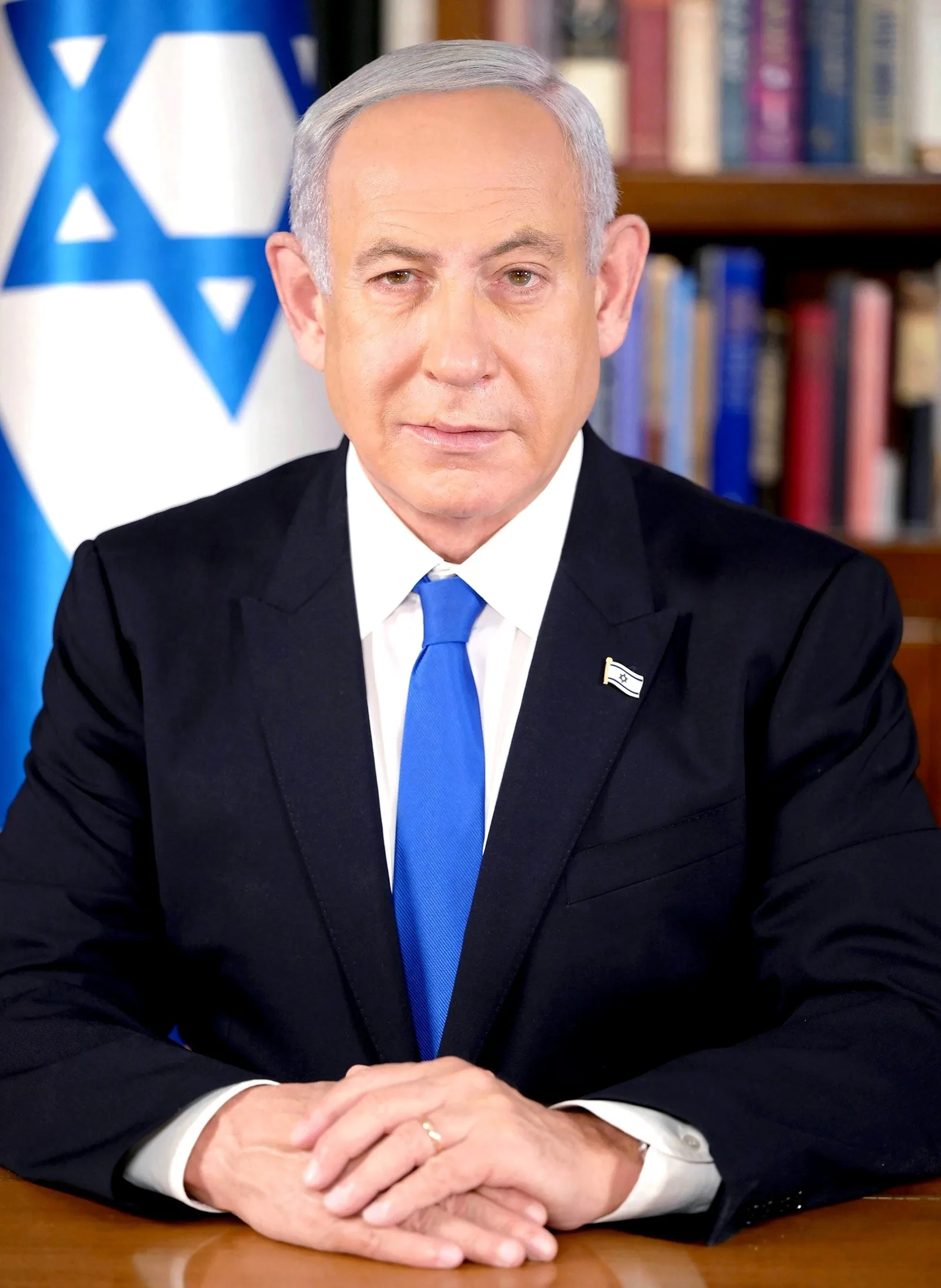 File photo
What happened
Key facts
- On October 27, 2026, Benjamin Netanyahu said Arab lawmakers’ reports of high turnout among their voters showed that “they are trying to steal the election from us.”
- The Central Elections Committee said turnout had reached 31.5% by noon, the highest at that hour since 1973.
- Netanyahu urged supporters to vote for Likud and said the left and Arab parties wanted to end the Jewish state.
- Polls suggested Netanyahu could lose power; Gadi Eisenkot, identified as his main rival, voted earlier that day.
- Ahmad Tibi said polling stations were busier than ever and predicted a major victory.
- Justice Noam Sohlberg said voters were facing waits of 15 to 20 minutes at polling stations.
The brief
Israel’s Central Elections Committee said turnout in the general election had reached 31.5% by noon, the highest level recorded at that hour since 1973. As voting proceeded, Prime Minister Benjamin Netanyahu urged right-wing supporters to back Likud, while alleging that high turnout among Arab voters showed they were trying to steal the election.
That allegation was Netanyahu’s; it was not established as fact by the reported turnout figure. The Central Elections Committee figure put participation at 31.5% by noon. Acting committee director-general Dean Livne said about 2.3 million people had voted by then, and compared the turnout with 28.4% at the same hour in 2022.
The comparison describes the reported voting rate at the same point in the day; the account did not provide a final result or an eventual turnout figure. Netanyahu cast his ballot in Jerusalem, according to Türkiye Today, and urged Israelis to vote “the right way.” He also said that the left and Arab parties wanted to end the Jewish state.
His remarks linked his appeal to reports of high turnout among Arab voters, but the outlet did not independently verify his allegation that those voters were seeking to steal the election. Ahmad Tibi offered a contrasting view of the busy polling stations. He said they were busier than ever and predicted a major victory.
The report did not specify which election result Tibi predicted, or provide an independent measure of turnout in Arab communities. Justice Noam Sohlberg said voters faced waits of 15 to 20 minutes. He described the queues as unpleasant while saying that many voters continued to exercise their right to vote.
His remarks concerned the experience at polling stations, not the final turnout or the outcome. Türkiye Today said polls suggested Netanyahu could lose power and identified Gadi Eisenkot as his main rival, adding that Eisenkot had voted earlier that day.
The Times of Israel headline separately said Eisenkot called on Netanyahu to step down and urged security chiefs to serve the state and Israeli citizens alone. Those reports place Netanyahu’s appeal alongside a contest in which his hold on power was uncertain, but neither turnout figures nor a rival’s call establish the election result.
The reported figures and statements describe voting during the day; no final result is given.
Why it matters
- The 31.5% turnout by noon and the committee’s comparison with 28.4% at the same hour in 2022 make participation the central measurable feature of the reported election-day account.
- Voters at polling stations faced waits of 15 to 20 minutes, according to Justice Noam Sohlberg; the account says many continued voting despite the queues.
- Netanyahu’s claim about Arab voters and Ahmad Tibi’s prediction of a major victory show competing political statements about participation, while neither establishes the election outcome.
What to watch next
- Whether the Central Elections Committee reports turnout figures later in the day or a final participation rate.
- Whether Benjamin Netanyahu’s appeal to right-wing voters is followed by further public statements during the election.
- Whether Gadi Eisenkot repeats or develops the call for Netanyahu to step down reported in The Times of Israel headline.
- The election result, which the reported turnout figures and statements do not establish.
How it's being covered
Coverage analysisShow details5 source articles · 5 unique outletsOutlet political mix: Mixed· 1 Left · 1 Center · 1 Right · 2 unratedWhere the outlets are based: Middle East 100%
- Coverage is currently concentrated among outlets based in Middle East (5 of 5 geographically-identified sources).
How outlets' accounts compare
Timeline
Developments from this story's sources, dated background we compiled and fact-checked, and our earlier coverage. Each row says which.- The first Knesset election took place on January 25, 1949, using proportional representation.Background · from our historical context
- Benjamin Netanyahu became prime minister after winning Israel’s first direct election for the office.Background · compiled and fact-checked by Updat3
- A party must clear the 3.25% electoral threshold, raised from 2% in 2014, to win seats.Background · from our historical context
- On March 17, 2015, election day, he warned in a video that “Arab voters are coming in droves to the polls,” and later apologized for the remark.Background · from our historical context
- In 2021, Ra’am became the first independent Arab-led party to join an Israeli governing coalition, under Bennett and Lapid.Background · from our historical context
- Gadi Eisenkot, a former Israel Defense Forces chief of staff, entered electoral politics in 2022 as part of the National Unity alliance.Background · from our historical context
- Israel held a Knesset election in which Benjamin Netanyahu's bloc won a majority.Background · compiled and fact-checked by Updat3
- Benjamin Netanyahu’s new government was sworn in after the 2022 election.Background · compiled and fact-checked by Updat3
- Benny Gantz and Gadi Eisenkot left Israel’s emergency government.Background · compiled and fact-checked by Updat3
- On October 27, 2026, Benjamin Netanyahu urged right-wing supporters to vote for Likud in Israel’s general election.
How we got here
Israel’s previous general election, held on November 1, 2022, returned Benjamin Netanyahu’s Likud as the largest party, with 32 seats; Netanyahu formed a coalition government that took office on December 29. That vote followed the June 2021 end of the government led by Naftali Bennett and Yair Lapid, making the 2022 election Israel’s fifth in less than four years.
Gadi Eisenkot, a former Israel Defense Forces chief of staff, entered electoral politics in 2022 as part of the National Unity alliance. A party must clear the 3.25% electoral threshold, raised from 2% in 2014, to win seats. In 2021, Ra’am became the first independent Arab-led party to join an Israeli governing coalition, under Bennett and Lapid.
Original sources
5 articles from 5 outletsEvery story links to the reporting it was built from. How we choose sources
Spotted a factual error, a broken link or a misleading summary? Tell us.