
Lula wins Brazil’s presidency with 51.8% of the vote
Luiz Inacio Lula da Silva defeated Flavio Bolsonaro in Brazil’s presidential election, winning 51.8 per cent of the vote to Bolsonaro’s 48.2 per cent, according to Global News. The result leaves Lula facing a Congress where conservatives expanded their ranks in October elections.
AI-assisted synthesis · Based on 6 outlets' reporting · Article text read from 1 of 6 outletsHow it's made
View timeline · 14 entries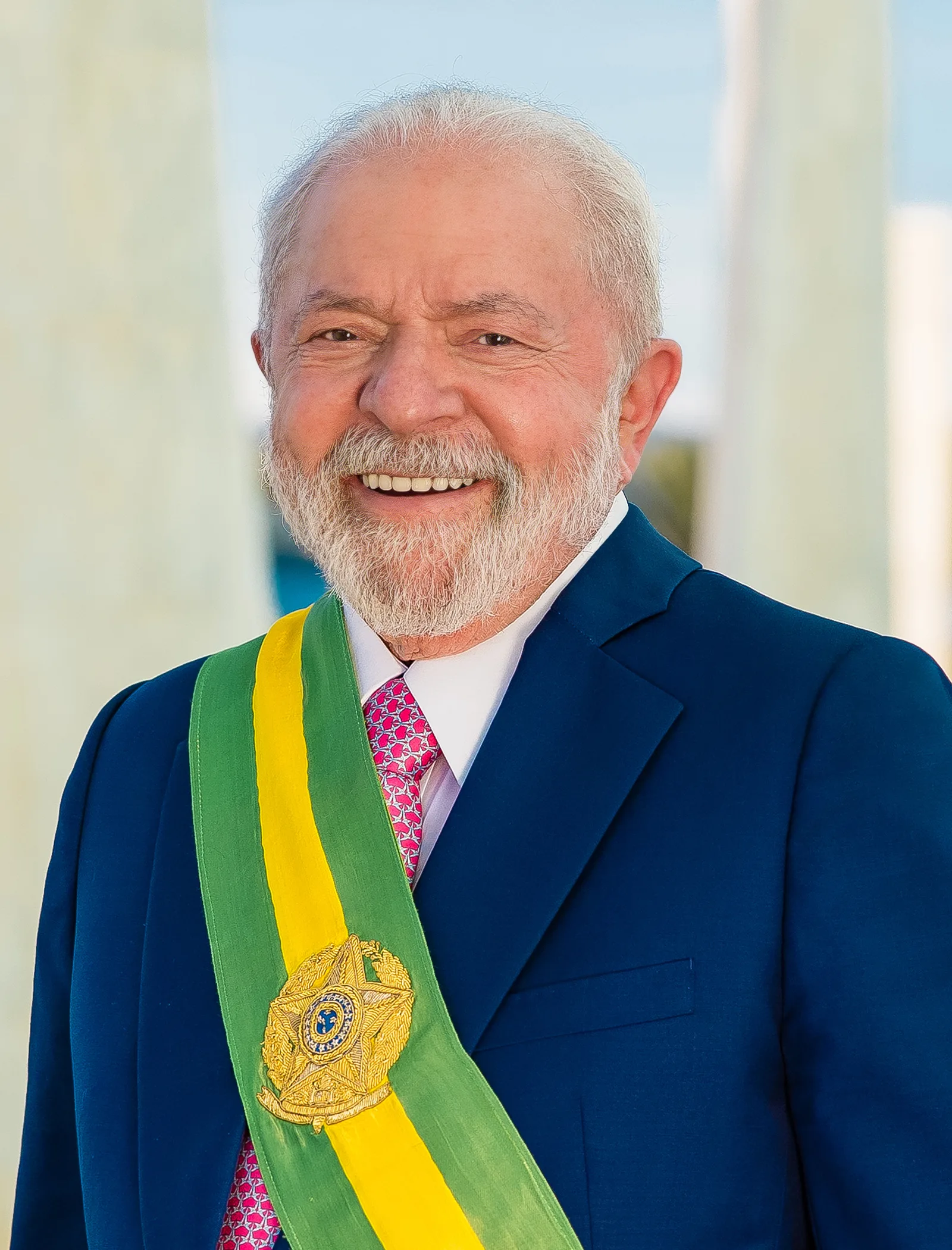 File photo
What happened
Key facts
- The Independent headline says 84 million Brazilians are in debt (per The Independent).
- Firstpost’s headline says five challenges await Lula (per firstpost.com, Global News).
- The Conversation headline calls Lula’s election win a “miracle” and says the next task is putting the country back on the right track (per theconversation.com, Global News).
- The BBC headline says world leaders congratulated Lula after his election win and Flavio Bolsonaro refused to concede (per BBC, Global News).
- Global News says conservatives expanded their ranks in Brazil’s Congress in the Oct. 4 elections, limiting the backing Lula needs for meaningful reforms (per Global News).
The brief
Luiz Inacio Lula da Silva defeated Flavio Bolsonaro in Brazil’s presidential election, receiving 51.8 per cent of the vote to Bolsonaro’s 48.2 per cent, Global News reported. The result returned Lula to the presidency and leaves him facing a Congress where conservatives expanded their ranks in elections held Oct. 4, according to the outlet.
Global News described Lula’s win as a striking victory for the incumbent and said it strengthens Brazil’s position as a counterweight to Washington. The outlet also connected the result to U.S. President Donald Trump’s effort to tighten his influence in the Western Hemisphere. Those are the outlet’s assessments of the election’s broader political significance.
The congressional balance is a central constraint in Global News’s account. Conservatives’ expanded representation, the outlet said, deprives Lula of the support he needs to enact meaningful reforms. It said further bargaining with Trump over tariffs lies ahead, alongside negotiations with Brazil’s Congress.
The report did not specify particular tariff proposals or legislative measures. The article also pointed to Brazil’s economic and strategic position, saying the country produces about 90 per cent of the world’s niobium. It described niobium as important for jet and rocket engines and other military equipment, citing the U.S. Geological Survey.
Economist Monica de Bolle said, “Brazil has leverage.” Global News did not detail how that leverage might be used in tariff negotiations. The source included an election-integrity allegation in an excerpt presented as a reader comment: the commenter questioned why Lula needed an extension of voting by two hours and alleged that the left cheated.
The excerpt also rejected the claim that Lula is a communist, calling that characterization false. These statements appear as commentary, not as findings established in the article; the source provides no supporting evidence for the cheating allegation. The other supplied headlines emphasize the governing challenges ahead.
France 24 characterizes Lula’s task as an uphill battle to govern; Firstpost says five challenges await him; and The Independent highlights debt among Brazilians. The Conversation calls the win a “miracle” and frames the next task as putting the country back on track. The BBC headline says world leaders congratulated Lula and that Flavio Bolsonaro refused to concede.
These headlines do not provide additional details about the challenges or the reactions. Global News also notes that Flavio Bolsonaro’s father, former President Jair Bolsonaro, lost to Lula in 2022.
The immediate political picture in this account is therefore a presidential win accompanied by a stronger conservative presence in Congress, with tariff bargaining and the pursuit of reforms identified as issues ahead.
Why it matters
- Lula won with 51.8 per cent against Flavio Bolsonaro’s 48.2 per cent, but the stronger conservative presence in Congress limits the backing Global News says he needs for meaningful reforms.
- Brazil’s Congress is a direct negotiating arena: Global News says Lula will need to bargain there while pursuing reforms.
- Global News links Brazil’s stated production of about 90 per cent of the world’s niobium to the country’s strategic leverage; the outlet says the material is used in jet and rocket engines and other military equipment.
- The source identifies tariff bargaining with U.S. President Donald Trump as an issue ahead, while describing Brazil’s position as a counterweight to Washington.
What to watch next
- Whether Lula can secure support in Congress for the meaningful reforms that Global News says lack sufficient backing.
- How Lula and U.S. President Donald Trump bargain over tariffs, an issue Global News says lies ahead.
- Whether Flavio Bolsonaro concedes the election, after the BBC headline says he refused to concede.
- How Lula addresses the governing challenges highlighted in the France 24, Firstpost, The Independent and The Conversation headlines.
How it's being covered
Coverage analysisShow details6 source articles · 6 unique outletsOutlet political mix: Mostly Center· 1 Left · 5 CenterWhere the outlets are based: Europe 50% · Unknown 33% · Other 17%
- Coverage is currently concentrated among Center-rated outlets (5 of 6 rated sources); comparatively few Right-rated outlets have published on the event.
How outlets' accounts compare
Timeline
Developments from this story's sources, dated background we compiled and fact-checked, and our earlier coverage. Each row says which.- Luiz Inácio Lula da Silva helped found Brazil’s Workers’ Party.Background · compiled and fact-checked by Updat3
- The PT was founded on Feb. 10, 1980, during the transition away from military rule, and Lula became one of its central leaders.Background · from our historical context
- Brazil’s current democratic system was established by the Constitution promulgated on Oct. 5, 1988, after two decades of military rule.Background · from our historical context
- Luiz Inácio Lula da Silva won Brazil’s presidential runoff against José Serra.Background · compiled and fact-checked by Updat3
- Luiz Inácio Lula da Silva took office as Brazil’s president for the first time.Background · compiled and fact-checked by Updat3
- He began serving a prison sentence in April 2018.Background · from our historical context
- Jair Bolsonaro defeated Workers’ Party candidate Fernando Haddad in Brazil’s presidential runoff.Background · compiled and fact-checked by Updat3
- Vice-President Michel Temer then became president and served until Bolsonaro’s inauguration on Jan. 1, 2019.Background · from our historical context
- Brazil’s Supreme Federal Court annulled Lula’s corruption convictions, ruling that the Curitiba court lacked jurisdiction.Background · compiled and fact-checked by Updat3
- On Oct. 2, 2022, Brazil held the first round of its presidential election: Luiz Inácio Lula da Silva won 48.4% of valid votes, and incumbent Jair Bolsonaro won 43.2%, sending the contest to a runoff.Background · from our historical context
- Luiz Inácio Lula da Silva defeated Jair Bolsonaro in Brazil’s presidential election.Background · compiled and fact-checked by Updat3
- Bolsonaro supporters stormed Brazil’s Congress, Supreme Court and presidential palace in Brasília.Background · compiled and fact-checked by Updat3
- Brazil’s Supreme Court sentenced Jair Bolsonaro to 27 years and three months in prison for plotting a coup.Background · compiled and fact-checked by Updat3
- Flávio Bolsonaro led Lula in Brazil’s presidential first round, 47 percent to 45 percent.Background · compiled and fact-checked by Updat3
How we got here
On Oct. 2, 2022, Brazil held the first round of its presidential election: Luiz Inácio Lula da Silva won 48.4% of valid votes, and incumbent Jair Bolsonaro won 43.2%, sending the contest to a runoff.
The same day, elections for Congress and state offices strengthened conservative and right-wing parties, leaving the next president to contend with a legislature not dominated by his allies. Lula and Bolsonaro had already faced one another in televised debates during the campaign, while Lula’s Workers’ Party (PT) sought a return to national office after 2016.
Original sources
2 of 6 articles · Unknown · Show allEvery story links to the reporting it was built from. How we choose sources
Spotted a factual error, a broken link or a misleading summary? Tell us.