
Melania Trump says she brokered ceasefire in Oleshky
The White House says Melania Trump helped secure a localized ceasefire between Russia and Ukraine for Oleshky in southern Ukraine. The White House said the halt would begin Thursday and allow humanitarian aid deliveries and civilian evacuations.
AI-assisted synthesis · Based on 12 independent reports from 14 outlets · Article text read from 3 of 12 reportsHow it's made
View timeline · 6 entries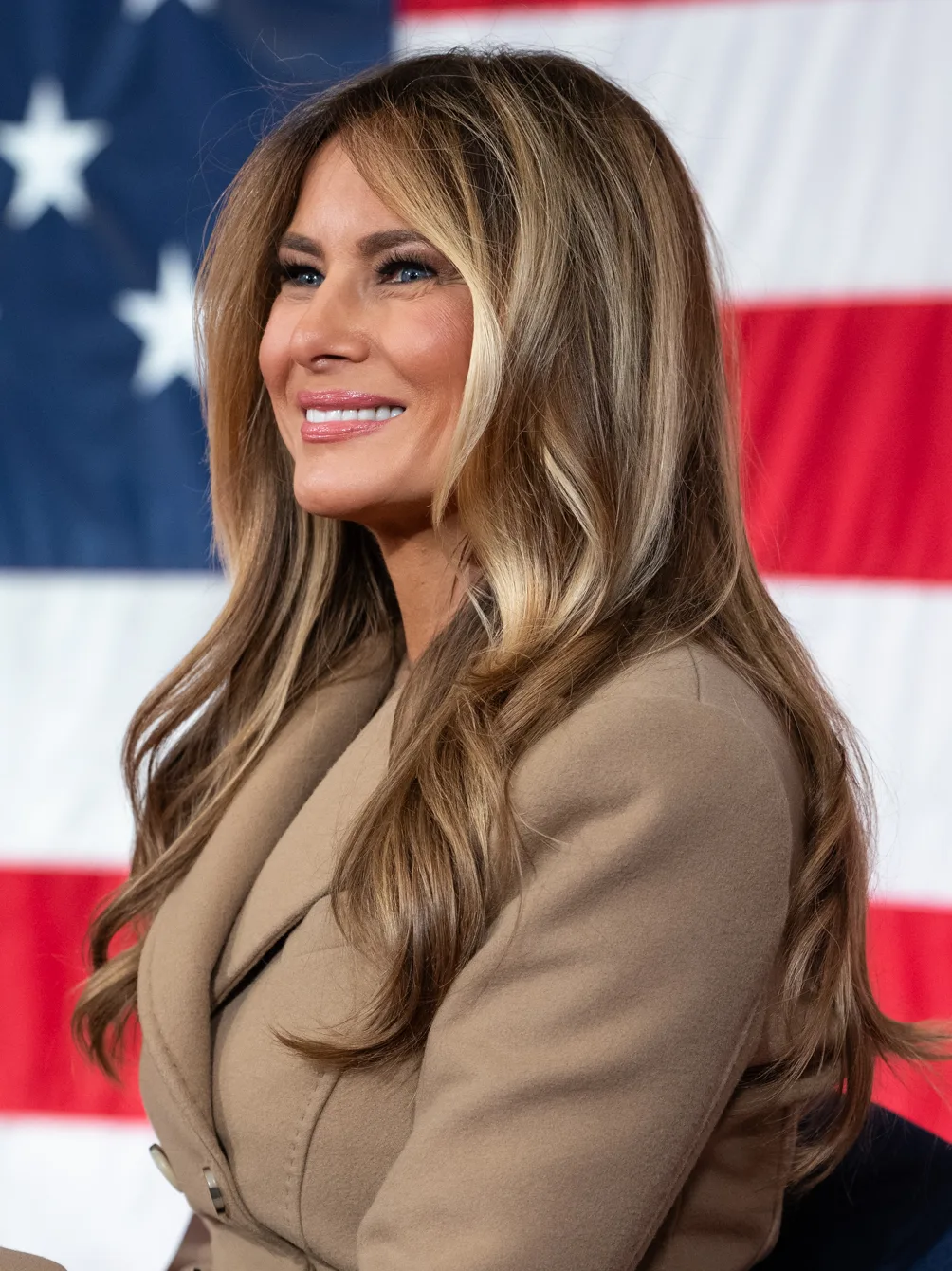 File photo
What happened
Key facts
- Melania Trump said she helped broker a ceasefire between Russia and Ukraine for Oleshky, a city in southern Ukraine (per Washington Examiner, The Japan Times, The Sydney Morning Herald).
- The arrangement was intended to allow humanitarian aid deliveries and civilian evacuations in Oleshky (per Washington Examiner, The Japan Times, The Sydney Morning Herald).
- Melania Trump said she used channels developed through efforts to reunite Ukrainian children captured by Russia with their families (per Washington Examiner, The Japan Times, wcax.com).
- Melania Trump said she had reunited more than 30 families (per Washington Examiner).
- Melania Trump called Oleshky a frontline city on the brink of disaster (per The Japan Times, Washington Examiner, The Sydney Morning Herald).
- The White House said Melania Trump helped secure a localized humanitarian ceasefire for Oleshky (per The Sydney Morning Herald, Washington Examiner, The Japan Times).
The brief
The White House says Melania Trump helped secure a localized ceasefire between Russia and Ukraine for Oleshky, a frontline city in southern Ukraine. The arrangement is intended to permit humanitarian aid deliveries and civilian evacuations. The White House said the limited halt in fighting would begin Thursday. Melania Trump said she helped broker the arrangement.
The Washington Examiner reported that Russia and Ukraine had agreed to halt operations in the area, while the White House statement, as reported by The Sydney Morning Herald, characterized the deal as local and humanitarian. The accounts describe a geographically limited arrangement rather than a ceasefire covering the wider war.
The immediate stakes in Oleshky are described in stark terms by The Japan Times, which reported that residents were trapped and running out of food. Melania Trump called the city a frontline war zone on the brink of disaster, according to her statement released by the White House and quoted by The Japan Times.
The Washington Examiner reported her account that Oleshky’s remaining population was primarily elderly and needed medical attention, medicine, food and clean water; it also quoted her saying residents faced limited electricity, mined roads and regular military attacks. The stated humanitarian purpose is to bring aid into the city and enable civilian evacuations.
Melania Trump said that without her involvement it would have been impossible to bring aid into Oleshky and evacuate elderly residents. That is her assessment of the situation; the reported terms of the ceasefire provide for aid deliveries and evacuations, but do not establish whether those operations have taken place.
Melania Trump attributed her role to communication channels developed through her efforts to reunite Ukrainian children captured by Russia with their families. She said she had reunited more than 30 families. The Washington Examiner reported that she said the ceasefire was delivered through those channels.
The account ties her claimed role in the Oleshky arrangement to this earlier family-reunification work, without describing the channel’s specific participants or process. Coverage puts different emphasis on the announcement. The Washington Examiner supplies details about the planned halt, its humanitarian objectives and Melania Trump’s explanation of her channels.
The Japan Times foregrounds the reported food shortage and describes the announcement as a surprise intervention; it also situates it against Donald Trump’s stated pursuit of an end to Russia’s war and a pivot toward Moscow that it says alarmed Kyiv. The Sydney Morning Herald focuses on the White House’s account that Melania Trump helped secure a local humanitarian ceasefire.
These differences concern emphasis and detail, rather than competing reported terms for the Oleshky arrangement. The central practical question is whether Russian and Ukrainian operations in the designated area stop as planned and whether aid deliveries and civilian evacuations proceed.
The reporting attributes agreement to both countries through the Washington Examiner, but does not report implementation on the ground. The arrangement’s stated scope is Oleshky, and the described objectives are limited to humanitarian access and civilian evacuation there.
Why it matters
- Oleshky residents bear the direct costs described in the reporting: food shortages and restricted access to aid, while elderly residents are reported to need medical attention, medicine, food and clean water.
- The planned halt is tied to two concrete humanitarian mechanisms in Oleshky: bringing in aid and evacuating civilians.
- Melania Trump said she relied on channels developed through family-reunification efforts and had reunited more than 30 families; she linked those channels to her role in the ceasefire.
What to watch next
- Whether Russian and Ukrainian forces halt operations in the Oleshky area as the White House said they would.
- Whether humanitarian aid deliveries reach Oleshky.
- Whether civilian evacuations from Oleshky take place.
How it's being covered
Coverage analysisShow details15 source articles · 14 unique outlets · 10 distinct reportsOutlet political mix: Mostly Center· 1 Left · 10 Center · 2 Right · 1 unratedWhere the outlets are based: US/Canada 43% · Asia 21% · Other 36%
- Coverage is currently concentrated among Center-rated outlets (10 of 13 rated sources).
One source is from a wire service (AP, Reuters, AFP or Bloomberg), whose reporting other outlets often republish.
How outlets' accounts compare
4 framing differences · 2 uncorroborated claims · 1 information gap- The Japan Times emphasizes reported food shortages and describes the announcement as a surprise intervention; The Washington Examiner gives more detail about the ceasefire’s planned humanitarian operations and Melania Trump’s stated channels.
- The Japan Times frames the announcement against Donald Trump’s pursuit of an end to the war and a pivot toward Moscow that it says alarmed Kyiv; The Sydney Morning Herald centers the White House’s description of a local humanitarian ceasefire.
- The Washington Examiner reports that Russia and Ukraine agreed to halt operations in the area; The Sydney Morning Herald attributes the claim that Melania Trump helped secure the arrangement to the White House.
- The reporting describes the ceasefire as agreed or secured but does not establish whether the halt, aid deliveries or evacuations were implemented.
- Melania Trump described Oleshky as being “on the brink of disaster,” as quoted by The Japan Times.
- Melania Trump said she had reunited more than 30 families, according to The Washington Examiner.
- The sources do not describe the military circumstances that led to the proposed halt in Oleshky or provide independent verification of conditions on the ground.
Timeline
Developments from this story's sources, dated background we compiled and fact-checked, and our earlier coverage. Each row says which.- Ukraine, Russia, the United States and the United Kingdom signed the Budapest Memorandum on security assurances.Background · compiled and fact-checked by Updat3
- At its April 2008 Bucharest Summit, NATO declared that Ukraine and Georgia “will become members,” without setting an accession date.Background · from our historical context
- In 2014, after mass protests known as the Euromaidan, Ukraine’s parliament removed President Viktor Yanukovych from office; Russia then annexed Crimea, a move rejected by Ukraine and most countries.Background · from our historical context
- Ukraine, Russia, France and Germany agreed to the Minsk II package of measures, which included a ceasefire.Background · compiled and fact-checked by Updat3
- The issue sits within a wider dispute over children transferred from occupied parts of Ukraine after Russia’s full-scale invasion in 2022.Background · from our historical context
- The International Criminal Court issued arrest warrants for Vladimir Putin and Maria Lvova-Belova over alleged unlawful deportation and transfer of Ukrainian children.Background · compiled and fact-checked by Updat3
How we got here
Before the Oleshky issue, Melania Trump, as first lady, described using communication channels developed through efforts to reunite Ukrainian children taken to Russia with their families; she said those efforts had reunited more than 30 families.
The issue sits within a wider dispute over children transferred from occupied parts of Ukraine after Russia’s full-scale invasion in 2022.
Original sources
15 articles from 14 outletsEvery story links to the reporting it was built from. How we choose sources
Spotted a factual error, a broken link or a misleading summary? Tell us.