
Meta ordered to pay more than $35 billion over privacy claims
The fine exceeds $35 billion, underscoring the financial stakes of disputes over how social-media firms collect, use and protect personal data—a central tension in Meta’s advertising-driven business.
AI-assisted synthesis · Based on 5 outlets' reporting · Article text read from 3 of 5 outletsHow it's made
View timeline · 8 entries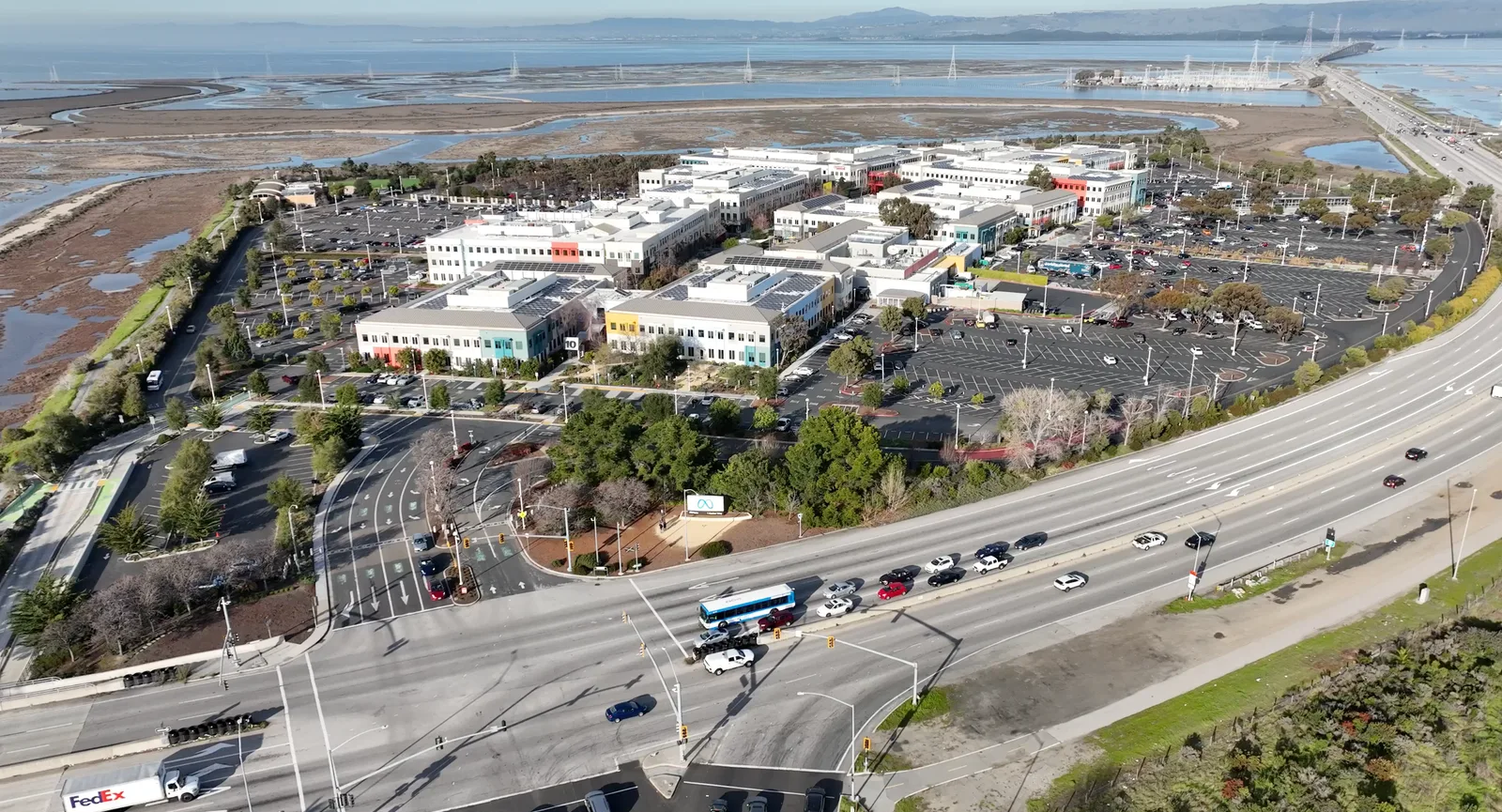 File photo
What happened
Key facts
- Meta was ordered to pay more than $35 billion over privacy claims.
- The source does not verify details about a New Mexico case.
- The source does not verify that New Mexico Attorney General Raúl Torrez filed suit against Meta in December 2023.
- The source does not verify New Mexico’s allegations about children’s exposure to harmful content or predators.
- The source does not verify that New Mexico’s investigation included undercover accounts posing as minors.
- The source does not verify Meta’s response to the allegations.
The brief
A judge ordered Meta to pay New Mexico $25 billion after a jury found the company liable for deceiving users about privacy and content moderation on Facebook. Judge Francis Mathew also found that Meta’s legal violations and misrepresentations about how Facebook data was used and shared were willful, and spanned 2010 to 2021.
The ruling concerns claims about Facebook’s treatment of user data and its content moderation policies. The order followed a September verdict, which Meta had said it planned to appeal. The sum ordered is $25 billion; a separate report described the penalty as more than $35 billion, but did not provide further details about that figure.
New Mexico Attorney General Torrez said an appeal would tie up the money. He said the award could fund school construction for the next 100 years. That is his estimate of what the sum might support, rather than a confirmed allocation of the money. Meta’s lawyers sought a payment capped at $3.4 billion.
At an October 1 hearing, Meta lawyer Nicholson argued that the jury had not found any New Mexican heard or saw the statements, or was harmed by them. The company’s lawyers contended that a much larger award would violate due process, be unconstitutional and fail on appeal. The accounts emphasize different aspects of the case.
ABP Live highlights Mathew’s finding that the conduct was willful and his statement that corporate size does not put a company beyond the law. ABC News reports the jury’s liability finding, Meta’s arguments against the award and Torrez’s comments about the potential use of the money.
The Sydney Morning Herald characterizes the penalty as more than $35 billion and as Meta’s largest fine, while the other reports give the court order as $25 billion. Meta shares were trading 2% higher following the penalty announcement. The company was scheduled to report quarterly earnings that afternoon.
Meta’s appeal, if pursued as it had said it planned, would challenge the September verdict and leave the money tied up while the appeal proceeds, according to Torrez.
Why it matters
- The order gives New Mexico a major enforcement win under its consumer-protection law, while exposing Meta to substantial financial and legal risk for conduct the judge found was willful. If it survives Meta’s planned appeal, it could strengthen states’ ability to seek large penalties over misleading privacy disclosures, affecting how platforms explain data use and content moderation to users.
What to watch next
- Watch for Meta to file its planned appeal in the coming weeks, including arguments challenging the award’s size and constitutionality.
- Track whether Meta asks a court to pause enforcement while the appeal proceeds, and how Judge Francis Mathew or the reviewing court responds.
- Watch for New Mexico officials to take steps to enforce or collect the judgment over the next several weeks.
- Follow the appeal docket for decisions on the case’s scope, including the findings about Meta’s privacy representations and conduct from 2010 to 2021.
How it's being covered
Coverage analysisShow details6 source articles · 5 unique outletsOutlet political mix: Center Only· 4 Center · 1 unratedWhere the outlets are based: Asia 40% · US/Canada 20% · Other 40%
- Coverage is currently concentrated among Center-rated outlets (4 of 4 rated sources); comparatively few Left or Right-rated outlets have published on the event.
How outlets' accounts compare
1 factual disagreement · 3 framing differences · 2 uncorroborated claims · 3 information gaps- ABP Live and ABC News report a $25 billion order; The Sydney Morning Herald reports more than $35 billion.
- ABP Live foregrounds Judge Francis Mathew’s finding that Meta’s conduct was willful and his comments about corporate accountability; ABC News focuses on the jury’s liability finding, the opposing arguments over the award, and Torrez’s comments.
- The Sydney Morning Herald describes the penalty as more than $35 billion and the largest in Meta’s history, while ABP Live and ABC News report a $25 billion order.
- ABC News attributes the liability finding to a jury; ABP Live reports Judge Francis Mathew’s findings that the violations and misrepresentations were willful.
- Torrez said the award could fund school construction for the next 100 years and acknowledged an appeal would tie up the money.
- Meta’s lawyers argued that an award above $3.4 billion would violate due process, be unconstitutional and fail on appeal.
- The reports do not explain how the more-than-$35-billion figure relates to the $25-billion order.
- The reports do not specify how any eventual payment would be allocated or identify additional findings about individual users’ harm beyond the arguments described at the hearing.
- The reports give incompatible amounts for the penalty: $25 billion in ABP Live and ABC News, compared with more than $35 billion in The Sydney Morning Herald.
Timeline
Developments from this story's sources, dated background we compiled and fact-checked, and our earlier coverage. Each row says which.- Mark Zuckerberg and his co-founders launched Facebook.Background · compiled and fact-checked by Updat3
- In November 2011, the U.S. Federal Trade Commission (FTC) announced a settlement with Facebook over claims that the company had misrepresented how it handled users’ personal information.Background · from our historical context
- Under the settlement, finalized in 2012, Facebook was barred from misrepresenting its privacy practices and had to obtain users’ affirmative consent before making certain changes that overrode their privacy settings.Background · from our historical context
- The European Union adopted the General Data Protection Regulation.Background · compiled and fact-checked by Updat3
- In March 2018, Facebook disclosed that information from as many as 87 million users may have been improperly shared with the political consulting firm.Background · from our historical context
- The European Union’s General Data Protection Regulation became applicable.Background · compiled and fact-checked by Updat3
- Facebook agreed to pay a $5 billion civil penalty to settle FTC privacy claims and accepted a new privacy oversight order.Background · compiled and fact-checked by Updat3
- Meta’s lawyers argued at an October 1 hearing that the jury had not found that any New Mexican heard or saw the statements or was harmed by them.
How we got here
The available account identifies the claims as privacy-related and connected to Facebook, but does not name the court, jurisdiction, date, legal findings or method used to calculate the ordered payment. Those details are necessary to trace the case’s specific path.
Earlier enforcement actions nevertheless show how privacy disputes involving Facebook have developed and why they can carry substantial financial consequences. In November 2011, the U.S. Federal Trade Commission (FTC) announced a settlement with Facebook over claims that the company had misrepresented how it handled users’ personal information.
Original sources
6 articles from 5 outletsEvery story links to the reporting it was built from. How we choose sources
Spotted a factual error, a broken link or a misleading summary? Tell us.