
MSCI opens consultation to reclassify Indonesia as standalone market; Jakarta stocks plunge 11%
MSCI said on Oct 16 it launched a consultation proposing to reclassify Indonesia from an emerging market to a Standalone Market. Indonesian stocks plunged more than 11%, with the Jakarta Composite Index falling 8% at the open and triggering a trading halt.
AI-assisted synthesis · Based on 5 independent reports from 6 outlets · Full text read from 1 of 5 reportsHow it's made
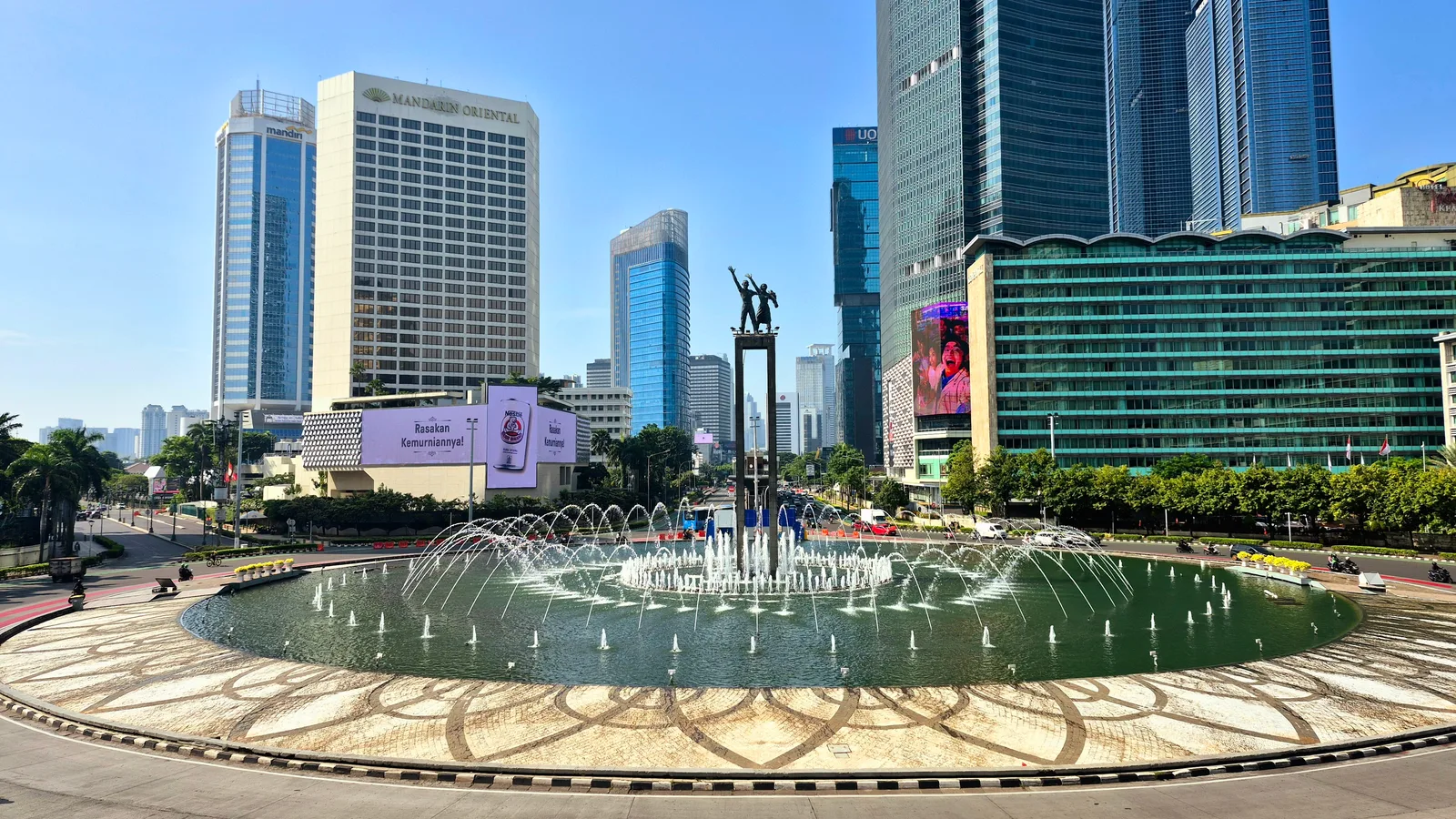 File photo
What happened
Key facts
- MSCI said on Oct 16 it was launching a consultation on a proposal to reclassify Indonesia as a Standalone Market (per CNA).
- Indonesian stocks plunged more than 11% after MSCI announced the consultation (per CNA, Reuters).
- The Jakarta Composite Index fell 8% at the open, prompting a trading halt (per CNA).
- MSCI said investors had indicated that "sufficient progress has not been observed consistently across the Indonesian equity market." (per CNA).
- MSCI cited "ongoing opacity in shareholding structures" and "continued suspected coordinated trading behaviour" as significant concerns (per CNA).
- MSCI warned that a standalone classification could force investment funds tracking its emerging-market indexes to sell Indonesian holdings (per CNA).
- MSCI said a reclassification to Frontier Markets "would not properly recognise the depth of the market problems." (per CNA).
- Authorities in Jakarta said in April they had completed reforms intended to avoid a downgrade (per CNA).
The brief
MSCI said on Oct 16 it had opened a consultation on a proposal to reclassify Indonesia from an emerging market to a Standalone Market, and the announcement sent Indonesian shares sharply lower. The Jakarta Composite Index collapsed 8% at the opening bell and triggered a trading halt, and the broader market dropped more than 11% on the day, the CNA report states. MSCI framed the move as driven by persistent concerns investors raised about market functioning. In its statement quoted by CNA, MSCI said investors had indicated that "sufficient progress has not been observed consistently across the Indonesian equity market." The index compiler named what it called specific problems, citing "ongoing opacity in shareholding structures" and "continued suspected coordinated trading behaviour" that affect price information. MSCI also said it judged that downgrading Indonesia to Frontier Markets "would not properly recognise the depth of the market problems."
CNA reported that MSCI warned the reclassification could have concrete portfolio consequences, saying a standalone classification could force investment funds that track MSCI emerging-market indexes to sell Indonesian holdings. That mechanism is what market participants cited in the sharp outflow and price moves documented in the CNA story and in related headlines. Jakarta officials offered a different uptick in their own narrative: CNA notes that authorities in Jakarta said in April they had completed reforms intended to avoid a downgrade. The CNA article does not record Jakarta's response to the Oct 16 announcement beyond that earlier claim of completed reforms. The market reaction was immediate. CNA describes the scale of the intraday move — the 8% drop at the open that halted trading and an eventual plunge of more than 11% on the day — as evidence of how index-designation risks translate into capital flows when index compilers signal potential exclusions. CNA's coverage supplies the specific investor concerns MSCI cited and the exchange-level market moves that followed. MSCI’s consultation opens a formal process; CNA's account does not specify consultation timelines, the exact funds that would be required to sell, or independent verification of the coordinated trading allegations. The article records MSCI’s judgment, the regulator claim of earlier reforms in April, and the acute market reaction reflected in the Jakarta Composite Index and the reported double-digit daily loss.
Why it matters
- Indonesian retail and institutional investors bear immediate market losses: CNA reports the Jakarta Composite Index fell 8% at the open and Indonesian stocks plunged more than 11%, directly reducing equity values held domestically.
- Index-tracking funds face a documented mechanism for forced selling: MSCI warned that a standalone classification could force funds tracking MSCI emerging-market indexes to sell Indonesian holdings, creating downward price pressure according to CNA.
- Jakarta's reform claims are at stake: CNA records that Indonesian authorities said in April they had completed reforms intended to avoid a downgrade, which conflicts with MSCI’s statement that progress "has not been observed consistently."
What to watch next
- Whether MSCI proceeds with the consultation process and its formal recommendation following the Oct 16 consultation launch.
- Whether investment funds that track MSCI emerging-market indexes begin selling Indonesian holdings in response to the consultation announcement.
- Whether Indonesian authorities publish evidence or enforcement actions addressing MSCI’s cited concerns about shareholding opacity and suspected coordinated trading behaviour.
How it's being covered
Coverage analysisShow details6 source articles · 6 unique outlets · 5 distinct reportsCoverage mix: Center Only· 4 CenterWhere the outlets are based: Global 33% · Unknown 33% · Other 34%
- Coverage is currently concentrated among Center-rated outlets (4 of 4 rated sources); comparatively few Left or Right-rated outlets have published on the event.
2 sources are from a wire service (AP, Reuters, AFP or Bloomberg), whose reporting other outlets often republish.
How outlets' accounts compare
How we got here
Immediate backdrop: in April 2026 Indonesian regulators told investors they had completed a package of market-structure and transparency reforms designed to avert an index downgrade (statement by Indonesia’s Capital Market Supervisory Board, April 2026).
Before that, MSCI had promoted Indonesia from Frontier to Emerging Market status in November 2018 under its Market Classification Framework, a move that MSCI said at the time (November 2018) would increase passive-fund allocations to Jakarta-listed stocks.
Original sources
1 of 6 articles · Europe · Show allEvery story links to the reporting it was built from. How we choose sources
Spotted a factual error, a broken link or a misleading summary? Tell us.