
Hotter U.S. inflation sends Nasdaq futures down more than 1% and triggers biggest one-day drop since July
Hotter-than-expected U.S. inflation data pushed Nasdaq futures down more than 1%, sending the Nasdaq and S&P 500 to their biggest one-day drop since July. Traders priced in a higher chance of a near-term Federal Reserve rate hike, and weak guidance from TSMC plus losses at AI-related firms deepened the selloff.
AI-assisted synthesis · Based on 4 independent reports from 5 outlets · Full text read from 1 of 4 reportsHow it's made
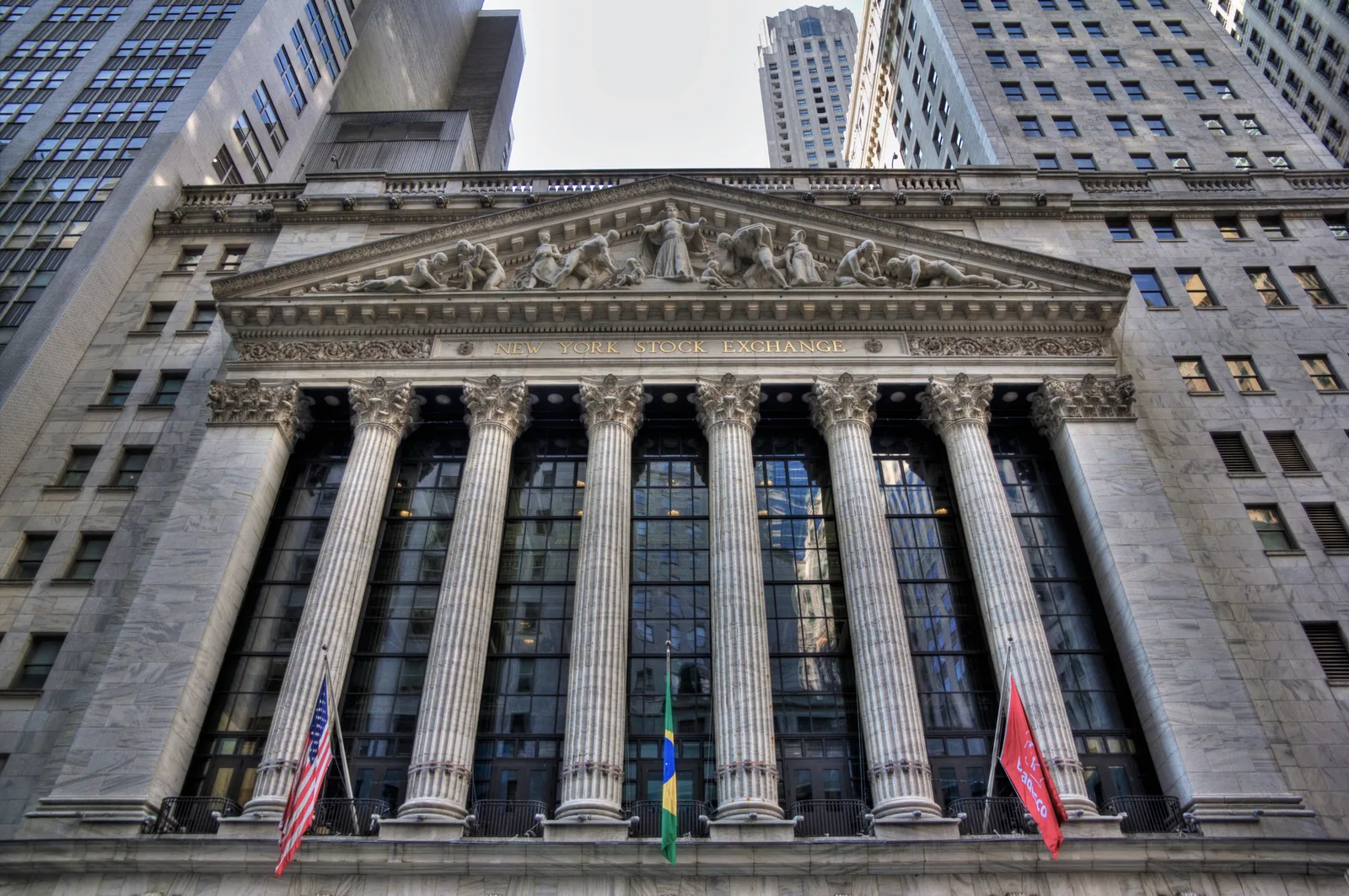 File photo
What happened
Key facts
- Nasdaq futures fell more than 1% following the U.S. inflation report (per The Globe and Mail).
- AI-related stocks and companies tied to data-center capacity, including CoreWeave, fell sharply in premarket trading with CoreWeave down another 6.3% after a 15% drop the prior trading day (per The Globe and Mail).
The brief
Hotter-than-expected U.S. inflation readings roiled markets, pushing Nasdaq futures down more than 1% and driving the Nasdaq and S&P 500 to their largest single-day declines since July, The Globe and Mail reported.
Investors reassessed interest-rate prospects after the inflation release, and a widely used Fed probability tool cited in the article showed the market pricing a 27% chance of a Federal Reserve rate hike later this month, up from 20% a week earlier. The Globe and Mail said the selloff cut across technology and artificial-intelligence linked names.
The article highlighted moves in AI-related companies and data-centre operators as particularly severe, noting that CoreWeave fell another 6.3% in premarket trading after dropping about 15% on the prior trading day.
That weakness came even as Anthropic disclosed a 45% quarter-over-quarter rise in third-quarter revenue, a result the paper said failed to restore investor confidence. Chipmaker TSMC also weighed on sentiment, according to The Globe and Mail, by striking a cautious tone for its 2027 outlook despite reporting its sixth consecutive record quarterly profit.
The combination of hotter inflation, growing odds of renewed Fed tightening implied by CME Group’s FedWatch readings, and worries about funding for AI infrastructure were presented in the article as intersecting pressures on tech stocks.
The Globe and Mail described traders' concern that higher interest rates could reduce the pace of AI infrastructure spending, quoting a Jefferies strategist, Mohit Kumar, who said a slowdown in AI infrastructure build-out would imply a sharp slowdown in U.S. growth expectations and noting Jefferies planned to reduce exposure ahead of the midterm election.
The paper singled out CoreWeave as a heavily indebted data-centre operator at the centre of market concern. The article framed the market moves as driven by a mix of macro data and company-specific signals: the inflation print shifted rate expectations, TSMC’s cautious guidance fed growth worries, and mixed revenue news from AI companies failed to reassure investors.
Reuters and other outlets ran headlines noting similar market moves, which The Globe and Mail cited as part of a broader selloff in AI-linked names. Today’s price action illustrates how macro surprises and sectoral funding fears can combine to unsettle tech-heavy indices.
The Globe and Mail’s account emphasizes that even growth in AI revenue does not automatically protect firms from market reactions to changing rate expectations and debt concerns in the data-centre space.
Why it matters
- Household and institutional investors exposed to U.S. tech stocks face marked portfolio losses as the Nasdaq and S&P 500 posted their largest one-day drops since July, amplifying market volatility tied to interest-rate expectations.
- Companies dependent on AI infrastructure funding, including CoreWeave and other data-centre operators, bear concrete financial pressure as investors price in slower AI build-out; CoreWeave’s premarket declines (6.3% after a prior 15% drop) illustrate market punishment for leverage and weak growth visibility.
- TSMC’s cautious guidance for 2027 threatens chip supply-chain sentiment and revenue forecasts for firms that rely on advanced semiconductors, with the company’s sixth consecutive record quarterly profit doing little to calm investor anxiety.
- Market participants who trade on Fed probability tools and short-term rate expectations are positioned for higher near-term policy risk, as reflected in the CME Group FedWatch reading cited at 27% for a rate hike this month.
What to watch next
- Whether the Federal Reserve announces or signals a change in policy that aligns with the increased market-implied 27% chance of a rate hike shown by CME Group’s FedWatch tool.
- Whether TSMC issues further updates to its 2027 guidance or subsequent quarterly reports that change investor sentiment about chip-sector growth.
- Whether AI firms and data-centre operators such as CoreWeave report earnings or guidance that reverse or deepen current investor concerns about leverage and funding for AI infrastructure.
How it's being covered
Coverage analysisShow details5 source articles · 5 unique outlets · 3 distinct reportsCoverage mix: Center Only· 3 CenterWhere the outlets are based: US/Canada 40% · Global 40% · Other 20%
- Coverage is currently concentrated among Center-rated outlets (3 of 3 rated sources); comparatively few Left or Right-rated outlets have published on the event.
One source is from a wire service (AP, Reuters, AFP or Bloomberg), whose reporting other outlets often republish.
How outlets' accounts compare
How we got here
The immediate backdrop was the Federal Reserve’s tightening cycle that began after March 2022, when the Federal Open Market Committee resumed raising the federal funds rate following pandemic-era emergency policy.
The market sensitivity to monthly price data traces to the Consumer Price Index releases, which investors have treated as rate-path signals since the inflation surge of 2021–2022 (CPI spikes documented in 2021–2022).
Original sources
1 of 5 articles · Asia · Show allEvery story links to the reporting it was built from. How we choose sources
Spotted a factual error, a broken link or a misleading summary? Tell us.