
Nasdaq futures slipped as oil rose and key earnings approached, Reuters headlines say
Nasdaq futures fell as oil prices rose, with key earnings approaching, according to Reuters headlines. A separate market update from KSL said Wall Street’s main indexes moved higher on Tuesday as oil prices softened and healthcare shares climbed.
AI-assisted synthesis · Based on 4 independent reports from 6 outlets · Article text read from 1 of 4 reportsHow it's made
View timeline · 4 entries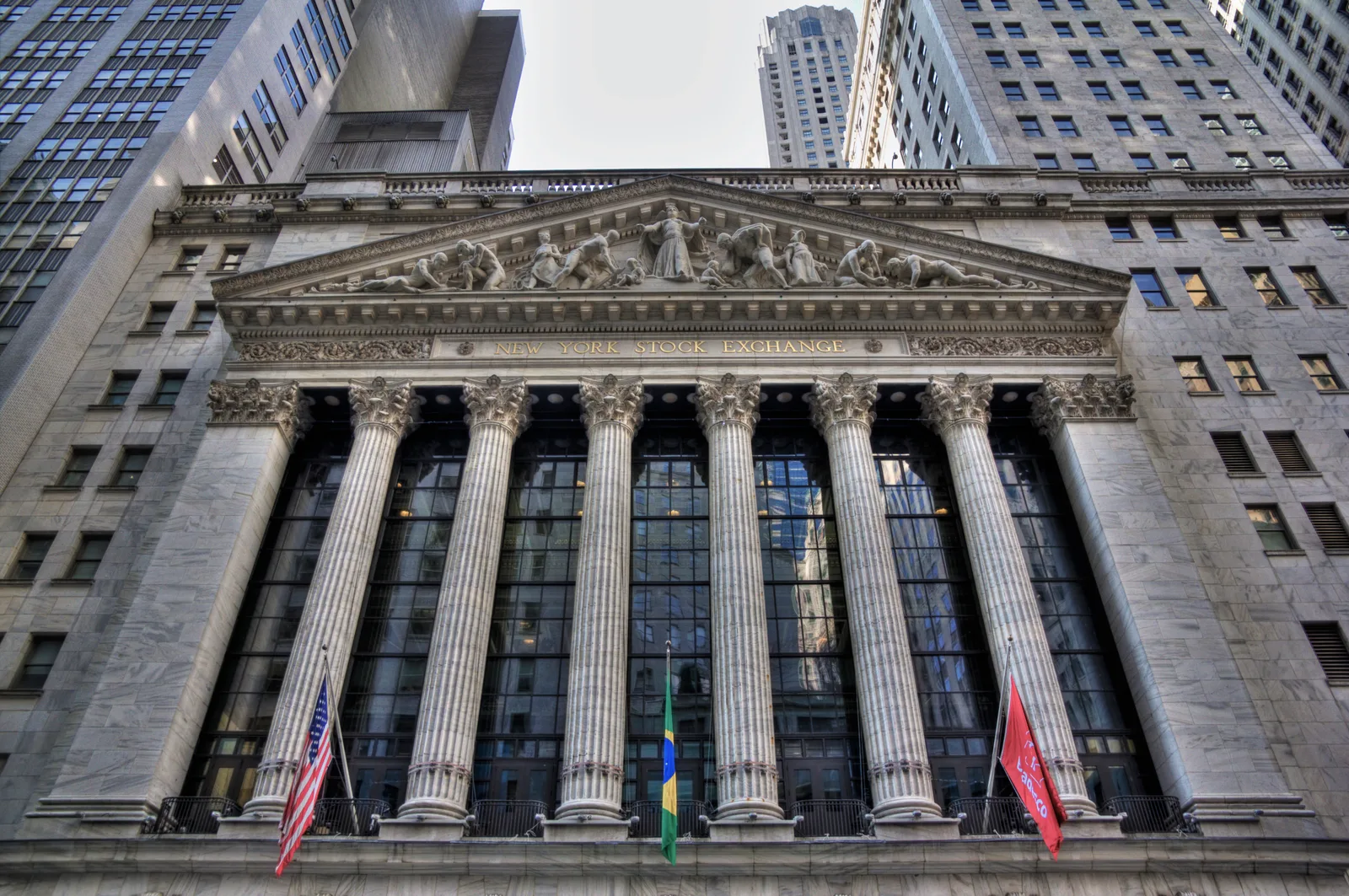 File photo
What happened
Key facts
- The headlines report that Nasdaq futures fell or slipped as oil prices rose and key earnings approached (per investing.com, mezha.net, Reuters).
- KSL reported that Wall Street’s main indexes moved higher on Tuesday as healthcare stocks surged and oil prices softened (per ksl.com).
The brief
Nasdaq futures fell as oil prices rose and key earnings approached, according to headlines from Reuters, Investing.com, TradingView, The Globe and Mail and Mezha.net. Those headlines describe a weaker premarket outlook for the Nasdaq, with Reuters and the other listed outlets linking the move in their headlines to higher oil prices and approaching earnings.
KSL’s account of Tuesday’s broader U.S. market session showed a different direction for the main indexes: they moved higher as healthcare shares surged and oil prices eased. Brent crude dropped 1.1% after reaching a five-month high during a choppy session.
KSL said traders were weighing Houthi attacks on Saudi infrastructure and reports of vessel attacks in the Gulf as they assessed oil trading. Most S&P 500 sectors advanced, and healthcare reached an all-time high. Large pharmaceutical companies led the gains: Eli Lilly climbed 4.7% to a record, while Amgen, Pfizer, Johnson & Johnson and AbbVie each rose more than 2%.
The strength in healthcare was a notable counterpoint to the weakness implied by the Nasdaq futures headlines. Losses were concentrated in energy and communication services, according to KSL. Energy led the declining sectors, while Meta Platforms slipped about 2%, pulling communication services lower.
The account did not provide a separate numerical change for the energy sector or the communication services sector as a whole. Company-specific moves also stood out. 3M gained 5% after saying it would broaden its data-center partnership with Amazon; it also issued an Amazon subsidiary a warrant to purchase more than $521 million in 3M common stock.
Equifax advanced 11.4% after reporting third-quarter profit above analysts’ estimates. The market snapshot therefore combined rising Nasdaq futures concerns in the headlines with gains across Wall Street’s main indexes in KSL’s Tuesday account.
The headlines point to oil and upcoming earnings as relevant to the futures move; KSL reported that oil prices instead declined during its account of the session. The available reporting does not establish whether the futures headlines and the Tuesday market session refer to the same trading moment.
Why it matters
- The futures headlines identify rising oil prices as part of the Nasdaq’s premarket pressure, while KSL reported Brent fell 1.1% during Tuesday’s session.
- Healthcare shares offered a counterpoint in KSL’s market account: the sector reached an all-time high, with Eli Lilly up 4.7% and four other named drugmakers each gaining more than 2%.
- KSL reported that energy stocks led sector losses and Meta Platforms fell about 2%, pulling communication services lower.
- Corporate results and announcements coincided with sharp individual moves: Equifax gained 11.4% after profit exceeded analysts’ estimates, and 3M rose 5% after expanding its Amazon partnership.
What to watch next
- Whether Nasdaq futures continue to move alongside oil prices, the relationship emphasized in the headlines.
- The key earnings approaching, which the Nasdaq futures headlines identify as a market focus.
- Whether Brent crude continues to trade around the five-month high it touched before falling 1.1%, as reported by KSL.
- Whether the healthcare and company-specific gains reported by KSL persist in subsequent market trading.
How it's being covered
Coverage analysisShow details6 source articles · 6 unique outlets · 4 distinct reportsOutlet political mix: Center Only· 6 CenterWhere the outlets are based: Global 50% · US/Canada 33% · Other 17%
- Coverage is currently concentrated among Center-rated outlets (6 of 6 rated sources); comparatively few Left or Right-rated outlets have published on the event.
One source is from a wire service (AP, Reuters, AFP or Bloomberg), whose reporting other outlets often republish.
How outlets' accounts compare
Timeline
Developments from this story's sources, dated background we compiled and fact-checked, and our earlier coverage. Each row says which.- Nasdaq began operating as an electronic stock market.Background · compiled and fact-checked by Updat3
- Arab members of OPEC announced an oil embargo against the United States and other countries.Background · compiled and fact-checked by Updat3
- In 1983, the New York Mercantile Exchange introduced futures contracts for West Texas Intermediate crude, giving market participants a standardized way to trade against expected future prices.Background · from our historical context
- Nasdaq introduced the Nasdaq-100 index.Background · compiled and fact-checked by Updat3
How we got here
On the preceding Tuesday, Wall Street’s main indexes rose as healthcare shares advanced and oil prices eased, according to KSL; the supplied account does not give that session’s calendar date. The Nasdaq-100, a benchmark for major nonfinancial companies listed on Nasdaq, was introduced in 1985; Nasdaq itself began operating as an electronic stock market in 1971.
In October 1973, Arab members of OPEC announced an oil embargo against the United States and other countries, and the ensuing supply shock helped make oil availability and price a central concern for governments and investors.
Original sources
6 articles from 6 outletsEvery story links to the reporting it was built from. How we choose sources
Spotted a factual error, a broken link or a misleading summary? Tell us.