
Navy moves to adopt Trump’s ‘super intelligence’ label
Donald Trump announced that government agencies would stop using “artificial intelligence” and adopt “super intelligence,” and the Navy became one of the first military services to avoid the former term. Trump later warned that people using the old label would be branded “THE ENEMY!”
AI-assisted synthesis · Based on 3 outlets' reporting · Article text read from 2 of 3 outletsHow it's made
View timeline · 7 entries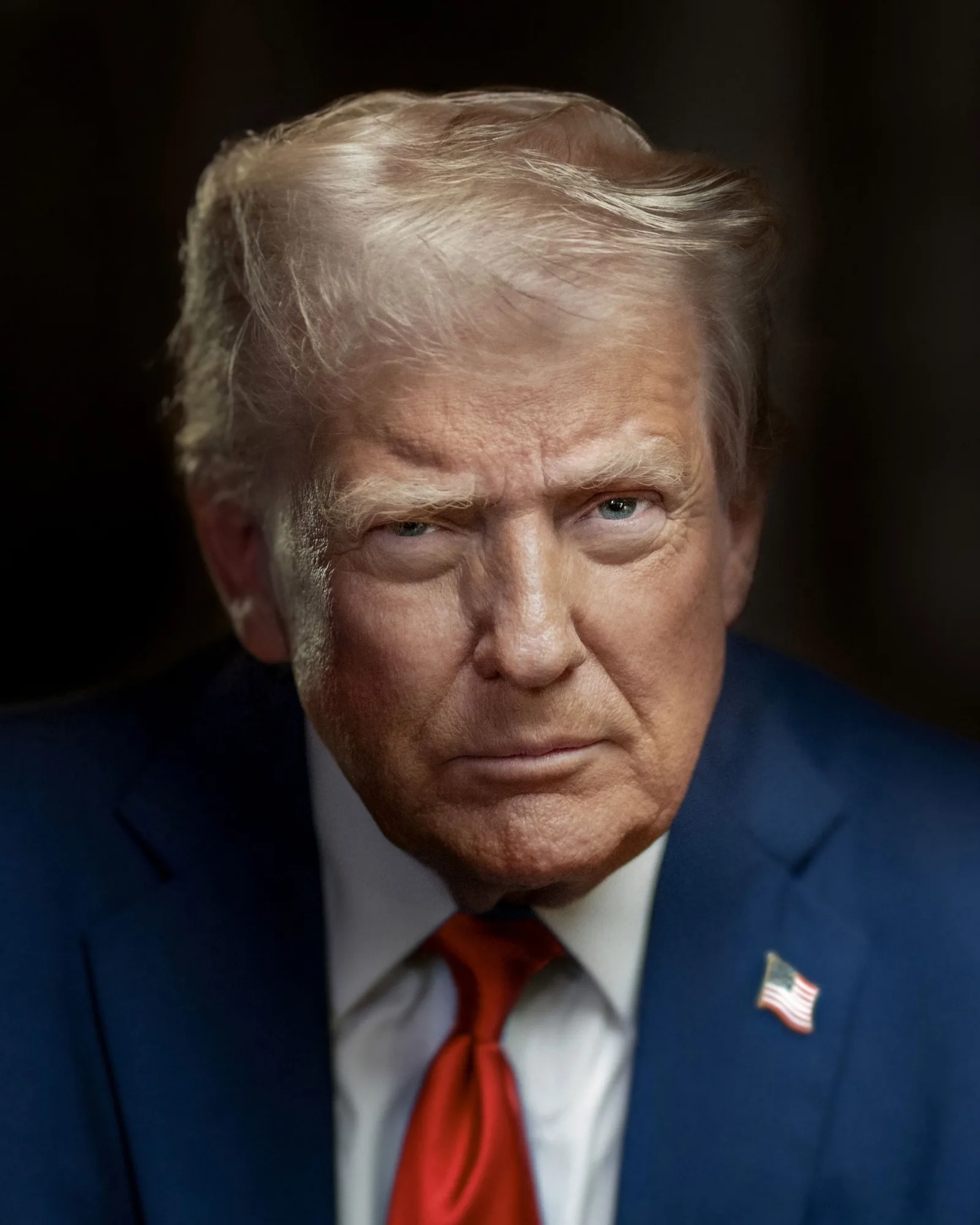 File photo
What happened
Key facts
- Donald Trump announced that “artificial intelligence” would be replaced by “super intelligence.” (per navytimes.com, Time).
- Trump later posted that people using the former term would be branded “THE ENEMY!” (per navytimes.com).
- The Navy was among the first military services to avoid the term “artificial intelligence.” (per navytimes.com).
The brief
The Navy has begun avoiding the term “artificial intelligence” as the U.S. government adopts President Donald Trump’s preferred label, “super intelligence.” Trump announced the terminology change, and the Navy was among the first military services to use the replacement.
Trump’s executive order framed the change as reflecting advances in capability, saying they represent a new era of “Super Intelligence.” He followed the announcement with a Truth Social post warning that people who continued to use the previous term would be branded “THE ENEMY!” The Navy’s move is the clearest documented implementation in the military services.
Under a Navy memo, echelon II commanders, type commanders and systems commanders must review public releases, intranet portals and external presentations for compliance. The review is due no later than 30 days after the memo’s release. The requirement therefore covers both outward-facing communications and internal online material, as well as presentations delivered externally.
TIME describes the change as a Trump initiative aimed at replacing “artificial intelligence” across government agencies, which it says will no longer recognize the term “AI.” TIME also points to the term’s long use—more than 70 years—as relevant context for the breadth of the proposed shift.
The Navy Times account, by contrast, details the service’s compliance process and Trump’s warning about continued use of the old label. The outlets emphasize different aspects of the policy.
The Navy Times reports the Navy’s early adoption and the commanders’ review obligations, while TIME frames the move as a government-wide rebranding and raises concerns about precision in describing AI. TIME argues that accuracy matters, citing warnings about frontier models becoming difficult to evaluate in settings where they believe they are not being watched.
Trump’s stated rationale, as reflected in the executive-order language, is that improving capabilities merit a new term. TIME’s commentary stresses that changing terminology does not resolve questions about the technology’s accuracy or evaluation.
The coverage documents a naming policy and communications review, alongside that broader debate over how AI systems should be described and assessed.
Why it matters
- Navy commanders must review public releases, intranet portals and external presentations, making the terminology change a compliance issue across several communications channels.
- The review obligation applies to echelon II commanders, type commanders and systems commanders, creating a defined set of Navy offices responsible for checking materials.
- Trump’s warning that users of the former term would be branded “THE ENEMY!” gives the naming shift a political consequence beyond routine style guidance.
- TIME raises a technical concern: frontier models may be harder to evaluate in contexts where they believe they are not being watched.
What to watch next
- Whether the Navy continues to avoid “artificial intelligence” in public releases, intranet portals and external presentations.
- Whether government agencies implement the stated policy of no longer recognizing “AI.”
- Whether the terminology debate changes how agencies describe or assess frontier models.
How it's being covered
Coverage analysisShow details3 source articles · 3 unique outletsOutlet political mix: Center Only· 3 CenterWhere the outlets are based: US/Canada 67% · Unknown 33%
- Coverage is currently concentrated among Center-rated outlets (3 of 3 rated sources); comparatively few Left or Right-rated outlets have published on the event.
How outlets' accounts compare
1 framing difference · 3 uncorroborated claims- Navy Times emphasizes the Navy’s early adoption and the memo’s review requirements; TIME presents the change as a government-wide rebranding and discusses concerns about accuracy and model evaluation.
- Trump’s executive order described the capabilities as representing a new era of “Super Intelligence.”
- Trump warned that people using the former term would be branded “THE ENEMY!”
- TIME says the term “AI” has been in use for more than 70 years.
Timeline
Developments from this story's sources, dated background we compiled and fact-checked, and our earlier coverage. Each row says which.- In 1956, computer scientist John McCarthy used “artificial intelligence” as the name of a Dartmouth College research project, helping establish the term in academic and public use.Background · from our historical context
- In April 2017, the Defense Department launched the project to apply machine-learning tools to the analysis of imagery and video.Background · from our historical context
- In 2018, the Pentagon created the Joint Artificial Intelligence Center to accelerate military AI projects and coordinate their development across the services.Background · from our historical context
- In 2019, the Navy had established an AI task force to coordinate work on the technology.Background · from our historical context
- In 2020, the department adopted ethical principles for AI, including requirements for responsible, traceable and reliable use.Background · from our historical context
- In 2020, the Department of the Navy issued its Data, Analytics and Artificial Intelligence Adoption Strategy, setting out how the service would use data and AI in naval operations and administration.Background · from our historical context
- Donald Trump was inaugurated for a second, non-consecutive term as U.S. president.Background · compiled and fact-checked by Updat3
How we got here
In 2020, the Department of the Navy issued its Data, Analytics and Artificial Intelligence Adoption Strategy, setting out how the service would use data and AI in naval operations and administration. In 2019, the Navy had established an AI task force to coordinate work on the technology.
Those initiatives made “artificial intelligence” part of the Navy’s established policy vocabulary before the later dispute over what to call it. The Navy’s efforts formed part of a wider Defense Department program. In 2018, the Pentagon created the Joint Artificial Intelligence Center to accelerate military AI projects and coordinate their development across the services.
Original sources
3 articles from 3 outletsEvery story links to the reporting it was built from. How we choose sources
Spotted a factual error, a broken link or a misleading summary? Tell us.