
NCAA challenges DeWine’s eligibility order in federal court
The NCAA filed a federal lawsuit challenging Ohio Gov. Mike DeWine’s order allowing athletes from the Class of 2022 a fifth season of eligibility. The NCAA says the order could give Ohio schools a competitive advantage over schools following its national eligibility rules.
AI-assisted synthesis · Based on 4 outlets' reporting · Full text read from 2 of 4 outletsHow it's made
View timeline · 2 entries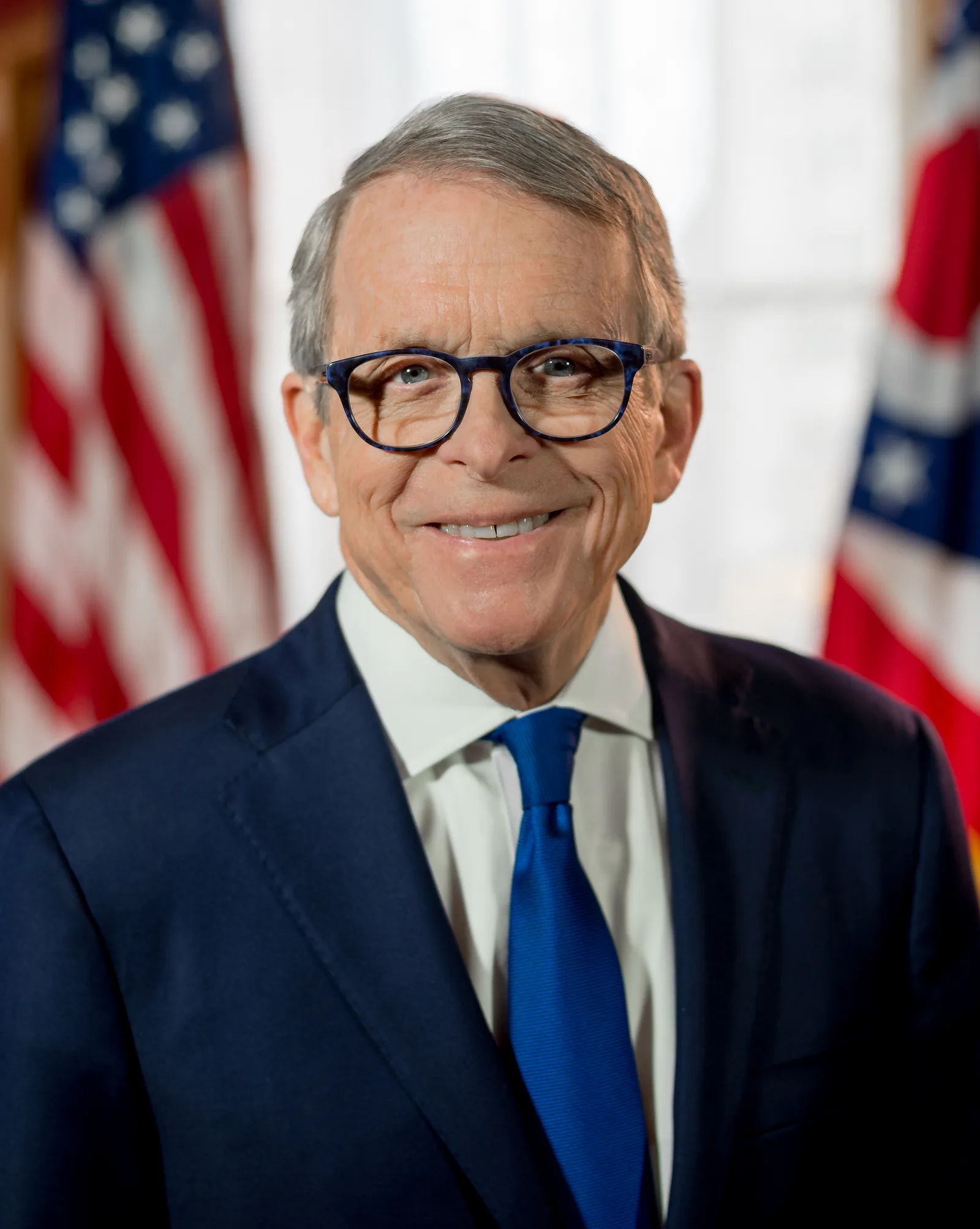 File photo
What happened
Key facts
- DeWine’s executive order allows student-athletes from the Class of 2022 to have a fifth year of eligibility (per iheart.com).
- The NCAA’s rules passed in June exclude athletes who have already played four seasons from a fifth season (per iheart.com, tampafp.com).
- The NCAA argued that DeWine’s order could give Ohio schools a competitive advantage over schools following national eligibility rules (per iheart.com, tampafp.com).
- The Ohio Supreme Court paused an appeals court ruling that found the Class of 2022 athletes ineligible and requested briefs from both sides by the following Monday (per iheart.com).
- The order has affected ongoing eligibility proceedings, including basketball player Filip Borovićanin’s request for a fifth year (per iheart.com).
The brief
The NCAA has sued Ohio Gov. Mike DeWine in federal court over an executive order allowing student-athletes from the Class of 2022 to seek a fifth season of eligibility. The filing challenges the order’s effect on national eligibility rules and asks a federal judge to intervene, according to the reports. The NCAA argues that the order gives Ohio schools an advantage over programs that follow its eligibility limits. The organization’s rules, passed in June, exclude athletes who have already played four seasons from a fifth season, according to 55KRC. The NCAA said that if governors or state courts can change eligibility rules for particular schools, maintaining a level playing field would become impossible. NCAA President Charlie Baker called bringing the lawsuit an “extraordinary step.”
DeWine’s order applies to student-athletes from the Class of 2022. The NCAA’s framework, as described by Tampa Free Press, sets a five-year eligibility window beginning on an athlete’s 19th birthday or initial college enrollment, whichever occurs first. The dispute therefore concerns the order’s relationship to NCAA-wide limits and who sets the rules governing eligibility at Ohio colleges. The NCAA filed its lawsuit in the Southern District of Ohio on Friday, October 16. Tampa Free Press reports that the complaint asks a judge to strike down Executive Order 2026-04D before it takes effect in competition. The report describes the filing as an effort to stop colleges from bypassing national athletic eligibility limits; the NCAA’s stated concern, also reported by 55KRC, is the competitive advantage it believes the order could give Ohio schools. The federal case comes as eligibility questions are also before Ohio courts. 55KRC reports that the Ohio Supreme Court paused an appeals court ruling finding the Class of 2022 athletes ineligible and asked both sides to submit briefs by the following Monday. That account also identifies basketball player Filip Borovićanin as among those whose eligibility proceedings have been affected by the order. Tampa Free Press describes an earlier state-court sequence: a county judge granted players an injunction, and the Ohio First District Court of Appeals overturned it on October 2. The federal suit now places the NCAA’s challenge to DeWine’s order before a federal court while the Ohio Supreme Court has intervened in the state-court proceedings. The reports do not establish a final resolution of the athletes’ eligibility or a ruling on the federal complaint.
Why it matters
- Class of 2022 student-athletes seeking a fifth season face eligibility rules that could exclude those who have already played four seasons.
- Ohio schools could receive a competitive advantage if the order lets their athletes compete beyond the NCAA’s limits, according to the NCAA.
- The NCAA’s five-year framework starts at an athlete’s 19th birthday or initial college enrollment, whichever occurs first, while DeWine’s order addresses a fifth season for the Class of 2022.
- Basketball player Filip Borovićanin’s request for a fifth year is among the eligibility proceedings affected by the order.
What to watch next
- Whether the Southern District of Ohio acts on the NCAA’s request to strike down Executive Order 2026-04D.
- Whether the Ohio Supreme Court issues a further decision after requesting briefs from both sides by the following Monday.
- How the Ohio Supreme Court’s pause of the appeals court ruling affects the eligibility proceedings, including Filip Borovićanin’s request.
- Whether the federal court addresses the NCAA’s argument that DeWine’s order gives Ohio schools a competitive advantage.
How it's being covered
Coverage analysisShow details9 source articles · 4 unique outletsCoverage mix: Mostly Center· 2 Center · 1 RightWhere the outlets are based: Unknown 100%
- Coverage is currently concentrated among outlets based in Unknown (4 of 4 geographically-identified sources).
One source is from a wire service (AP, Reuters, AFP or Bloomberg), whose reporting other outlets often republish.
How outlets' accounts compare
2 framing differences · 3 uncorroborated claims · 3 information gaps- 55KRC emphasizes the NCAA’s claim that DeWine’s order could give Ohio schools an unfair competitive advantage and calls attention to its impact on Filip Borovićanin’s eligibility proceedings.
- Tampa Free Press characterizes the order as directing colleges to bypass national eligibility limits and details the request to block Executive Order 2026-04D before it takes effect in competition.
- The NCAA attributes a potential competitive advantage for Ohio schools to DeWine’s order; the reports do not provide a separate account from DeWine.
- The NCAA said that allowing governors or state courts to change eligibility rules for particular schools would make it impossible to maintain a level playing field.
- NCAA President Charlie Baker called filing suit an “extraordinary step.”
- The reports do not give a total number of athletes or Ohio schools affected by the order.
- The reports do not specify how many athletes have already played four seasons or quantify any competitive advantage.
- The reports do not establish whether the federal court will grant the NCAA’s request or how the order will ultimately affect athlete eligibility.
Timeline
Developments from this story's sources, dated background we compiled and fact-checked, and our earlier coverage. Each row says which.- In March 2020, the NCAA canceled its Division I men’s and women’s basketball tournaments and granted eligibility relief to athletes whose spring seasons were cut short.Background · from our historical context
- In August 2020, the NCAA also approved a blanket waiver for Division I fall-sport athletes, so the 2020-21 season would not count against their eligibility.Background · from our historical context
How we got here
NCAA Division I’s ordinary eligibility framework generally allows athletes four seasons of competition within a five-year period, under the association’s bylaws.
In Ohio, the immediate legal backdrop included a state appeals-court ruling that class-of-2022 athletes who had used four seasons were ineligible, and a challenge by basketball player Filip Borovićanin seeking another season; the Ohio Supreme Court later paused the appeals ruling while it considered the dispute.
Original sources
9 articles from 4 outlets · Unknown · Show allEvery story links to the reporting it was built from. How we choose sources
Spotted a factual error, a broken link or a misleading summary? Tell us.