
Trump warns replacing Netanyahu could leave US to face Tehran alone
Benjamin Netanyahu said he and Donald Trump would work together to complete the mission against Iran after Trump endorsed him. Trump warned that replacing Netanyahu could leave the United States to face Tehran without the same support, according to Breitbart.
AI-assisted synthesis · Based on 4 outlets' reporting · Article text read from 1 of 4 outlets · 1 article captured only in partHow it's made
View timeline · 14 entries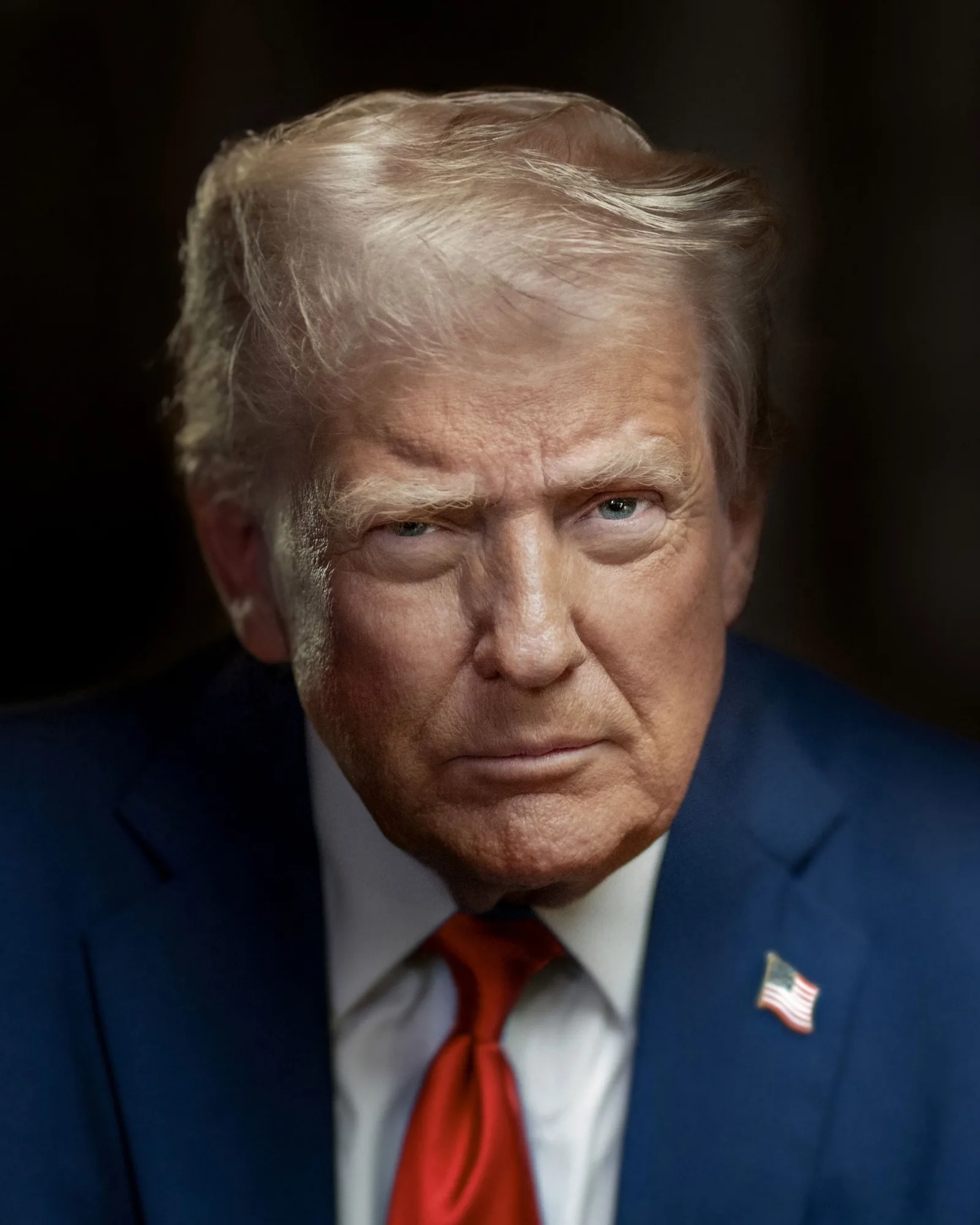 File photo
What happened
Key facts
- Netanyahu said there had never been a greater friend of Israel in the White House (per Breitbart).
- Netanyahu praised Trump's conviction, clarity and courage (per Breitbart).
- Netanyahu said Trump was focused on removing a threat to current and future generations of Americans (per Breitbart).
- Trump warned that replacing Netanyahu could leave the United States to confront Tehran alone (per Breitbart, iranintl.com).
- Asked whether he could work with another Israeli leader, Trump said, “Maybe I will, maybe I won’t. Who wants to take the chance?” (per Breitbart).
- Trump said Israel needed a leader it could count on (per Breitbart).
- Trump compared the threat to cancer and said it would not end while the regime remained in place (per Breitbart).
The brief
Benjamin Netanyahu pledged to work with Donald Trump to complete the mission against Iran after the U.S. president endorsed him, according to Breitbart. Netanyahu thanked Trump on X and called the endorsement “extraordinary,” describing Trump as a close friend and saying Israel had never had a greater friend in the White House. Netanyahu framed the partnership around what he called an ongoing threat. He praised Trump’s conviction, clarity and courage, and said the president was focused on removing that threat for current and future generations of Americans. Netanyahu’s statement presented cooperation with Trump as central to the effort he said remained unfinished. Trump, in turn, argued that Netanyahu’s leadership mattered to the United States. He warned that a different Israeli leader could leave the United States to confront Tehran alone and said Israel needed someone it could count on. Asked whether he could work with another Israeli leader, Trump answered: “Maybe I will, maybe I won’t. Who wants to take the chance?”
Trump also described the threat in stark terms, comparing it to cancer and saying it would continue as long as the regime remained in place. That was Trump’s characterization; Breitbart’s account does not provide further detail about the threat or explain what completing the mission would involve. The remarks linked Trump’s endorsement of Netanyahu to their stated cooperation on Iran. Netanyahu expressed appreciation for Trump’s support, while Trump made the case that continuity in Israel’s leadership would matter to U.S. policy toward Tehran. Neither statement, as reported by Breitbart, specified a particular next step or timetable for the mission. The exchange also placed the endorsement in the context of Israel’s election, which Breitbart described as approaching. Trump’s question about working with another Israeli leader underscored that he had not committed to doing so; his answer left open whether he would support or cooperate with someone else. Netanyahu’s pledge, meanwhile, was a stated intention to continue working with Trump against Iran.
Why it matters
- Netanyahu and Trump publicly tied their relationship to the stated effort against Iran, with Netanyahu describing the mission as unfinished.
- Trump’s warning connected Netanyahu’s continued leadership with whether the United States might face Tehran without the same partnership.
- Netanyahu identified Americans, including future generations, as people he said the effort was meant to protect from a threat.
What to watch next
- Whether Trump says he would endorse or work with another Israeli leader; he left that possibility open when asked.
- Whether Netanyahu or Trump specifies what completing the mission against Iran would entail.
- Whether the two leaders announce a concrete next step in the cooperation Netanyahu described.
How it's being covered
Coverage analysisShow details4 source articles · 4 unique outletsOutlet political mix: Mostly Right· 1 Center · 3 RightWhere the outlets are based: US/Canada 50% · Global 25% · Other 25%
- Coverage is currently concentrated among Right-rated outlets (3 of 4 rated sources); comparatively few Left-rated outlets have published on the event.
One source is from a wire service (AP, Reuters, AFP or Bloomberg), whose reporting other outlets often republish.
How outlets' accounts compare
Timeline
Developments from this story's sources, dated background we compiled and fact-checked, and our earlier coverage. Each row says which.- Earlier roots of Iranian distrust of Washington include the August 19, 1953, coup organized by US and British intelligence that removed Prime Minister Mohammad Mosaddegh and strengthened the Shah’s rule.Background · from our historical context
- The Iranian Revolution overthrew the Shah and established the Islamic Republic.Background · compiled and fact-checked by Updat3
- Hezbollah, founded in Lebanon in 1982 with Iranian support, became part of the regional network through which Iran developed deterrence against Israel.Background · from our historical context
- Benjamin Netanyahu first became Israel’s prime minister.Background · compiled and fact-checked by Updat3
- Iran and six world powers agreed to the Joint Comprehensive Plan of Action.Background · compiled and fact-checked by Updat3
- On May 8, 2018, President Donald Trump announced that the United States would withdraw from the agreement and restore sanctions.Background · from our historical context
- Iran began exceeding the agreement’s nuclear limits in 2019, saying its steps answered the US withdrawal.Background · from our historical context
- Donald Trump publicly backed Benjamin Netanyahu’s re-election campaign.Background · compiled and fact-checked by Updat3
- Iran launched drones and missiles at Israel.Background · compiled and fact-checked by Updat3
- Israel struck Iranian military targets.Background · compiled and fact-checked by Updat3
- Donald Trump was inaugurated for a second term as president.Background · compiled and fact-checked by Updat3
- On February 28, 2026, the United States and Israel launched coordinated strikes on Iran, targeting power plants, air defenses and military infrastructure.Background · from our historical context
- Donald Trump said the United States should stay out of Israel’s election, while leaving open the possibility of endorsing a candidate.Background · compiled and fact-checked by Updat3
- The war that began with those strikes was ongoing by October 2026.Background · from our historical context
How we got here
On February 28, 2026, the United States and Israel launched coordinated strikes on Iran, targeting power plants, air defenses and military infrastructure. The war that began with those strikes was ongoing by October 2026. The two governments described their actions as defensive; Iran has warned of a response.
The strikes followed direct exchanges between Iran and Israel in 2024: Iran launched drones and missiles at Israel on April 13–14, and Israel struck Iran on April 19. Iran launched another missile attack on October 1; Israel struck Iranian military targets on October 26.
Original sources
2 of 4 articles · US/Canada · Show allEvery story links to the reporting it was built from. How we choose sources
Spotted a factual error, a broken link or a misleading summary? Tell us.