
Netanyahu says Iran may use regional proxies to disrupt Israel’s October 27 election
Netanyahu said Iran might seek to disrupt Israel’s October 27 election through regional proxies, describing a possible security threat to the vote.
AI-assisted synthesis · Based on 4 outlets' reporting · Article text read from 1 of 4 outletsHow it's made
View timeline · 18 entries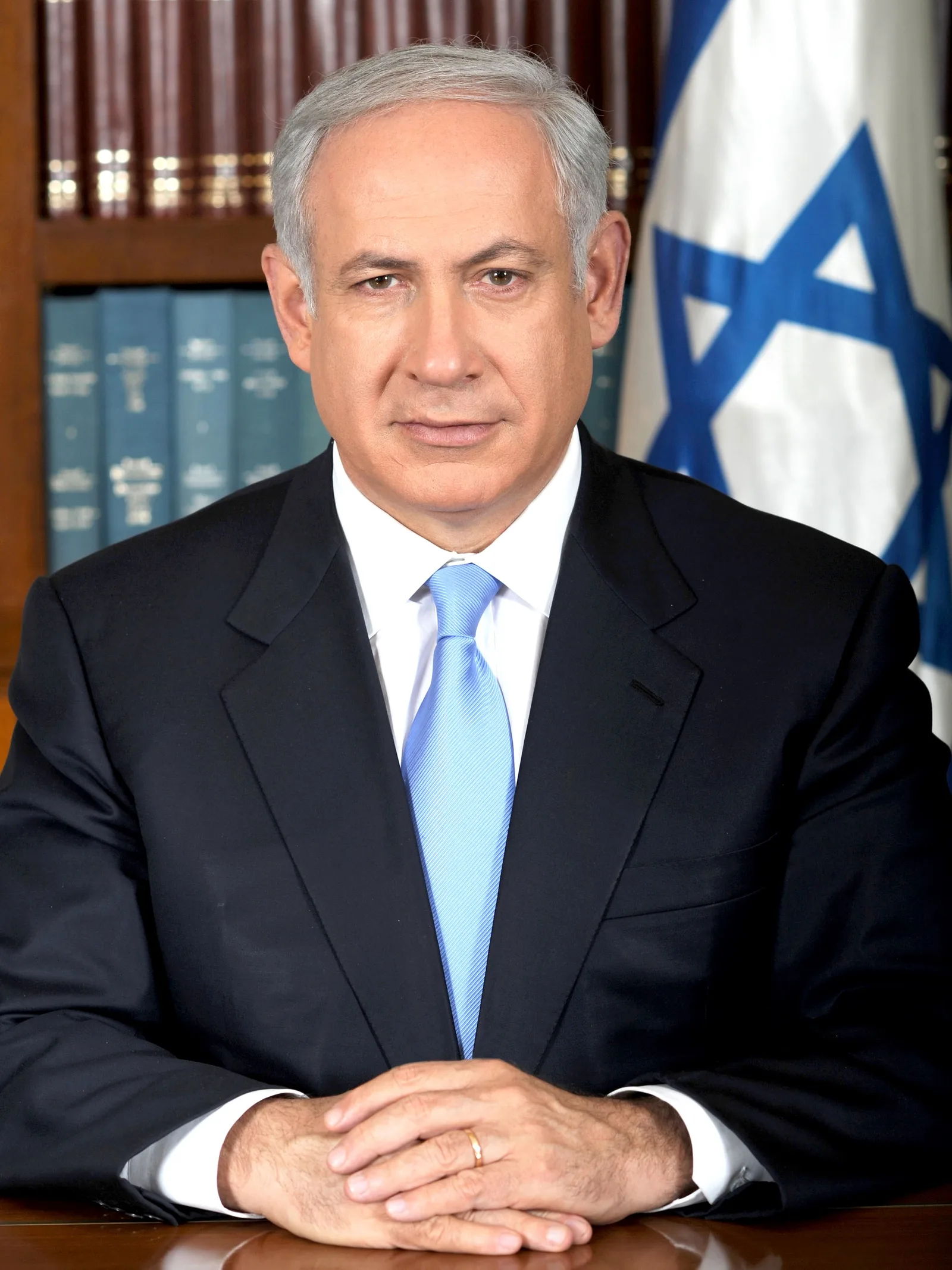 File photo
What happened
The brief
Benjamin Netanyahu warned that Iran may try to influence Israel’s October 27 parliamentary election by arranging security incidents through regional proxies, according to World Israel News.
He said Israeli intelligence had identified signs that Tehran was preparing to affect the vote, but the warning describes a possible effort rather than confirming that an attack or election interference has occurred. Netanyahu said the potential attacks could be intended to undermine public confidence in his government’s security achievements.
World Israel News reported that he based his warning on intelligence obtained by the Mossad. The account does not detail the intelligence or identify a specific planned incident. Netanyahu made the remarks in interviews with i24NEWS a week before Israelis were due to vote. He said the signs suggested an attempt to interfere was likely.
His statement concerned Israel’s parliamentary election, which the article identifies as scheduled for October 27. Netanyahu also said he had issued a directive to the Mossad and the IDF regarding the threat. The article does not describe what measures the directive calls for, or report any action taken under it.
It therefore records Netanyahu’s stated instruction, not a confirmed operational step by either agency. The Jerusalem Post headline characterizes Iran and its proxies as plotting ways to influence the election. A JNS headline separately says Katz warned of plans by Iran and proxies for terrorist attacks aimed at influencing the vote.
Those headlines add that Katz issued a warning, but they do not provide details of his statement or identify the attacks he described. World Israel News presents Netanyahu’s intelligence-based assessment and the potential security mechanism he identified: incidents carried out through regional proxies.
The account does not report a response from Iran or from the groups it describes as proxies, nor does it establish whether any preparations have advanced beyond the signs Netanyahu cited. The central point is his warning that the election could be a target for interference and that he had directed Israeli security agencies to address the concern.
Why it matters
- Netanyahu said possible proxy-linked security incidents could undermine Israeli voters’ confidence in his government’s security record.
- The Mossad and the IDF are the named agencies Netanyahu said he directed to address the threat.
- The stated electoral stake is Israel’s October 27 parliamentary election; the warning focuses on possible attacks as a means of influencing that vote.
What to watch next
- Whether the Mossad or the IDF take any action under the directive Netanyahu said he issued.
- Whether Netanyahu’s warning about possible proxy-linked security incidents is followed by any reported incident before the October 27 election.
- Whether Katz provides further details about the attack plans described in the JNS headline.
How it's being covered
Coverage analysisShow details4 source articles · 4 unique outletsOutlet political mix: Mostly Right· 1 Center · 3 RightWhere the outlets are based: Middle East 50% · US/Canada 25% · Other 25%
- Coverage is currently concentrated among Right-rated outlets (3 of 4 rated sources); comparatively few Left-rated outlets have published on the event.
How outlets' accounts compare
Timeline
Developments from this story's sources, dated background we compiled and fact-checked, and our earlier coverage. Each row says which.- The Shah’s government had been restored after the August 19, 1953, coup against Prime Minister Mohammad Mosaddegh, organized by US and British intelligence services.Background · from our historical context
- Iran’s nuclear program had begun under Shah Mohammad Reza Pahlavi, with US support through the “Atoms for Peace” initiative launched in 1957.Background · from our historical context
- Iran’s Islamic Revolution ended Shah Mohammad Reza Pahlavi’s rule.Background · compiled and fact-checked by Updat3
- Hezbollah was founded in Lebanon.Background · compiled and fact-checked by Updat3
- Benjamin Netanyahu first became Israel’s prime minister.Background · compiled and fact-checked by Updat3
- The nuclear dispute that preceded the JCPOA intensified after the International Atomic Energy Agency reported undeclared nuclear activities in Iran in 2002.Background · from our historical context
- The 2015 Joint Comprehensive Plan of Action (JCPOA) set limits on Iran’s nuclear activities in exchange for sanctions relief; Iran, the United States and other world powers signed it on July 14, 2015.Background · from our historical context
- On May 8, 2018, President Donald Trump announced the United States’ withdrawal from the agreement and the reimposition of US sanctions.Background · from our historical context
- Iran began exceeding some JCPOA limits in 2019; Iranian officials described those steps as a response to the US withdrawal and sanctions.Background · from our historical context
- The previous Israeli election, on March 23, 2021, had ended Netanyahu’s 12-year consecutive tenure as prime minister.Background · from our historical context
- Israel held a Knesset election in which Benjamin Netanyahu's bloc won a majority.Background · compiled and fact-checked by Updat3
- Benjamin Netanyahu returned to office as prime minister after his bloc won a majority in the Knesset election.Background · compiled and fact-checked by Updat3
- On April 1, 2024, a strike hit an Iranian diplomatic compound in Damascus, killing senior Iranian commanders; Iran blamed Israel.Background · from our historical context
- Iran launched drones and missiles at Israel, describing the attack as retaliation for an Israeli strike on an Iranian diplomatic compound in Damascus.Background · compiled and fact-checked by Updat3
- On October 1, 2024, Iran fired missiles at Israel, which Tehran linked to Israeli actions against Iran and allied groups.Background · from our historical context
- Israel struck Iranian military sites on October 26, 2024, saying the operation responded to Iran’s attacks.Background · from our historical context
- The United States and Israel launched coordinated strikes across Iran, beginning the current war.Background · compiled and fact-checked by Updat3
- ScheduledBenjamin Netanyahu warned that Iran may try to influence Israel’s October 27 parliamentary election through security incidents involving regional proxies.
How we got here
Israel’s November 1, 2022 election returned Benjamin Netanyahu to office as prime minister on December 29, 2022, after a campaign in which national security was a prominent issue. The previous Israeli election, on March 23, 2021, had ended Netanyahu’s 12-year consecutive tenure as prime minister.
Those contests took place against a longer-running confrontation between Israel and Iran, which has included threats and attacks involving Iran-aligned armed groups. The 2015 Joint Comprehensive Plan of Action (JCPOA) set limits on Iran’s nuclear activities in exchange for sanctions relief; Iran, the United States and other world powers signed it on July 14, 2015.
Original sources
4 articles from 4 outletsEvery story links to the reporting it was built from. How we choose sources
Spotted a factual error, a broken link or a misleading summary? Tell us.