
Netanyahu’s bloc leads Eisenkot’s in Israel’s partial vote count
Israel’s Central Elections Committee put Benjamin Netanyahu’s bloc ahead of Gadi Eisenkot’s, with 84.5% of votes counted. The partial tally showed 54 seats for Netanyahu’s bloc and 49 for Eisenkot’s, while counting continued and final results remained unconfirmed.
AI-assisted synthesis · Based on 6 outlets' reporting · Article text read from 1 of 6 outlets · 1 article captured only in partHow it's made
View timeline · 9 entries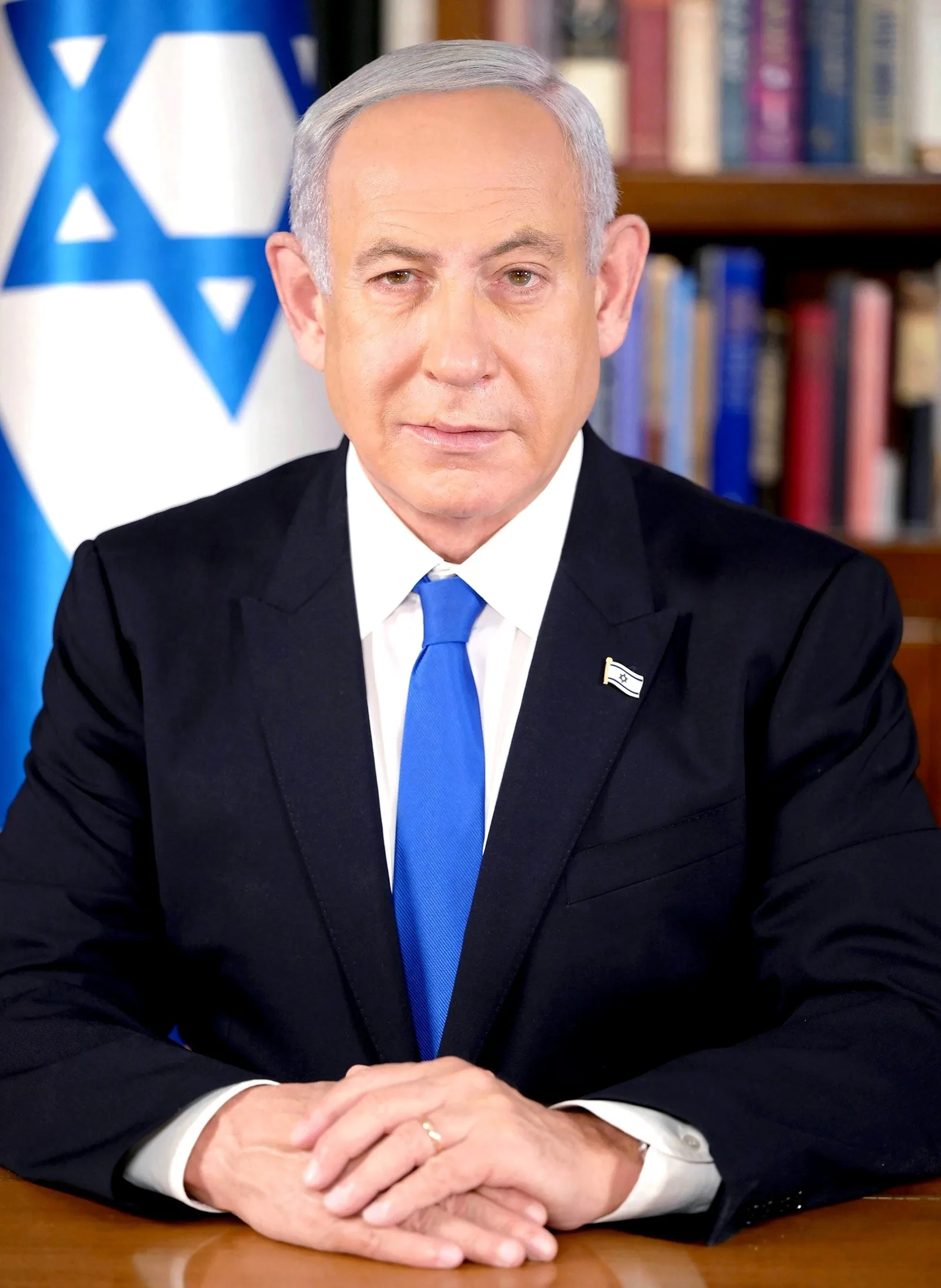 File photo
What happened
The brief
Israel’s Central Elections Committee gave Prime Minister Benjamin Netanyahu’s bloc 54 seats and opposition leader Gadi Eisenkot’s bloc 49 in a partial parliamentary count, with 84.5% of the vote counted. The committee had not confirmed the full results, and counting was continuing, according to the Washington Examiner.
The tally also gave the Arab-led parties Joint List and Ra’am 17 seats in the 120-seat Knesset. The Washington Examiner said the current parliament had 67 seats for Netanyahu’s coalition and 10 for Arab parties in the opposition, providing the earlier parliamentary breakdown alongside the incomplete election count.
Netanyahu and Eisenkot each presented the results as a win for their respective sides on election night, the Washington Examiner reported. Netanyahu called for a “strong, national, right-wing government,” saying that was what should be formed.
Eisenkot told Israel’s Channel 13 that anyone seeking what he described as a genuine alternative to Netanyahu’s government would need to speak with his side to enable change. His statement set out his position on the role of his bloc in efforts to form a different government; the partial tally itself did not establish the final parliamentary balance.
Other headlines described the race in different terms. Northeast Times said Netanyahu’s bloc led with 56 seats but lacked a majority as counting continued. Le Monde and BBC headlines characterized exit polls as showing no clear winner, with the BBC headline placing Eisenkot’s bloc slightly ahead.
Those headlines concern exit-poll assessments or counts with different figures from the Washington Examiner’s reported committee tally, and do not provide further details in their headline text. The reported committee figures remain partial: 54 seats for Netanyahu’s bloc, 49 for Eisenkot’s and 17 for Joint List and Ra’am.
The Washington Examiner reported that the Central Elections Committee had not yet confirmed the full results, leaving the final distribution unsettled in the account.
Why it matters
- The count covers a 120-seat Knesset, and the reported 54 seats for Netanyahu’s bloc and 49 for Eisenkot’s bloc leave the parliamentary picture dependent on the remaining count.
- Joint List and Ra’am, the Arab-led parties, were assigned 17 seats in the partial tally.
- Netanyahu’s stated aim is a strong, national, right-wing government; Eisenkot says people seeking an alternative to Netanyahu’s government must speak with his side.
What to watch next
- Whether the Central Elections Committee confirms the full results after the partial tally.
- Whether the continuing count changes the reported allocation of 54 seats for Netanyahu’s bloc, 49 for Eisenkot’s bloc and 17 for Joint List and Ra’am.
- Whether Netanyahu pursues the strong, national, right-wing government he called for.
- Whether parties seeking an alternative to Netanyahu’s government take up Eisenkot’s stated invitation to speak with his side.
How it's being covered
Coverage analysisShow details6 source articles · 6 unique outletsOutlet political mix: Mixed· 3 Center · 2 Right · 1 unratedWhere the outlets are based: Europe 50% · US/Canada 33% · Other 17%
How outlets' accounts compare
Timeline
Developments from this story's sources, dated background we compiled and fact-checked, and our earlier coverage. Each row says which.- Israel held its first Knesset election.Background · compiled and fact-checked by Updat3
- Israel enacted the Basic Law: The Knesset, establishing the legislature’s framework.Background · compiled and fact-checked by Updat3
- Israel amended its election law to raise the Knesset entry threshold from 2% to 3.25%.Background · compiled and fact-checked by Updat3
- In the March 23, 2021 election, Netanyahu’s Likud remained the largest party, but Naftali Bennett and Yair Lapid subsequently formed a government that included the Arab Islamist Ra’am party.Background · from our historical context
- That coalition collapsed in 2022, leading to the election that returned Netanyahu to office.Background · from our historical context
- Benny Gantz, Gideon Sa'ar and Gadi Eisenkot formed the National Unity alliance.Background · compiled and fact-checked by Updat3
- Israel’s 25th Knesset was elected on November 1, 2022, after a period of repeated elections and shifting coalitions.Background · from our historical context
- Hamas-led attackers killed about 1,200 people in Israel and took about 250 hostages.Background · compiled and fact-checked by Updat3
- Benny Gantz and Gadi Eisenkot left Israel’s emergency government.Background · compiled and fact-checked by Updat3
How we got here
Israel’s 25th Knesset was elected on November 1, 2022, after a period of repeated elections and shifting coalitions. By the time of the partial count described in the current reports, the outgoing parliament’s composition had changed: Netanyahu’s coalition held 67 seats, while Arab parties held 10 seats in the opposition.
Gideon Sa’ar and former Israel Defense Forces chief of staff Gadi Eisenkot joined Benny Gantz’s National Unity alliance ahead of the 2022 election; the alliance won 12 seats. Israel’s electoral system gives the Knesset 120 members elected nationwide through proportional representation.
Original sources
3 of 6 articles · Europe · Show allEvery story links to the reporting it was built from. How we choose sources
Spotted a factual error, a broken link or a misleading summary? Tell us.