
JD Vance declines to back Netanyahu as Trump endorses him
JD Vance said he would not take a position in Benjamin Netanyahu’s Israeli re-election campaign, while Donald Trump publicly endorsed the prime minister. Vance said he was neither for nor against Netanyahu and was concentrating on the U.S. midterm elections.
AI-assisted synthesis · Based on 4 independent reports from 5 outlets · Article text read from 2 of 4 reportsHow it's made
View timeline · 9 entries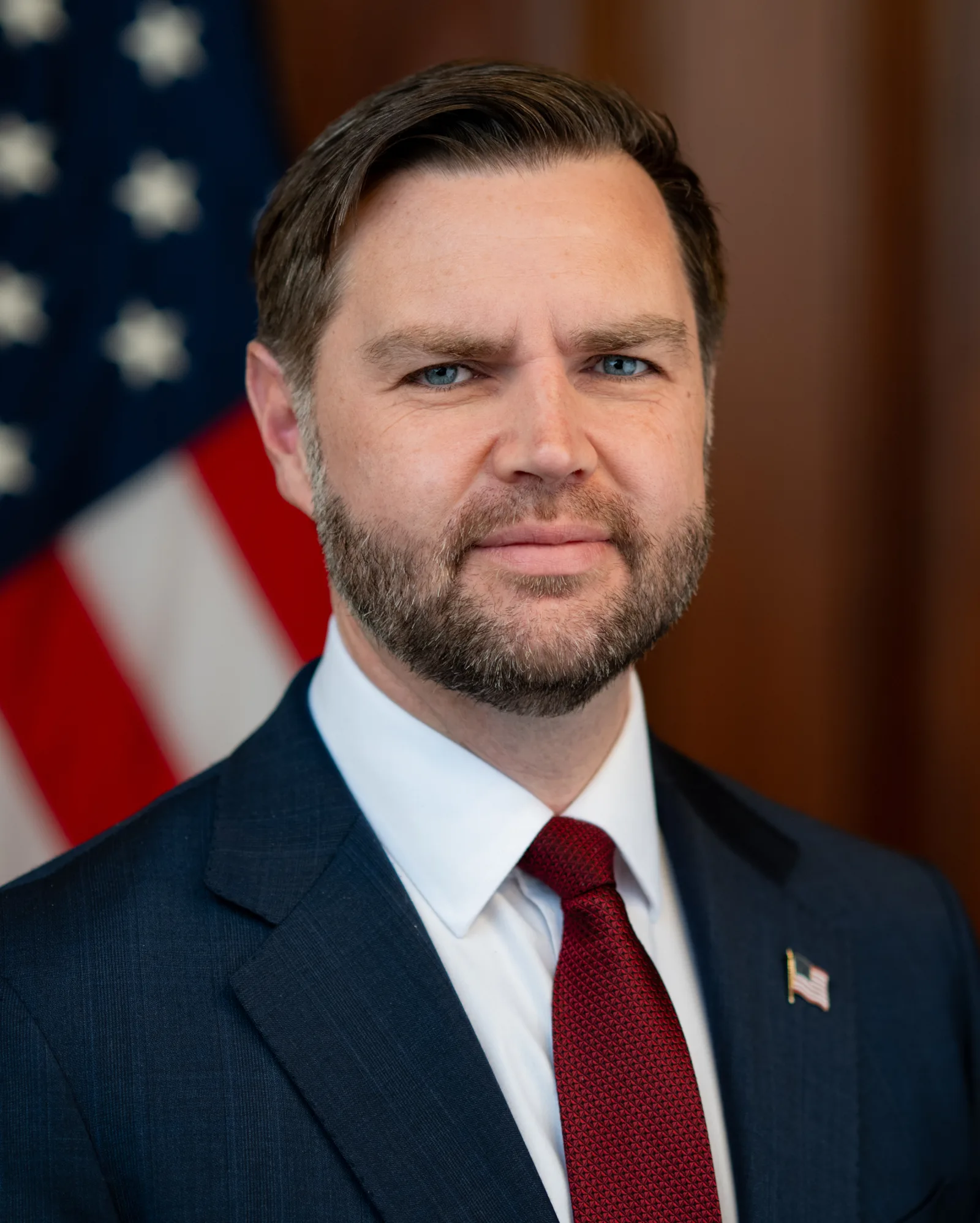 File photo
What happened
Key facts
- JD Vance said he would not get involved in Israel’s elections or endorse Benjamin Netanyahu (per bnn-news.com, aa.com.tr, NDTV).
- Vance said he was neither against Netanyahu nor for him (per bnn-news.com, aa.com.tr).
- Vance said his attention was focused on the U.S. midterm elections (per bnn-news.com).
- Trump’s endorsement preceded Vance’s comments (per aa.com.tr, bnn-news.com).
- Netanyahu thanked Trump for his support and said they would complete the mission together (per bnn-news.com, aa.com.tr).
The brief
U.S. Vice President JD Vance said he would not take a position on Israeli Prime Minister Benjamin Netanyahu’s re-election campaign, setting his approach apart from President Donald Trump, who endorsed Netanyahu. Vance said he was neither opposed to nor supportive of Netanyahu and would not participate in Israel’s elections.
Vance made the comments in an interview with Mark Halperin on 2WAY Tonight, according to Anadolu Agency. Asked about Trump’s support for Netanyahu, Vance said, “I’m not anti-endorsing him. I’m not pro-endorsing him. I’m not getting involved in Israeli elections.” The remarks followed Trump’s endorsement, which Anadolu Agency described as coming over the weekend.
Vance said his attention was on the U.S. midterm elections. His stated position was non-involvement in another country’s election, rather than an endorsement of either Netanyahu or his campaign. Trump, by contrast, publicly backed Netanyahu’s bid for re-election.
The difference is notable in light of Vance’s earlier political involvement abroad: BNN News reported that he traveled to Hungary in April to support former Prime Minister Viktor Orbán ahead of that country’s elections. BNN News also reported that Orbán lost and left office after 16 years in power.
That earlier episode provides context for Vance’s current position, but the sources do not give his explanation for the difference. Netanyahu thanked Trump for the endorsement and said they would complete the mission together, BNN News reported. The statement records Netanyahu’s response to Trump’s support; it does not specify what mission he meant.
The immediate political contrast is therefore between Trump’s direct backing of Netanyahu and Vance’s refusal to endorse or oppose him. Vance directed attention to the U.S. midterms, while Trump’s support was aimed at Netanyahu’s re-election campaign. The reporting does not specify what effect either position may have on the Israeli election.
Why it matters
- Netanyahu’s re-election campaign is the direct subject of the divide: Trump endorsed him, while Vance said he would not take a position.
- The U.S. midterm elections are Vance’s stated focus, giving his explanation a domestic electoral priority.
- Vance’s reported support for Viktor Orbán in Hungary offers a concrete comparison with his stated non-involvement in Israel’s election.
What to watch next
- Whether Vance makes any further public statement about Netanyahu’s re-election campaign.
- Whether Trump makes additional public endorsements of Netanyahu.
- Whether Netanyahu elaborates on the “mission” he said he and Trump would complete.
How it's being covered
Coverage analysisShow details5 source articles · 5 unique outlets · 4 distinct reportsOutlet political mix: Too few rated· 2 Center · 3 unratedWhere the outlets are based: US/Canada 40% · Middle East 40% · Other 20%
How outlets' accounts compare
2 framing differences · 2 uncorroborated claims · 1 information gap- Anadolu Agency emphasizes Vance’s distance from Israeli electoral politics after Trump’s endorsement; BNN News also highlights Vance’s focus on the U.S. midterms and compares his position with his earlier support for Viktor Orbán.
- The sources do not explain why Vance supported Orbán in Hungary but chose not to endorse or oppose Netanyahu.
- Vance said, “I’m not anti-endorsing him. I’m not pro-endorsing him. I’m not getting involved in Israeli elections.”
- Netanyahu thanked Trump and said they would complete the mission together.
- The sources do not provide further details about the Israeli election, the candidates, or the likely effect of Trump’s endorsement.
Timeline
Developments from this story's sources, dated background we compiled and fact-checked, and our earlier coverage. Each row says which.- The United States and Israel established diplomatic relations on May 14, 1948, the day Israel declared independence.Background · from our historical context
- Benjamin Netanyahu became prime minister after winning Israel’s first direct election for the office.Background · compiled and fact-checked by Updat3
- Donald Trump recognized Jerusalem as Israel’s capital.Background · compiled and fact-checked by Updat3
- Donald Trump publicly backed Benjamin Netanyahu’s re-election campaign.Background · compiled and fact-checked by Updat3
- On May 24, 2020, his corruption trial began in Jerusalem; Netanyahu denied the charges.Background · from our historical context
- Benjamin Netanyahu returned to office as prime minister after his bloc won a majority in the Knesset election.Background · compiled and fact-checked by Updat3
- Donald Trump and J.D. Vance won the presidential election.Background · compiled and fact-checked by Updat3
- JD Vance became vice president after Donald Trump’s inauguration.Background · compiled and fact-checked by Updat3
- Donald Trump said the United States should stay out of Israel’s election, while leaving open the possibility of endorsing a candidate.Background · compiled and fact-checked by Updat3
How we got here
Benjamin Netanyahu returned to office on December 29, 2022, after an election on November 1 gave his Likud-led bloc a majority in the Knesset. On May 24, 2020, his corruption trial began in Jerusalem; Netanyahu denied the charges. His legal cases and the question of his political leadership had become recurring issues in Israeli elections before the 2022 vote.
Netanyahu’s relationship with Donald Trump had already included high-profile U.S. actions. On December 6, 2017, Trump recognized Jerusalem as Israel’s capital, and on March 25, 2019, he recognized Israeli sovereignty over the Golan Heights.
Original sources
5 articles from 5 outletsEvery story links to the reporting it was built from. How we choose sources
Spotted a factual error, a broken link or a misleading summary? Tell us.