
Ohio Gov. Mike DeWine signs order letting 2022 college athletes get a 5th year of eligibility
Ohio Gov. Mike DeWine signed an executive order allowing Ohio colleges and universities to opt to grant 2022 student-athletes a fifth year of NCAA eligibility. The order is intended to align Ohio with opportunities available in other states and, DeWine said, "preserves fairness for" student-athletes.
AI-assisted synthesis · Based on 3 independent reports from 5 outlets · Full text read from 1 of 3 reportsHow it's made
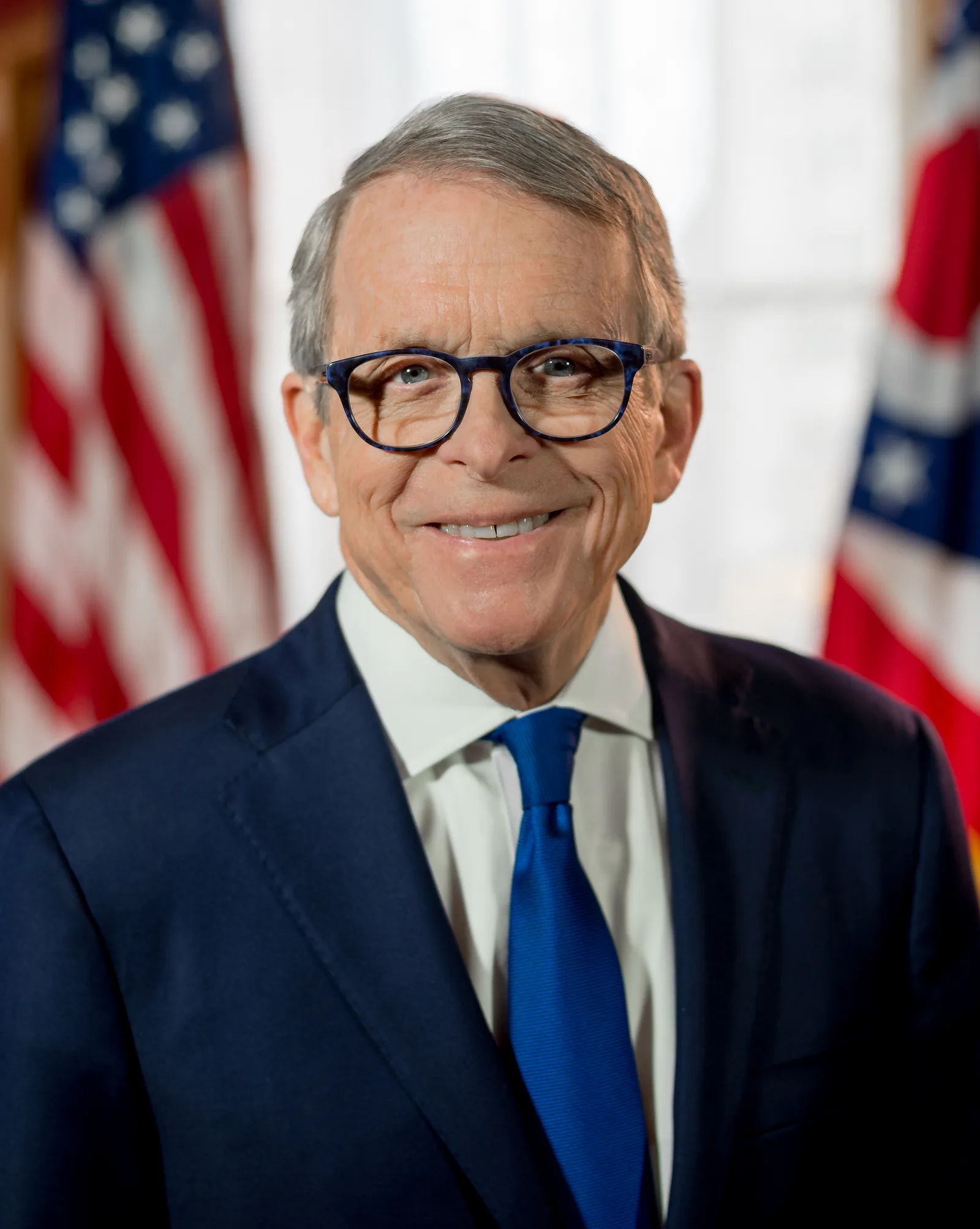 File photo
What happened
Key facts
- Ohio Gov. Mike DeWine signed an executive order allowing Ohio colleges and universities to opt to grant 2022 student-athletes a fifth year of NCAA eligibility (per thestar.com, on3.com).
- The order was framed by Gov. Mike DeWine as preserving fairness for student-athletes (per thestar.com, on3.com).
- The action is intended to align Ohio with opportunities available in other states (per thestar.com).
- DeWine is identified in the article as a Republican (per thestar.com).
- The NCAA's member-schools president, Charlie Baker, said in a letter that DeWine "cannot legislate NCAA eligibility rules," according to the article excerpt (per thestar.com).
The brief
Ohio Gov. Mike DeWine signed an executive order that lets colleges and universities in Ohio choose to grant student-athletes from the class of 2022 a fifth year of NCAA eligibility. The move, described in a thestar.com report, is presented by the governor as an attempt to preserve fairness for athletes after changes to eligibility rules and to match opportunities already available in other states. DeWine is identified in the article as a Republican and is quoted as saying, "When the rules change, fairness has to remain part of the equation."
The thestar.com excerpt also notes a reaction from the NCAA membership: the governing body's president, Charlie Baker, told member schools in a letter that DeWine "cannot legislate NCAA eligibility rules," a point the article connects to legal limits on state action over collegiate eligibility. The piece further cites a comment from U.S. Circuit Judge Paul Kelly about the complexity of defining a market in an antitrust case, observing wide differences in earning power among college sports. The article frames the executive order as optional for institutions; it permits Ohio colleges and universities to adopt the extra year of eligibility but does not mandate that they must do so. That distinction — state-level permission versus a universal rule applying to all Ohio schools — is central to how the order will affect student-athletes depending on decisions by individual institutions. Multiple headlines from other outlets corroborate that DeWine signed an order with the same immediate effect. WKBN, AP News, On3 and Yahoo Sports each ran headlines stating that the governor signed an order allowing state colleges to permit 2022 athletes a fifth year of eligibility, but the thestar.com text is the sole full article provided here and supplies the governor's quoted rationale and the cited pushback from the NCAA president. The article places the order in the narrow frame of eligibility policy and law: it records both the state's effort to extend an opportunity to affected athletes and the NCAA's assertion about the limits of state power over eligibility rules. Absent further reporting in the supplied text, the actual choices individual Ohio colleges will make under the order and any legal challenges that might follow are not documented in this article. For current and former student-athletes from the class of 2022 and for athletic departments at Ohio institutions, the order creates an immediate option to seek another year of collegiate competition, subject to each school's decision and the NCAA's regulatory framework as described by the article.
Why it matters
- Student-athletes from the class of 2022 in Ohio gain an immediate mechanism — a state executive order — that allows them the possibility of a fifth year of NCAA eligibility, affecting their collegiate playing time and roster planning.
- Ohio colleges and universities face concrete administrative and roster decisions because the order lets each institution decide whether to grant the extra year, altering scholarship, roster and recruiting calculations for athletic departments.
- The NCAA, represented by president Charlie Baker in the article, contests the scope of state action on eligibility by stating that the governor "cannot legislate NCAA eligibility rules," which documents a legal and regulatory tension that could shape how the order is implemented.
What to watch next
- Whether individual Ohio colleges and universities adopt the option to grant a fifth year to 2022 student-athletes, as allowed by the executive order.
- Any formal response or enforcement action by the NCAA following Charlie Baker's letter asserting that a governor cannot legislate NCAA eligibility rules.
- Whether legal challenges or court rulings emerge that address the authority of a state executive order to affect NCAA eligibility, referencing the antitrust and jurisdiction issues noted by U.S. Circuit Judge Paul Kelly in the article excerpt.
How it's being covered
Coverage analysisShow details5 source articles · 5 unique outlets · 3 distinct reportsCoverage mix: Center Only· 4 CenterWhere the outlets are based: US/Canada 60% · Global 20% · Other 20%
- Coverage is currently concentrated among Center-rated outlets (4 of 4 rated sources); comparatively few Left or Right-rated outlets have published on the event.
One source is from a wire service (AP, Reuters, AFP or Bloomberg), whose reporting other outlets often republish.
How outlets' accounts compare
How we got here
Immediate backdrop: the NCAA’s eligibility waivers issued for athletes affected by the COVID-19 disruption in 2020 established the practice of granting extra seasons of competition to classes whose seasons were disrupted (2020).
The structural framework for today’s dispute is the NCAA governance system set out in the NCAA Constitution and implemented by its Division I Council and membership, a member‑governed association created in 1906 and exercised through rules that member schools agree to follow.
Original sources
1 of 5 articles · Global · Show allEvery story links to the reporting it was built from. How we choose sources
Spotted a factual error, a broken link or a misleading summary? Tell us.