
Pennsylvania Senate passes school-day phone ban with student exceptions
The Pennsylvania Senate passed a bill 47-3 to bar students from using phones during the school day, following House passage. The bill now goes to Gov. Josh Shapiro, while listed exceptions cover some students’ needs and principals’ special approvals.
AI-assisted synthesis · Based on 5 outlets' reporting · Article text read from 3 of 5 outletsHow it's made
View timeline · 5 entries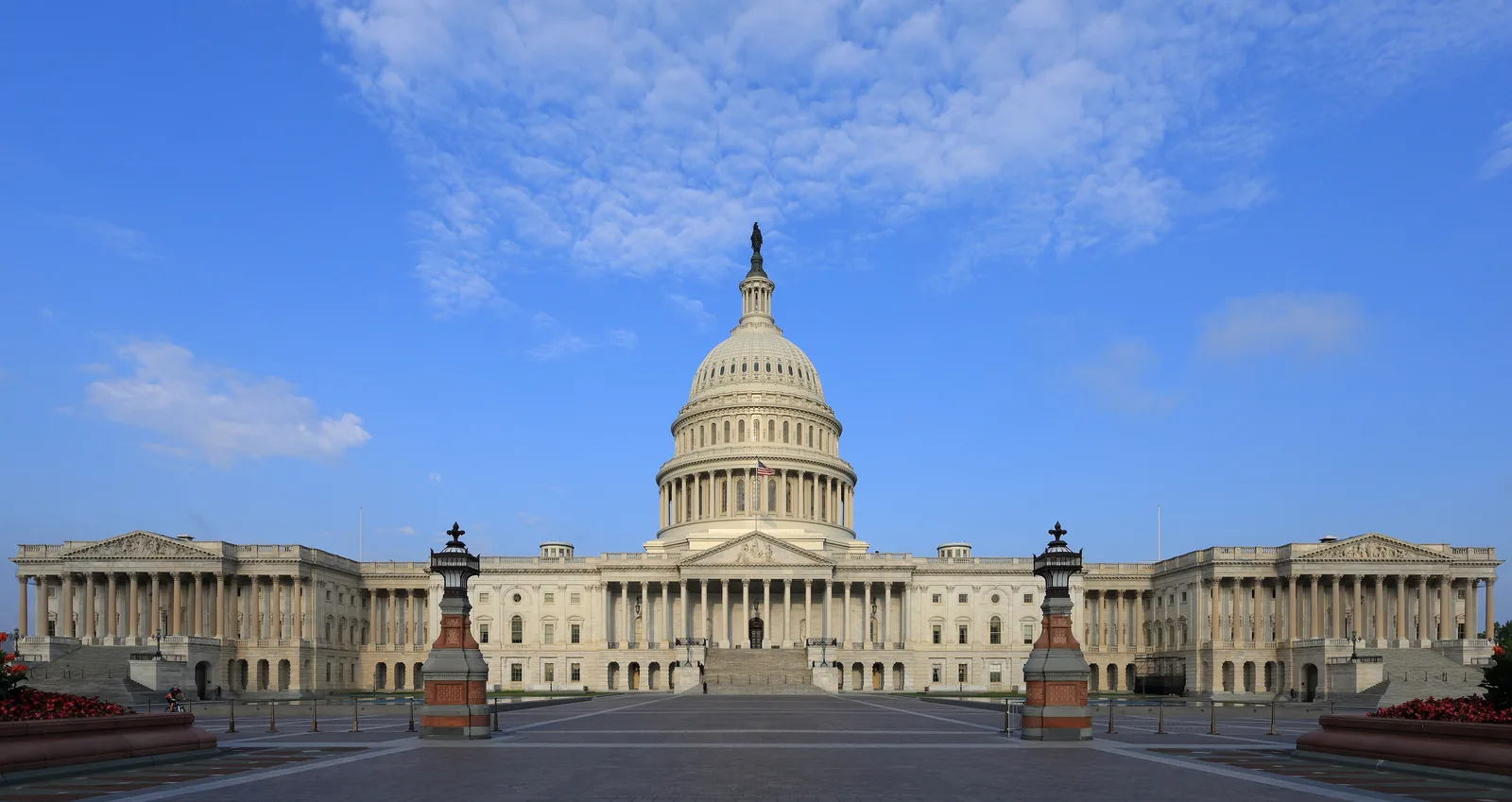 File photo
What happened
Key facts
- Gov. Josh Shapiro said he had urged lawmakers to act and argued that phone restrictions would help students focus on learning (per lancasteronline.com, wtae.com, lehighdaily.com).
- James Malone voted against the bill, saying it did not give schools enough local control over phone policies (per lancasteronline.com).
The brief
The Pennsylvania Senate passed a bill 47-3 to bar students from using phones during the school day, sending it to Gov. Josh Shapiro to sign or veto. The House had passed the measure on Monday; the Senate vote completed its passage through the legislature and placed the next decision with the governor.
The measure calls for school district boards to adopt policies barring phones from classrooms by the start of the 2027-28 school year. WTAE described the restriction as applying throughout the school day and listed exceptions for students with certain medical needs, phone-related accommodations in individualized education programs, and translation use.
It also says principals could make special exceptions. The bill’s exceptions address circumstances in which students may need phones for health, disability-related accommodations or communication across language barriers. The reported provisions also give principals discretion to approve exceptions.
The sources describe the statewide restriction alongside implementation policies to be written by school district boards. Shapiro said he had called for the measure in his budget address and repeatedly urged lawmakers to act. He presented the vote as a bipartisan agreement intended to help students and educators, saying restrictions would help students focus on learning.
His comments support the bill, which now awaits his decision. The vote was not unanimous. James Malone voted against the bill, saying he believed it gave schools too little local control over phone policies after hearing concerns from school district leaders and parents. Malone had originally co-sponsored the measure, according to LancasterOnline.
Scott Martin and Chris Gebhard voted for it, and Lehigh Daily reported that Sen. Lisa Boscola, a co-sponsor, also voted yes. The outlets emphasize different aspects of the measure: WTAE spells out student and principal exceptions, while LancasterOnline highlights the school boards’ role in writing policies and Malone’s objection about local control.
Lehigh Daily identifies Boscola’s vote and reports that the House approved the bill 141-62 on Monday. The Senate tally was 47-3. The outstanding decision is Shapiro’s: he can sign or veto the bill. If it takes effect as described, school district boards will need to write policies for the classroom phone restrictions by the start of the 2027-28 school year.
Why it matters
- Pennsylvania public-school students would face a statewide classroom phone restriction, with school district boards responsible for policies by the start of the 2027-28 school year.
- Students who need phones for qualifying medical conditions, individualized education program accommodations or translation are named among the exceptions; principals could also approve special cases.
- School districts are the mechanism for local implementation, while James Malone’s stated objection was that the bill gives them too little control over phone policies.
- The 47-3 Senate vote sends the measure to Gov. Josh Shapiro, whose signature or veto will determine whether it advances.
What to watch next
- Whether Gov. Josh Shapiro signs or vetoes the bill.
- Whether school district boards write policies barring phones from classrooms by the start of the 2027-28 school year.
- How school districts and principals apply the listed medical, individualized education program, translation and special-approval exceptions.
How it's being covered
Coverage analysisShow details5 source articles · 5 unique outletsOutlet political mix: Center Only· 3 Center · 2 unratedWhere the outlets are based: Unknown 60% · US/Canada 40%
- Coverage is currently concentrated among Center-rated outlets (3 of 3 rated sources); comparatively few Left or Right-rated outlets have published on the event.
How outlets' accounts compare
2 framing differences · 2 uncorroborated claims- WTAE foregrounds the school-day restriction and describes exceptions for specified students and principal approvals; LancasterOnline emphasizes district boards’ responsibility for classroom policies and James Malone’s local-control objection.
- Lehigh Daily adds Sen. Lisa Boscola’s vote and the House tally, while LancasterOnline names Scott Martin, Chris Gebhard and James Malone among the Senate votes.
- Shapiro said he had urged lawmakers to act and argued the restrictions would help students focus on learning.
- James Malone said the bill did not provide schools enough local control over phone policies.
Timeline
Developments from this story's sources, dated background we compiled and fact-checked, and our earlier coverage. Each row says which.- The Public School Code of 1949, enacted March 10, 1949, gave local boards broad powers to manage district schools, including adopting rules for their operation.Background · from our historical context
- Pew Research Center reported that 95% of U.S. teens had access to a smartphone and 45% were online almost constantly.Background · compiled and fact-checked by Updat3
- Shapiro won Pennsylvania’s gubernatorial election, defeating Republican Doug Mastriano.Background · compiled and fact-checked by Updat3
- Josh Shapiro took office as governor of Pennsylvania.Background · compiled and fact-checked by Updat3
- In October 2026, Pennsylvania’s House passed the school-phone measure a week before the Senate acted, moving the debate from proposals toward a statewide rule.Background · from our historical context
How we got here
In October 2026, Pennsylvania’s House passed the school-phone measure a week before the Senate acted, moving the debate from proposals toward a statewide rule. Gov. Josh Shapiro had urged lawmakers to address classroom phone use, while state Rep. James Malone argued that schools should retain greater control over their own policies.
The dispute reflects Pennsylvania’s division of authority between state government and local school boards. The Public School Code of 1949, enacted March 10, 1949, gave local boards broad powers to manage district schools, including adopting rules for their operation.
Original sources
2 of 5 articles · US/Canada · Show allEvery story links to the reporting it was built from. How we choose sources
Spotted a factual error, a broken link or a misleading summary? Tell us.