
Pentagon weighs covert China-focused economic espionage program, report says
The Pentagon is planning a covert program in which operatives would pose as businesspeople to pursue economic warfare against China and other U.S. rivals, according to six people familiar with the effort. The initiative remains in planning, and the department has not decided whether to establish a separate unit or expand existing secret human-intelligence work.
AI-assisted synthesis · Based on 5 outlets' reporting · Article text read from 2 of 5 outletsHow it's made
View timeline · 8 entries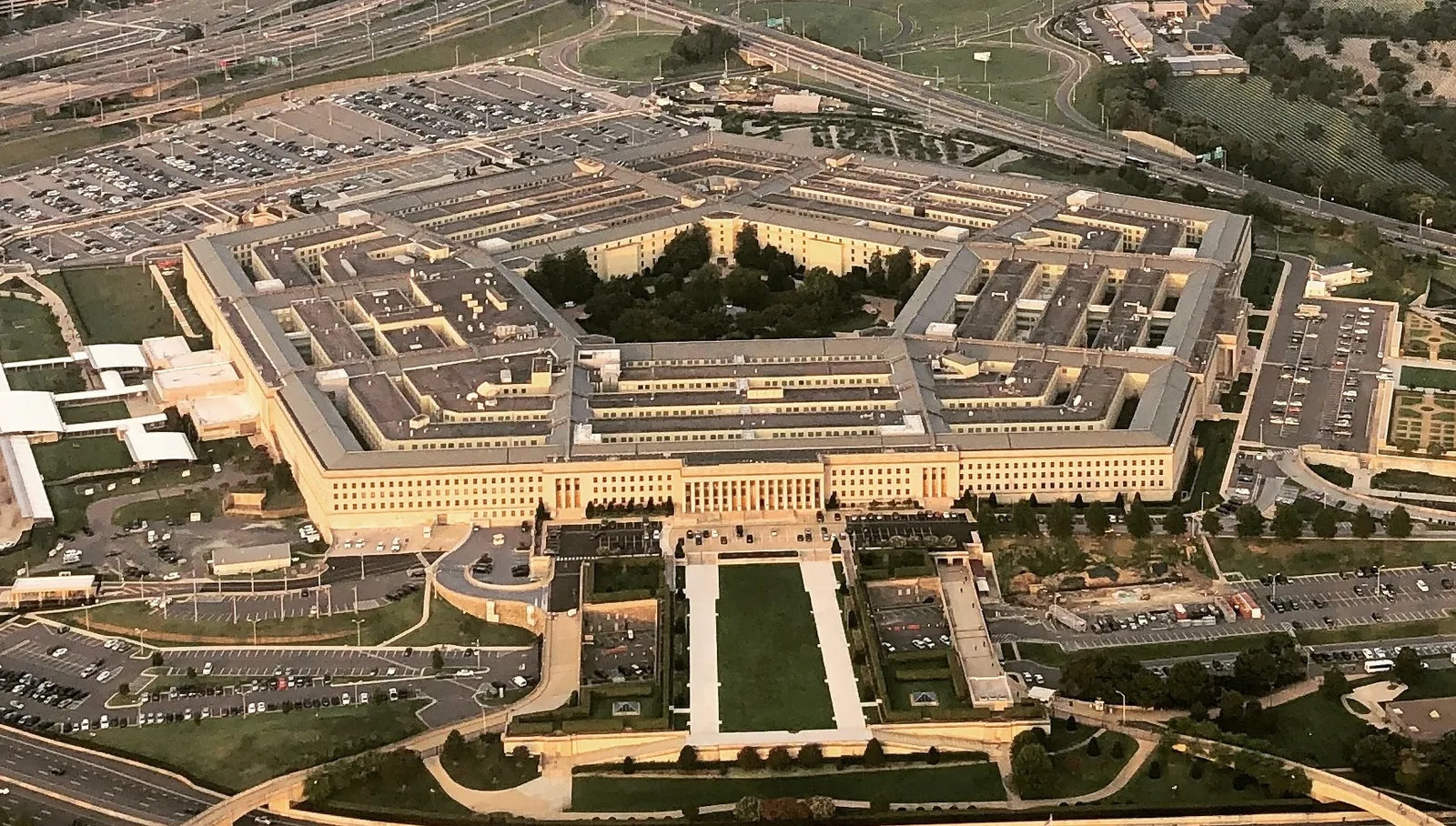 File photo
What happened
Key facts
- The Pentagon is considering a deep-cover program targeting China and other U.S. competitors or rivals (per politicalwire.com, timesnownews.com, chinatechnews.com).
- The planned initiative would have operatives pose as businesspeople or other private-sector personnel as part of an economic-warfare campaign (per politicalwire.com, timesnownews.com).
- The Pentagon has not decided whether to create a separate unit for the initiative or develop it from existing secret human-intelligence work (per timesnownews.com, politicalwire.com).
- The Washington Post reported that the proposed program would form part of a broader Pentagon economic-warfare campaign (per timesnownews.com, politicalwire.com, The Washington Post).
The brief
The Pentagon is planning a covert program that would place operatives in private-sector roles to pursue economic warfare against China and other U.S. rivals, according to six people familiar with the effort. The proposed operatives would pose as businesspeople, while the plan described by Political Wire would keep any overt U.S. government affiliation out of view.
The initiative remains under consideration and is not operating. The planned operatives would be known as “nonofficial cover officers,” or NOCs, according to Times Now News. The arrangement would use business identities rather than overt government roles.
Political Wire described the plan as part of a larger Pentagon economic-warfare campaign; Times Now News also reported that the effort would fit within a broader campaign. The Pentagon has not decided how to place the initiative within the department.
Times Now News reported that officials are weighing whether to set it up as a separate unit or build it from existing secret human-intelligence work. That organizational choice remains open while the program is still at the planning stage. Tom Rakusan is overseeing the initiative, Times Now News reported.
The outlet identified him as a senior adviser to Deputy Defense Secretary Steve Feinberg. The six people familiar with the effort spoke anonymously because of its sensitive nature, according to the same report. The accounts emphasize different aspects of the proposal.
Political Wire highlights the absence of an overt U.S. government affiliation and frames the program as a covert component of economic warfare. Times Now News adds the proposed NOC designation, Rakusan’s oversight, and the unresolved question of whether the effort would become a distinct unit or draw on existing intelligence work.
The Washington Post is identified in Political Wire’s report as the source of the account that the program would target China and other U.S. competitors and form part of the Pentagon’s wider economic-warfare campaign. Times Now News independently describes China and other U.S. rivals as targets, citing six people familiar with the effort.
Neither account presents the proposal as an operating program; the planning status is the clearest immediate constraint on what the Pentagon could do under it. The next consequential choices described are whether the Pentagon moves the initiative beyond planning and how it organizes the work.
The sources report no final decision on either point, leaving the proposed use of private-sector cover and the program’s place in the department as plans rather than an established operating capability.
Why it matters
- The proposed mechanism is covert placement of U.S. operatives in business or other private-sector roles, potentially without overt government affiliation; China and other U.S. rivals are the named targets of the planned economic-warfare effort.
- The Pentagon’s unresolved choice between a separate unit and existing secret human-intelligence work will determine the organizational route for the proposal, if it advances beyond planning.
- Tom Rakusan, a senior adviser to Deputy Defense Secretary Steve Feinberg, is overseeing the initiative, while six people familiar with it have described the sensitive effort anonymously.
What to watch next
- Whether the Pentagon moves the initiative from planning into operation; Times Now News reports it is not operating.
- Whether the Pentagon chooses a separate unit or builds the program from existing secret human-intelligence work.
- Whether the proposed operatives retain the planned “nonofficial cover officers” designation and private-sector roles.
- Whether the initiative proceeds as a component of the broader Pentagon economic-warfare campaign described by both reports.
How it's being covered
Coverage analysisShow details5 source articles · 5 unique outletsOutlet political mix: Mixed· 1 Left · 1 Center · 2 Right · 1 unratedWhere the outlets are based: Asia 60% · US/Canada 40%
How outlets' accounts compare
2 framing differences · 1 uncorroborated claim · 3 information gaps- Political Wire emphasizes that operatives would have no overt U.S. government affiliation and describes the plan as a covert prong of a wider economic-warfare campaign; Times Now News emphasizes the NOC label, the program’s planning status, and its unresolved organizational structure.
- Times Now News attributes its account of the plan to six people familiar with the effort, who spoke anonymously; Political Wire attributes its description to The Washington Post.
- Times Now News reports that the planned operatives would be called “nonofficial cover officers,” or NOCs.
- The sources do not describe a specific economic operation, target company, planned deployment, or measurable economic effect.
- The sources do not provide a Pentagon statement setting out its position on the proposal.
- The Pentagon’s final organizational choice remains undecided, and the proposed initiative is not operating.
Timeline
Developments from this story's sources, dated background we compiled and fact-checked, and our earlier coverage. Each row says which.- The Defense Intelligence Agency was created in 1961 to consolidate military intelligence functions.Background · from our historical context
- Congress had made theft of trade secrets for the benefit of a foreign government a federal crime under the Economic Espionage Act of 1996, signed on October 11, 1996.Background · from our historical context
- In 2012, the Pentagon established the Defense Clandestine Service within DIA to expand its human-intelligence operations.Background · from our historical context
- The Justice Department ended the China Initiative and said it would address such cases through a broader approach to nation-state threats.Background · compiled and fact-checked by Updat3
- The 2022 CHIPS and Science Act, signed by President Joe Biden on August 9, 2022, provided federal support for domestic semiconductor production and research.Background · from our historical context
- The Commerce Department imposed export controls on advanced computing chips and semiconductor-manufacturing equipment bound for China.Background · compiled and fact-checked by Updat3
- The Commerce Department expanded its export controls on advanced computing chips and semiconductor-manufacturing equipment bound for China.Background · compiled and fact-checked by Updat3
- The Pentagon released its National Defense Industrial Strategy, identifying industrial capacity and supply-chain resilience as defense priorities.Background · compiled and fact-checked by Updat3
How we got here
The Pentagon’s 2024 National Defense Industrial Strategy made industrial capacity and supply-chain resilience explicit defense priorities, reflecting a shift toward treating economic and manufacturing strength as part of national security.
In October 2022, the Commerce Department imposed controls on exports to China of advanced computing chips and semiconductor-manufacturing equipment; the rules were expanded in October 2023. The 2022 CHIPS and Science Act, signed by President Joe Biden on August 9, 2022, provided federal support for domestic semiconductor production and research.
Original sources
2 of 5 articles · US/Canada · Show allEvery story links to the reporting it was built from. How we choose sources
Spotted a factual error, a broken link or a misleading summary? Tell us.