
Peter Thiel breaks with Trump over Iran war : We should not have done it
Peter Thiel said he is skeptical of the U.S. war with Iran and believes the United States should not have launched it. His remarks put him at odds with President Donald Trump, according to Political Wire’s account of Politico.
AI-assisted synthesis · Based on 4 independent reports from 5 outlets · Article text read from 1 of 4 reportsHow it's made
View timeline · 11 entries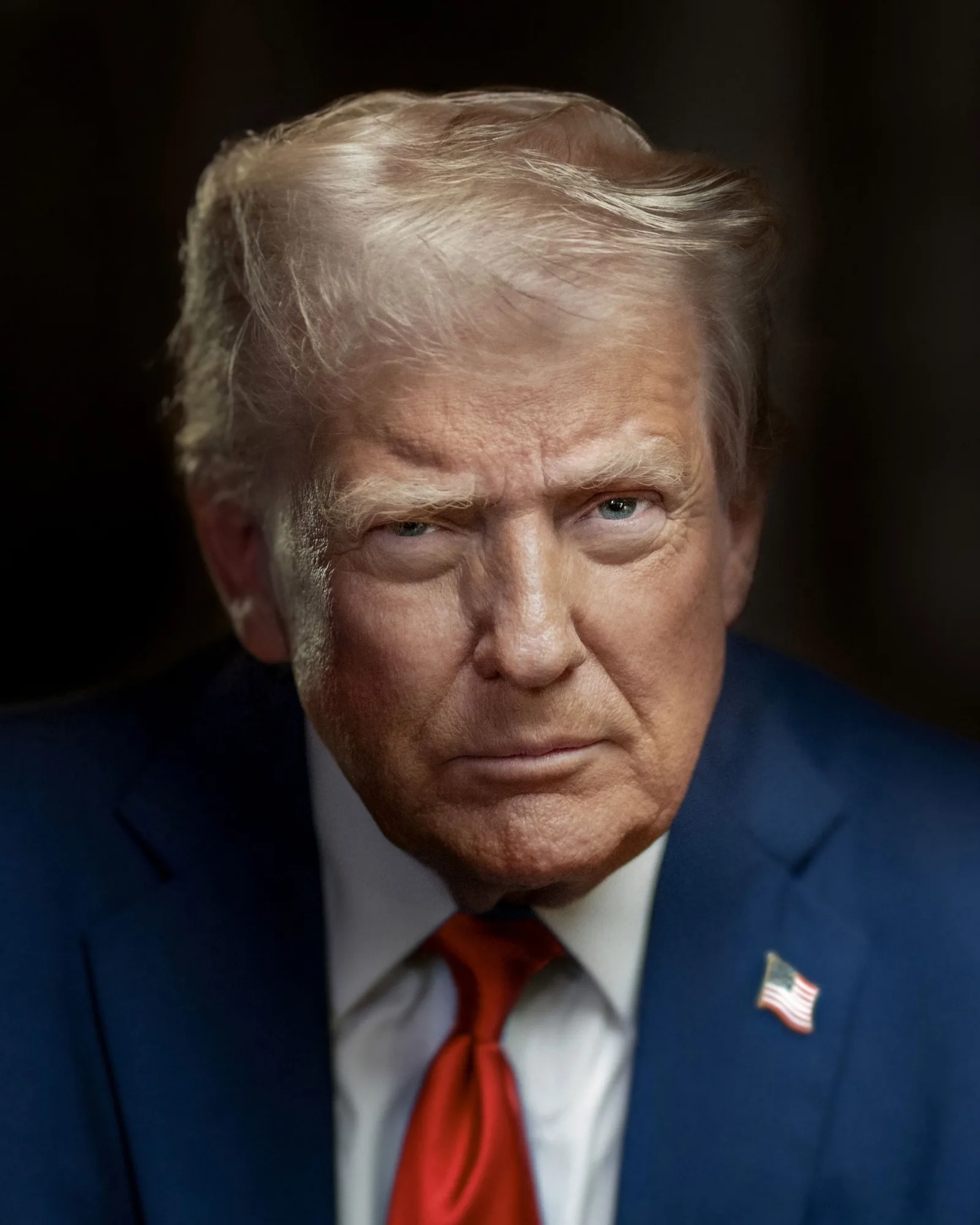 File photo
What happened
Key facts
- Thiel said the United States should not have launched the war (per politicalwire.com, informat.ro, Yahoo).
- Thiel said, “I’m skeptical of the war, I think we should not have done it.” (per politicalwire.com).
- The informat.ro headline says Thiel suggested the United States might not possess the necessary military force (per informat.ro, politicalwire.com).
The brief
Peter Thiel said he is skeptical of the U.S. war with Iran and believes the United States should not have launched it, putting him at odds with President Donald Trump, according to Political Wire’s account of Politico. The remarks mark a public disagreement between Thiel and Trump over the war, as characterized in the coverage.
Political Wire identifies Thiel as a billionaire technology investor and a major Republican donor.
It attributes its description of his position to Politico and reproduces his statement: “I’m skeptical of the war, I think we should not have done it.” The quote expresses opposition to the decision to begin the war, while the account does not give a further explanation from Thiel.
The informat.ro headline also reports Thiel’s criticism and says he suggested the United States might not possess the necessary military force. That headline stops mid-quotation after “Perhaps we,” so it does not establish the rest of the statement or provide further detail about the military-force point.
Yahoo and Newsmax also frame Thiel’s position as a break with Trump over the Iran war. Politico’s headline presents his central point as opposition to having started the war. These headlines support the broad characterization of his remarks, but do not add further details about what he said or how Trump responded.
Political Wire’s account characterizes the war as one of the administration’s defining foreign-policy decisions. Thiel’s criticism therefore concerns a consequential policy choice in the account’s framing, not a separate issue described alongside the war. His stated view is clear: the United States should not have launched it.
The account does not include a response from Trump or describe any action following Thiel’s remarks. It also provides no further explanation from Thiel beyond his skepticism and his view that the United States should not have started the war.
Why it matters
- Thiel, whom Political Wire describes as a major Republican donor, publicly opposes the U.S. decision to launch the war.
- His stated objection is direct: he says the United States should not have done it.
- The informat.ro headline raises a distinct military-capability concern, saying Thiel suggested the United States might lack the necessary force.
What to watch next
- Whether Thiel makes further public comments explaining his opposition to the war.
- Whether President Donald Trump responds to Thiel’s criticism.
- Whether Thiel elaborates on the military-force concern summarized in the informat.ro headline.
How it's being covered
Coverage analysisShow details5 source articles · 5 unique outlets · 4 distinct reportsOutlet political mix: Mixed· 2 Center · 2 Right · 1 unratedWhere the outlets are based: US/Canada 80% · Europe 20%
- Coverage is currently concentrated among outlets based in US/Canada (4 of 5 geographically-identified sources).
How outlets' accounts compare
Timeline
Developments from this story's sources, dated background we compiled and fact-checked, and our earlier coverage. Each row says which.- The Iranian Revolution overthrew Shah Mohammad Reza Pahlavi and established the Islamic Republic.Background · compiled and fact-checked by Updat3
- On November 4, 1979, Iranian students seized the U.S. Embassy in Tehran and held American diplomats and staff hostage for 444 days.Background · from our historical context
- The United States severed diplomatic relations with Iran in 1980.Background · from our historical context
- In 1987, the U.S. Navy began escorting reflagged Kuwaiti tankers in the Persian Gulf amid attacks on commercial shipping.Background · from our historical context
- On July 3, 1988, the USS *Vincennes* shot down Iran Air Flight 655, killing all 290 people aboard; the United States said the crew had mistaken the passenger aircraft for a military plane.Background · from our historical context
- Iran, the United States and five other powers agreed to the Joint Comprehensive Plan of Action, limiting Iran’s nuclear activities in exchange for sanctions relief.Background · compiled and fact-checked by Updat3
- On May 8, 2018, President Donald Trump announced that the United States would withdraw from the agreement and reimpose sanctions.Background · from our historical context
- Iran began exceeding some JCPOA nuclear limits in 2019, after the United States had left the accord; the other parties continued efforts to preserve it.Background · from our historical context
- In 2020, the Trump administration killed Iranian commander Qassem Soleimani in a drone strike near Baghdad airport.Background · from our historical context
- Donald Trump was inaugurated for a second, non-consecutive term as U.S. president.Background · compiled and fact-checked by Updat3
- On February 28, 2026, the United States and Israel launched coordinated strikes against Iran’s power plants, air defenses and military infrastructure, beginning the ongoing war.Background · from our historical context
How we got here
On February 28, 2026, the United States and Israel launched coordinated strikes against Iran’s power plants, air defenses and military infrastructure, beginning the ongoing war. The 2015 Joint Comprehensive Plan of Action (JCPOA), agreed by Iran, the United States and five other powers, limited Iran’s nuclear activities in exchange for sanctions relief.
On May 8, 2018, President Donald Trump announced that the United States would withdraw from the agreement and reimpose sanctions. Iran began exceeding some JCPOA nuclear limits in 2019, after the United States had left the accord; the other parties continued efforts to preserve it.
Original sources
5 articles from 5 outletsEvery story links to the reporting it was built from. How we choose sources
Spotted a factual error, a broken link or a misleading summary? Tell us.