
PM Modi emphasises dialogue, diplomacy in call with Netanyahu over West Asia situation
In a call with Israeli Prime Minister Benjamin Netanyahu about the situation in West Asia, Indian Prime Minister Narendra Modi stressed dialogue and diplomacy, continuing direct leader-level engagement between the two countries.
AI-assisted synthesis · Based on 5 outlets' reporting · Article text read from 1 of 5 outletsHow it's made
View timeline · 9 entries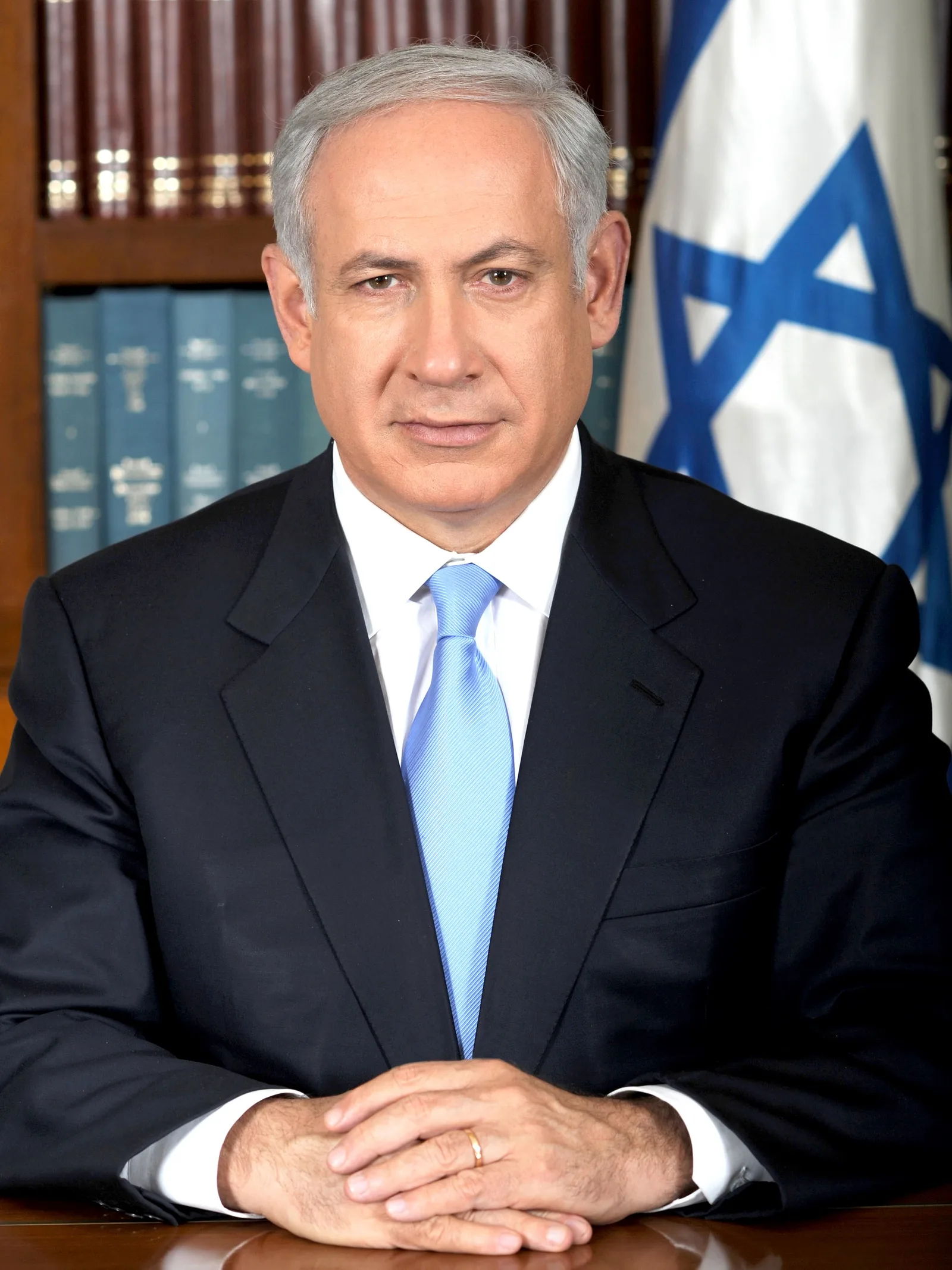 File photo
What happened
Key facts
- NationPath India says Netanyahu called Modi (per nationpathindia.com, uniindia.com).
- Zoom News's headline says Israel invited PM Modi and Captain Smit Machhar to an Independence Day torch-lighting ceremony and that Netanyahu called (per zoomnews.in, nationpathindia.com).
The brief
Narendra Modi reiterated India's emphasis on dialogue and diplomacy during a telephone conversation with Benjamin Netanyahu about West Asia, according to NationPath India. The outlet says Netanyahu called Modi on October 22, 2026. The account identifies the conversation's subject as the situation in West Asia and describes India's stated approach as dialogue and diplomacy.
NationPath India reports that the two leaders discussed recent developments in the region. It also says Modi and Netanyahu discussed the situation in West Asia during the call. The account presents the exchange as diplomatic engagement concerning regional developments, but does not report additional details about what either leader said beyond Modi's stated emphasis.
The outlet's account gives the call's date as October 22, 2026. It separately describes the date as Thursday, October 22, 2026, and says Netanyahu placed the call to Modi. The report does not identify a location for the conversation or provide a transcript. The headline from The Hindu also links Modi's emphasis on dialogue and diplomacy to a call with Netanyahu about West Asia.
Tribune India’s headline says Modi received a call from Netanyahu and that they discussed West Asia. United News of India's headline characterises the subject as the West Asia crisis and begins a further phrase about the discussion, but does not provide that phrase in full.
Zoom News’s headline reports that Israel invited Modi and Captain Smit Machhar to an Independence Day torch-lighting ceremony, and says Netanyahu called. The headline does not specify whether the invitation was part of the telephone conversation; NationPath India does not mention the invitation in its account.
NationPath India says the discussion highlights India's continued diplomatic engagement on West Asian developments and its emphasis on dialogue as a way to address regional tensions. Its account does not give details of proposals, agreements, or any actions agreed by the two leaders.
The reported exchange therefore establishes Modi's stated approach and the call's subject, while leaving the conversation's other outcomes unspecified.
Why it matters
- Direct contact gives India a channel to convey its concerns to Israel as the conflict threatens Indian citizens and wider regional trade and energy links. The call itself does not change policy or establish a ceasefire, but Modi’s emphasis on diplomacy signals that India wants de-escalation while preserving its close ties with Israel.
What to watch next
- Whether Modi or Netanyahu publicly provides further details about the West Asia discussion.
- Whether either leader describes proposals or agreements arising from the call.
- Whether Israel's reported Independence Day torch-lighting invitation to Modi and Captain Smit Machhar is addressed in connection with the call.
How it's being covered
Coverage analysisShow details5 source articles · 5 unique outletsOutlet political mix: Too few rated· 2 Center · 3 unratedWhere the outlets are based: Asia 60% · Unknown 40%
How outlets' accounts compare
Timeline
Developments from this story's sources, dated background we compiled and fact-checked, and our earlier coverage. Each row says which.- India recognized Israel in September 1950, but for decades the two countries did not maintain full diplomatic relations.Background · from our historical context
- India recognized the Palestine Liberation Organization as the representative of the Palestinian people.Background · compiled and fact-checked by Updat3
- India recognized the State of Palestine.Background · compiled and fact-checked by Updat3
- Full diplomatic relations between India and Israel were established on January 29, 1992.Background · from our historical context
- Benjamin Netanyahu became prime minister after winning Israel’s first direct election for the office.Background · compiled and fact-checked by Updat3
- A conspicuous shift in public engagement came in July 2017, when Narendra Modi became the first sitting Indian prime minister to visit Israel.Background · from our historical context
- Netanyahu’s January 2018 visit to India continued the leader-level engagement.Background · from our historical context
- The October 7, 2023, Hamas-led attacks in Israel and the ensuing Israeli military campaign in Gaza brought this balancing act into sharper focus.Background · from our historical context
- India voted in favour of a UN General Assembly resolution demanding an immediate humanitarian ceasefire in Gaza.Background · compiled and fact-checked by Updat3
How we got here
India’s relationship with Israel developed gradually, shaped by New Delhi’s support for Palestinian self-determination and its longstanding political, economic and energy ties with Arab countries. India recognized Israel in September 1950, but for decades the two countries did not maintain full diplomatic relations.
India recognized the Palestine Liberation Organization in 1974 as the representative of the Palestinian people and recognized the State of Palestine in 1988. Its policy has continued to support a negotiated two-state settlement, with Israel and Palestine living side by side in peace and security.
Original sources
2 of 5 articles · Unknown · Show allEvery story links to the reporting it was built from. How we choose sources
Spotted a factual error, a broken link or a misleading summary? Tell us.