
Pope Leo XIV urges Putin to cease fire in blockaded Oleshky
Pope Leo XIV called Vladimir Putin and urged a ceasefire in Oleshky to allow humanitarian deliveries and civilian evacuations. The Kremlin said the two sides agreed to coordinate efforts on civilian safety and essential supplies, while assigning responsibility for the difficult conditions to Kyiv.
AI-assisted synthesis · Based on 6 outlets' reporting · Full text read from 4 of 6 outletsHow it's made
View timeline · 2 entries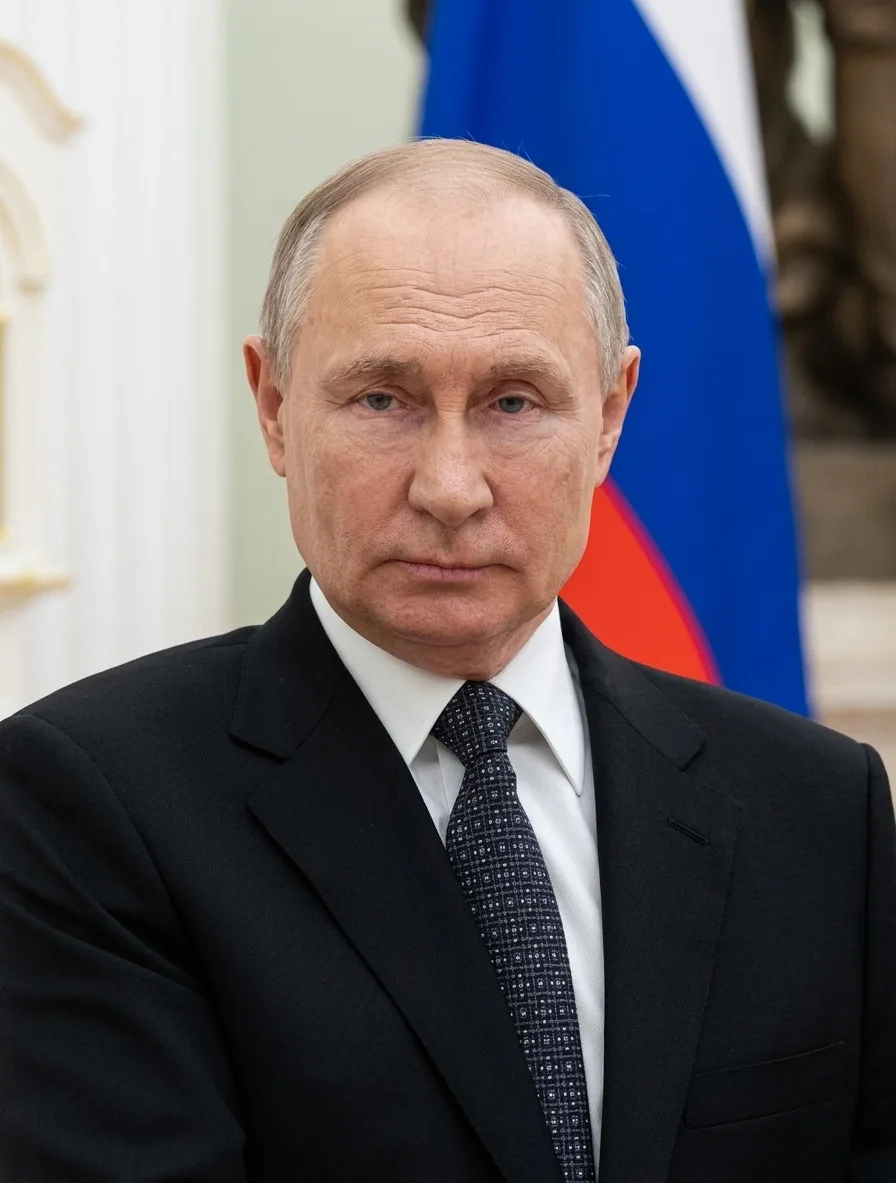 File photo
What happened
Key facts
- Pope Leo XIV called Russian President Vladimir Putin and urged a ceasefire in Oleshky, Ukraine.
- The article describes Oleshky as blockaded and says it has no electricity, gas or running water.
- The Vatican said Pope Leo XIV raised the grave humanitarian situation in Oleshky, in the Kherson region, during a phone call with Vladimir Putin.
- The Kremlin said Putin discussed what it called Kyiv’s responsibility for the difficult humanitarian situation and supported Vatican efforts to help civilians and deliver supplies.
- The article says Leo underwent surgery to remove the lower lobe of his right lung.
- Leo remained in hospital recovering on Friday and was described as doing well.
- The article says Leo was diagnosed with lung cancer on Tuesday.
- The Vatican said Leo called for a ceasefire to enable food and medical deliveries and the safe, voluntary evacuation of civilians.
The brief
Pope Leo XIV called Vladimir Putin and urged a ceasefire in Oleshky, in Ukraine’s Kherson region, to permit food and medical deliveries and the safe, voluntary evacuation of civilians. The Vatican described Leo’s concern about the city’s humanitarian conditions; its account did not identify who initiated the call.
NewsCord reported that Cardinal Pietro Parolin said Leo took the initiative. The Kremlin gave a distinct account of responsibility for the conditions. It said Putin discussed what it called Kyiv’s responsibility for Oleshky’s difficult humanitarian situation, while supporting Vatican efforts to help civilians and deliver supplies.
The Kremlin also said the parties agreed to coordinate work on civilian safety and essential supplies. That account does not establish that the parties reached a ceasefire or that aid deliveries or evacuations began. The New York Post described Oleshky as blockaded and reported that the city had no electricity, gas or running water.
NewsCord reported Parolin’s estimate that about 2,000 civilians needed safe routes out and humanitarian corridors. Those details underscore the immediate stakes of Leo’s request: residents’ access to basic utilities, food and medical assistance, and the ability to leave safely.
The sources do not provide a separate account from Kyiv or confirm the Kremlin’s attribution of responsibility. The Vatican’s stated purpose for a ceasefire was to make humanitarian deliveries and civilian evacuations possible. The Kremlin’s public account, by contrast, emphasized its view of Kyiv’s responsibility and its support for Vatican assistance.
These are attributed positions, not independently established findings about who caused the conditions in Oleshky. The agreed coordination described by the Kremlin concerns civilian safety and supplies; it is not itself confirmation that a ceasefire is in place.
The call took place while Leo was recovering in hospital after surgery to remove the lower lobe of his right lung, according to the Sydney Morning Herald and the New York Post. The Sydney Morning Herald also reported that the Vatican released images of Leo celebrating Mass at a Rome hospital and said the Vatican described his humanitarian appeal.
The hospital detail provides context for the call but does not change its substance: Leo asked Putin to support a pause that would allow aid and safe evacuation. The immediate issues are whether the ceasefire Leo requested is implemented, whether food and medical supplies reach Oleshky, and whether civilians can leave safely.
The Kremlin’s statement about coordination is the only reported account of an agreed practical step; the sources do not establish its scope or report an outcome on the ground. The account leaves the parties’ next actions and the provision of humanitarian access unresolved.
Why it matters
- Oleshky’s civilians face reported shortages of electricity, gas and running water, alongside the need for food and medical deliveries.
- NewsCord reported Parolin’s estimate that about 2,000 civilians need safe routes out and humanitarian corridors.
- A ceasefire could allow the aid deliveries and safe, voluntary evacuations that the Vatican said Leo sought.
- The Kremlin’s stated agreement to coordinate civilian safety and essential supplies is a concrete mechanism, but the reported account does not establish that deliveries or evacuations have begun.
What to watch next
- Whether Vladimir Putin supports a ceasefire in Oleshky following Leo’s appeal.
- Whether the coordination the Kremlin said was agreed leads to food and medical supplies reaching Oleshky.
- Whether civilians in Oleshky can use safe routes to leave voluntarily.
- Whether Kyiv responds to the Kremlin’s attribution of responsibility for the humanitarian situation.
How it's being covered
Coverage analysisShow details7 source articles · 6 unique outletsCoverage mix: Mostly Center· 2 Center · 1 RightWhere the outlets are based: US/Canada 33% · Europe 33% · Other 34%
How outlets' accounts compare
3 framing differences · 3 uncorroborated claims · 3 information gaps- The Sydney Morning Herald and Vatican News’ headline foregrounded the humanitarian appeal; the New York Post and Kyiv Post’s headline also emphasized Oleshky’s blockade or humanitarian crisis.
- The Kremlin account reported by the Sydney Morning Herald assigns responsibility for the difficult conditions to Kyiv, while the Vatican’s account focuses on the need for a ceasefire, aid and civilian evacuation.
- The Kremlin attributed Oleshky’s difficult humanitarian situation to Kyiv; the Vatican account presented the conditions as the reason for Leo’s ceasefire appeal without assigning responsibility.
- The Kremlin said the parties agreed to coordinate on civilian safety and supplies, but the sources do not confirm implementation or a ceasefire.
- The Kremlin said the parties agreed to coordinate efforts concerning civilian safety and essential supplies.
- NewsCord reported Cardinal Pietro Parolin’s claim that Leo initiated the call and his estimate that about 2,000 civilians needed safe routes out and humanitarian corridors.
- The sources do not describe what caused the blockade or the reported loss of electricity, gas and running water.
- The sources do not provide an account from Kyiv or independent verification of the reported conditions in Oleshky.
- The Kremlin’s attribution of responsibility to Kyiv is reported as Putin’s position; no account from Kyiv is included.
Timeline
Developments from this story's sources, dated background we compiled and fact-checked, and our earlier coverage. Each row says which.- In 2014, Russia annexed Crimea, which the UN General Assembly rejected in Resolution 68/262, and conflict began in eastern Ukraine.Background · from our historical context
- On 24 February 2022, Russian forces launched a full-scale invasion.Background · from our historical context
How we got here
The 1994 Budapest Memorandum recorded Russia’s, the United States’ and the United Kingdom’s assurances to respect Ukraine’s sovereignty and existing borders; it did not create a mechanism for enforcing those assurances. In 2014, Russia annexed Crimea, which the UN General Assembly rejected in Resolution 68/262, and conflict began in eastern Ukraine.
On 24 February 2022, Russian forces launched a full-scale invasion. Russia took control of Oleshky, in Kherson region on the Dnipro’s left bank, as its forces occupied parts of southern Ukraine. The UN General Assembly condemned the invasion in Resolution ES-11/1; Russia disputes the account of its actions and has stated its own security rationale.
Original sources
1 of 7 articles · Unknown · Show allEvery story links to the reporting it was built from. How we choose sources
Spotted a factual error, a broken link or a misleading summary? Tell us.