
Pope Leo’s cancer diagnosis puts expectations for his papacy in question
The Week reports that Pope Leo has received a cancer diagnosis, raising questions about expectations for the length of his papacy. At his election 18 months ago, he was 69 and the youngest person chosen to lead the Catholic Church in 40 years.
AI-assisted synthesis · Based on 3 outlets' reporting · Article text read from 1 of 3 outletsHow it's made
View timeline · 5 entries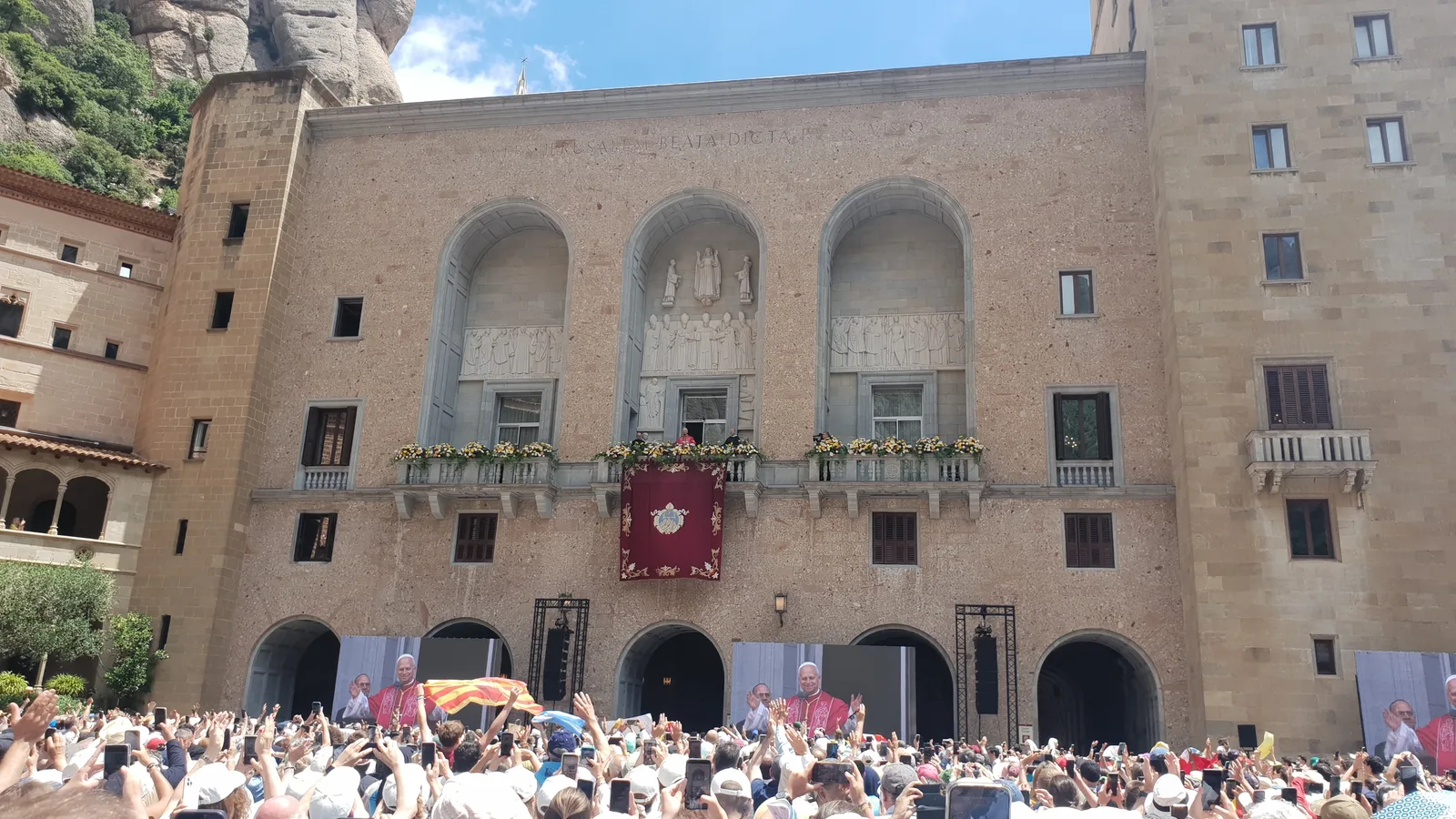 File photo
What happened
Key facts
- Pope Leo has received a cancer diagnosis (per theweek.com, Yahoo, tbsnews.net).
- The diagnosis has raised questions about the future or expected length of Pope Leo’s papacy (per theweek.com, Yahoo, tbsnews.net).
- Pope Leo was 69 when elected 18 months ago (per theweek.com).
- Pope Leo was the youngest person chosen to lead the Catholic Church in 40 years (per theweek.com).
- CNN reported that Vatican and church leaders expected Pope Leo to have a long papacy (per theweek.com).
- Reuters correspondent Joshua McElwee said Pope Leo appeared energetic and spoke in a strong voice when he became pope (per theweek.com).
- The Week says the cancer diagnosis has put expectations about the length of Pope Leo’s papacy in question (per theweek.com).
The brief
Pope Leo’s cancer diagnosis has raised questions about how long his papacy may last, The Week reports. The diagnosis challenges expectations that he would lead the Catholic Church for a long time, the outlet says, while its account does not describe the diagnosis or provide further medical details. The questions stand against the expectations surrounding his election.
Pope Leo was 69 when chosen 18 months ago, and The Week says he was the youngest person selected to lead the Catholic Church in 40 years. It reports that CNN described Vatican and church leaders as expecting him to have a long papacy. The Week also recounts how Pope Leo appeared when he first emerged as pope.
Reuters correspondent Joshua McElwee said he looked energetic and spoke in a strong voice. McElwee’s account, as quoted by The Week, also said he had no known history of health issues at that time. The outlet contrasts that initial impression with the uncertainty now surrounding the expected length of his tenure.
It says Pope Leo, whom it describes as energetic and apparently robust in health, now faces questions about longevity. The account does not say how the diagnosis will affect his duties or identify any change to his role.
The Week further notes that Pope Leo was known to play tennis regularly, a detail it uses alongside its description of his apparent energy and health at the time he became pope. The report presents the diagnosis as putting the earlier expectation of a long papacy in question, rather than giving a revised prediction about its duration.
Yahoo’s headline also links Pope Leo’s cancer diagnosis with the future of his papacy. The Business Standard headline describes the shape of his papacy as more uncertain after the diagnosis. Neither headline adds details about his medical condition or any decision concerning his role.
The central issue reported is the gap between prior expectations of a lengthy tenure and the uncertainty the diagnosis has introduced.
Why it matters
- The diagnosis may affect how cardinals and Vatican officials plan for continuity in Church governance, though it does not by itself change the pope’s authority or mean his papacy will be short. For Catholics worldwide, any interruption or succession could shift the Church’s direction on doctrine, social issues, and diplomacy, with a future conclave deciding who leads those efforts.
What to watch next
- Whether the Vatican or church leaders revise their expectations for the length of Pope Leo’s papacy.
- Whether any change to Pope Leo’s role or duties is reported.
How it's being covered
Coverage analysisShow details3 source articles · 3 unique outletsOutlet political mix: Center Only· 3 CenterWhere the outlets are based: US/Canada 33% · Asia 33% · Other 34%
- Coverage is currently concentrated among Center-rated outlets (3 of 3 rated sources); comparatively few Left or Right-rated outlets have published on the event.
How outlets' accounts compare
Timeline
Developments from this story's sources, dated background we compiled and fact-checked, and our earlier coverage. Each row says which.- The College of Cardinals elects a pope; the office has no fixed term, and a pope may resign, as Benedict did on February 28, 2013.Background · from our historical context
- Pope Francis underwent colon surgery at Gemelli hospital in Rome.Background · compiled and fact-checked by Updat3
- Pope Francis underwent abdominal surgery at Gemelli hospital in Rome.Background · compiled and fact-checked by Updat3
- The 2025 conclave followed Pope Francis’s death on April 21, 2025.Background · from our historical context
- On May 8, 2025, cardinals elected Robert Francis Prevost pope, and he took the name Leo XIV; at 69, he was the youngest person chosen to lead the Catholic Church in about four decades.Background · from our historical context
How we got here
On May 8, 2025, cardinals elected Robert Francis Prevost pope, and he took the name Leo XIV; at 69, he was the youngest person chosen to lead the Catholic Church in about four decades. The 2025 conclave followed Pope Francis’s death on April 21, 2025.
The rules governing that election were set out principally in Pope John Paul II’s 1996 apostolic constitution *Universi Dominici Gregis*, which regulates the conclave and the cardinals’ vote. Pope Benedict XVI’s 2013 amendments changed some procedural provisions, including the rules for reaching a two-thirds majority.
Original sources
1 of 3 articles · Unknown · Show allEvery story links to the reporting it was built from. How we choose sources
Spotted a factual error, a broken link or a misleading summary? Tell us.