
Paul St-Pierre Plamondon asks Quebec lieutenant-governor to skip cabinet ceremony
Paul St-Pierre Plamondon asked Quebec’s lieutenant-governor, Manon Jeannotte, not to attend the new cabinet’s swearing-in ceremony. Quebec’s secretary-general will attend in her place, while Jeannotte will sign the ministers’ appointment letters.
AI-assisted synthesis · Based on 4 independent reports from 5 outlets · Article text read from 2 of 4 reportsHow it's made
View timeline · 8 entries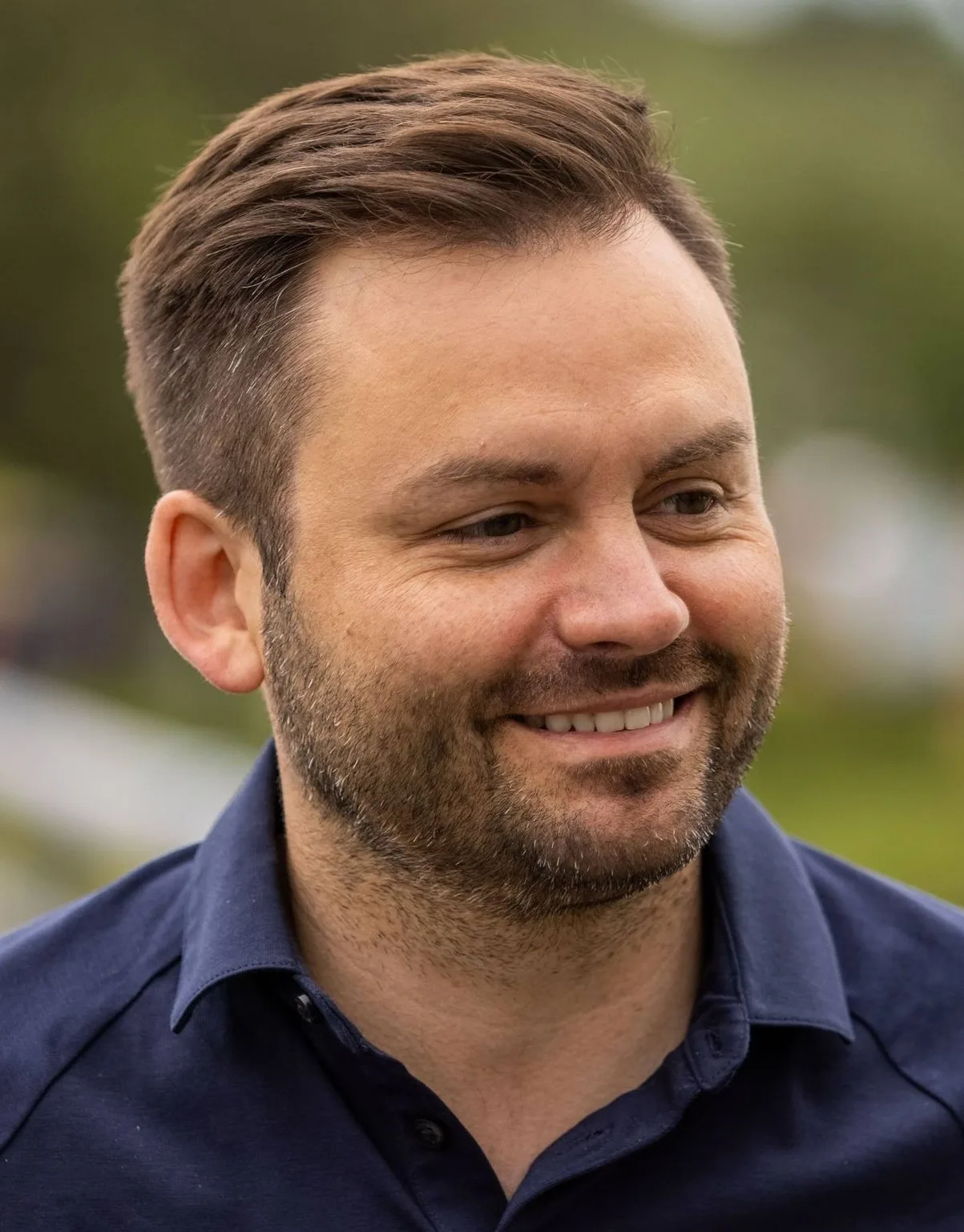 File photo
What happened
Key facts
- Paul St-Pierre Plamondon asked Lieutenant-Governor Manon Jeannotte not to attend the new ministers’ swearing-in ceremony (per The Globe and Mail, montrealgazette.com).
- St-Pierre Plamondon said the request reflects the Parti Québécois’s commitments, including its aim to abolish the monarchy in Quebec’s democratic institutions and civil society (per The Globe and Mail, montrealgazette.com).
- Quebec’s secretary-general will attend the ceremony instead of Jeannotte (per The Globe and Mail, montrealgazette.com).
- After the Oct. 5 election, Quebec lawmakers took an oath of allegiance to the Quebec people rather than King Charles III, under a 2022 Quebec law whose constitutionality is being challenged in court (per The Globe and Mail).
- St-Pierre Plamondon said the governor-general’s and provincial lieutenant-governors’ offices cost taxpayers $60-million annually (per The Globe and Mail).
- St-Pierre Plamondon also does not want Jeannotte present for his inaugural address to the legislature, which was expected around Nov. 24, a week later than originally anticipated (per montrealgazette.com).
The brief
Paul St-Pierre Plamondon has asked Quebec Lieutenant-Governor Manon Jeannotte to stay away from the swearing-in ceremony for his new cabinet, placing the Parti Québécois’s opposition to the monarchy at the centre of the transition. Quebec’s secretary-general will attend instead. Jeannotte will sign the ministers’ appointment documents and watch the ceremony on television. In a letter released to the media, St-Pierre Plamondon said the request accords with the commitments on which the party was elected. The Globe and Mail reports that he described the party as firmly committed to abolishing the monarchy in Quebec’s democratic institutions and civil society. The Montreal Gazette quotes his letter as saying, “The status quo is no longer acceptable.”
The ceremony decision follows a change in the oath taken by Quebec lawmakers. After the Oct. 5 election, lawmakers took an oath of allegiance to the Quebec people rather than King Charles III. The Globe and Mail and Montreal Gazette report that a 2022 Quebec law permits that oath in place of allegiance to the monarch. That law is now before the courts. The Globe and Mail reports that a Quebec Superior Court judge heard arguments on Tuesday in a constitutional challenge. The Montreal Gazette describes the proceeding as a bid for an interim stay on the law and quotes a constitutional lawyer as saying, “It’s about the rule of law.” The Globe and Mail reports that the lawyer said the challenge was not about monarchy versus republicanism. St-Pierre Plamondon also cited the cost of the monarchy’s representative offices: he said the governor-general’s and provincial lieutenant-governors’ offices cost taxpayers $60-million annually. That figure was his stated rationale in a social media statement, while his letter framed the ceremony request around the party’s commitments. The Montreal Gazette reports that St-Pierre Plamondon does not want Jeannotte present when he gives his inaugural address to the legislature either. The address was expected around Nov. 24, a week later than originally anticipated. The swearing-in arrangement preserves Jeannotte’s formal role in signing the appointments while excluding her from the ceremony itself.
Why it matters
- Quebec taxpayers are named in St-Pierre Plamondon’s cost argument: he said the governor-general’s and provincial lieutenant-governors’ offices cost $60-million annually.
- The institutional stakes include the lieutenant-governor’s role in signing ministers’ appointment documents, even though she will not attend the ceremony.
- The Parti Québécois has stated an interest in abolishing the monarchy in Quebec’s institutions and civil society; the oath law’s constitutionality is being challenged in court.
What to watch next
- Whether Jeannotte signs the new ministers’ appointment documents after the ceremony.
- Whether St-Pierre Plamondon excludes Jeannotte from his inaugural address to the legislature, expected around Nov. 24.
- The Quebec Superior Court proceedings on the constitutional challenge to the 2022 law, including the bid for an interim stay.
How it's being covered
Coverage analysisShow details5 source articles · 5 unique outlets · 4 distinct reportsOutlet political mix: Center Only· 4 Center · 1 unratedWhere the outlets are based: US/Canada 80% · Unknown 20%
- Coverage is currently concentrated among Center-rated outlets (4 of 4 rated sources); comparatively few Left or Right-rated outlets have published on the event.
- Coverage is currently concentrated among outlets based in US/Canada (4 of 5 geographically-identified sources).
How outlets' accounts compare
2 framing differences · 3 uncorroborated claims- The Globe and Mail emphasizes the Parti Québécois’s stated campaign against the monarchy and the constitutional challenge; the Montreal Gazette also foregrounds the letter’s rejection of the status quo and the court lawyer’s rule-of-law framing.
- The constitutionality of the 2022 oath law is under challenge; the sources report a court proceeding but no ruling.
- The $60-million annual cost is presented as St-Pierre Plamondon’s claim in a social media statement.
- St-Pierre Plamondon wrote, “The status quo is no longer acceptable.”
- A constitutional lawyer told the Montreal court, “It’s about the rule of law.”
Timeline
Developments from this story's sources, dated background we compiled and fact-checked, and our earlier coverage. Each row says which.- The British North America Act established a lieutenant-governor for each province and required provincial legislators to swear allegiance to the monarch.Background · compiled and fact-checked by Updat3
- René Lévesque founded the Parti Québécois.Background · compiled and fact-checked by Updat3
- Quebec voters rejected a proposal to negotiate sovereignty-association with Canada.Background · compiled and fact-checked by Updat3
- Quebec held a referendum on sovereignty, with voters narrowly rejecting independence.Background · compiled and fact-checked by Updat3
- Paul St-Pierre Plamondon became leader of the Parti Québécois.Background · compiled and fact-checked by Updat3
- That change followed a dispute over the oath requirement after three Parti Québécois members elected in 2022 initially refused to swear allegiance to the King.Background · from our historical context
- The National Assembly adopted the bill in December 2022.Background · from our historical context
- ScheduledSt-Pierre Plamondon also does not want Jeannotte present for his inaugural address to the legislature, which was expected around Nov. 24, a week later than originally anticipated.
How we got here
After Quebec’s Oct. 5 election, newly elected members took an oath to the people of Quebec rather than to King Charles III under a provincial law passed in 2022; the law’s constitutionality was already being challenged in court.
That change followed a dispute over the oath requirement after three Parti Québécois members elected in 2022 initially refused to swear allegiance to the King. The constitutional framework dates to the British North America Act, 1867, now called the Constitution Act, 1867.
Original sources
5 articles from 5 outletsEvery story links to the reporting it was built from. How we choose sources
Spotted a factual error, a broken link or a misleading summary? Tell us.