
Ramaphosa backs removing corrupt police and deploying soldiers in support
Cyril Ramaphosa said police officials involved in corruption or criminal activity should be removed, and that soldiers deployed in crime-affected areas support rather than replace the police. He also said officers committed to serving communities with integrity should remain in their roles.
AI-assisted synthesis · Based on 4 outlets' reporting · Article text read from 1 of 4 outletsHow it's made
View timeline · 8 entries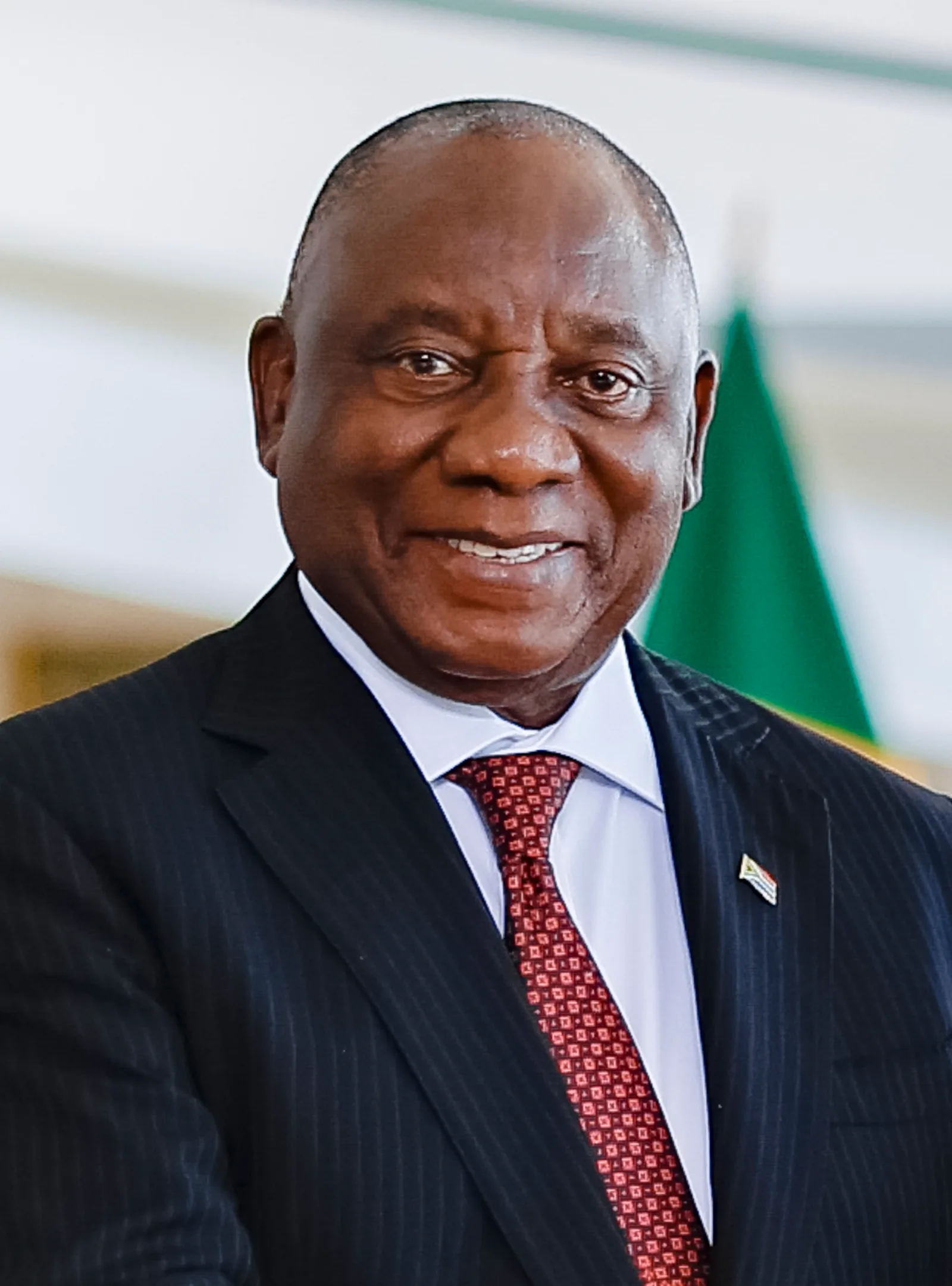 File photo
What happened
Key facts
- Ramaphosa called for police officials involved in corruption or criminal activity to be removed (per channelafrica.co.za, sabcnews.com).
- Ramaphosa said crime remained a serious concern in Cape Town and other parts of South Africa (per channelafrica.co.za).
- Ramaphosa said removing police officials involved in corruption or criminal activity formed part of efforts to strengthen law enforcement (per channelafrica.co.za).
- Ramaphosa said police officers committed to serving communities professionally and with integrity should continue in their roles (per channelafrica.co.za).
- Ramaphosa said South African National Defence Force personnel deployed in crime-affected areas were there to support, not replace, the South African Police Service (per channelafrica.co.za).
- Ramaphosa said soldiers' supportive role had bolstered police work (per channelafrica.co.za).
The brief
South African President Cyril Ramaphosa said police officials involved in corruption or criminal activity should be removed, while soldiers deployed in crime-affected areas should support rather than replace police. Channel Africa reported that Ramaphosa made the remarks during an African National Congress campaign in the Western Cape.
The source gives no specific date for the campaign remarks. Ramaphosa described crime as a serious concern in Cape Town and other parts of South Africa. He said efforts to strengthen law enforcement included identifying and removing police officials involved in corruption or criminal activity.
Channel Africa reported his remarks; they are his stated position, not an account of particular removals or investigations. He also said police officers committed to serving communities professionally and with integrity should continue in their roles.
His comments thus distinguished between officials he said should be removed and officers he said should remain, based on their conduct and commitment to public service. On military deployment, Ramaphosa said South African National Defence Force personnel in crime-affected areas had a supportive role and were not intended to replace the South African Police Service.
He said that support had bolstered police work. The source does not identify the deployment areas or give operational details beyond describing them as crime-affected. SABC News’s headline also attributes to Ramaphosa a call to root out police corruption to restore public trust.
IOL’s headline says he urged African National Congress supporters to vote in numbers in the Western Cape; it does not add details about his remarks on policing.
SuaraGarut.ID’s headline says Ramaphosa reinstated Masemola as South Africa police chief, but its headline alone does not establish how that matter relates to the Western Cape remarks or the proposed removal of corrupt officials.
The account centres on Ramaphosa’s stated positions: removing police officials involved in corruption or criminal activity, retaining officers committed to professional service, and using soldiers in a supporting role. It does not describe specific removals, identify police officials accused of misconduct, or detail particular investigations or disciplinary cases.
Why it matters
- Police officials involved in corruption or criminal activity could face removal under the approach Ramaphosa described; the stated mechanism is removal from police service.
- The South African Police Service remains responsible for policing in crime-affected areas: Ramaphosa said deployed South African National Defence Force personnel support rather than replace it.
- Residents of Cape Town and other parts of South Africa are the communities affected by the crime concern Ramaphosa described, though the account provides no impact figures.
- Ramaphosa said officers committed to professional service and integrity should keep their roles, making continued service a stated counterpart to removing officials involved in misconduct.
What to watch next
- Whether Ramaphosa or the South African government identifies police officials for removal over corruption or criminal activity.
- Whether the South African National Defence Force continues deployments in crime-affected areas in the supporting role Ramaphosa described.
- Whether the South African Police Service retains officers whom Ramaphosa characterized as committed to professional service and integrity.
How it's being covered
Coverage analysisShow details4 source articles · 4 unique outletsOutlet political mix: Mostly Center· 1 Left · 2 Center · 1 unratedWhere the outlets are based: Africa 50% · Asia 25% · Other 25%
How outlets' accounts compare
Timeline
Developments from this story's sources, dated background we compiled and fact-checked, and our earlier coverage. Each row says which.- South Africa adopted an Interim Constitution that provided for a national police service.Background · compiled and fact-checked by Updat3
- South Africa passed the South African Police Service Act, setting out the police service’s structure and duties.Background · compiled and fact-checked by Updat3
- The Constitution of the Republic of South Africa, adopted in 1996, established the SAPS as the national police service and assigned it responsibilities including preventing, combating and investigating crime.Background · from our historical context
- South Africa passed the Defence Act, which governs the SANDF and its employment.Background · compiled and fact-checked by Updat3
- Police killed 34 mineworkers at Marikana, and the Farlam Commission was appointed to investigate the killings.Background · compiled and fact-checked by Updat3
- The Farlam Commission submitted its report on the Marikana killings.Background · compiled and fact-checked by Updat3
- In 2018, the Commission of Inquiry into State Capture, chaired by Deputy Chief Justice Raymond Zondo, began examining allegations of corruption in state institutions, including law-enforcement bodies.Background · from our historical context
- In July 2019, President Cyril Ramaphosa announced the deployment of South African National Defence Force personnel to gang-affected areas of the Western Cape, including parts of Cape Town, to support the police.Background · from our historical context
How we got here
In July 2019, President Cyril Ramaphosa announced the deployment of South African National Defence Force personnel to gang-affected areas of the Western Cape, including parts of Cape Town, to support the police.
The deployment, known as Operation Prosper, placed soldiers in a supporting role while the South African Police Service retained responsibility for policing and arrests. The Constitution of the Republic of South Africa, adopted in 1996, established the SAPS as the national police service and assigned it responsibilities including preventing, combating and investigating crime.
Original sources
2 of 4 articles · Africa · Show allEvery story links to the reporting it was built from. How we choose sources
Spotted a factual error, a broken link or a misleading summary? Tell us.