
Rep. Delia Ramirez proposes abolishing DHS to create Department of Community Safety
Rep. Delia C. Ramirez introduced the Reimagining Safety Act to repeal the Homeland Security Act, abolish the Department of Homeland Security and terminate ICE, CBP, TSA and USCIS. The bill would replace DHS with a Department of Community Safety that restructures immigration and security functions, closes immigration detention facilities and frames public safety through a public-health lens.
AI-assisted synthesis · Based on 5 outlets' reporting · Full text read from 4 of 5 outletsHow it's made
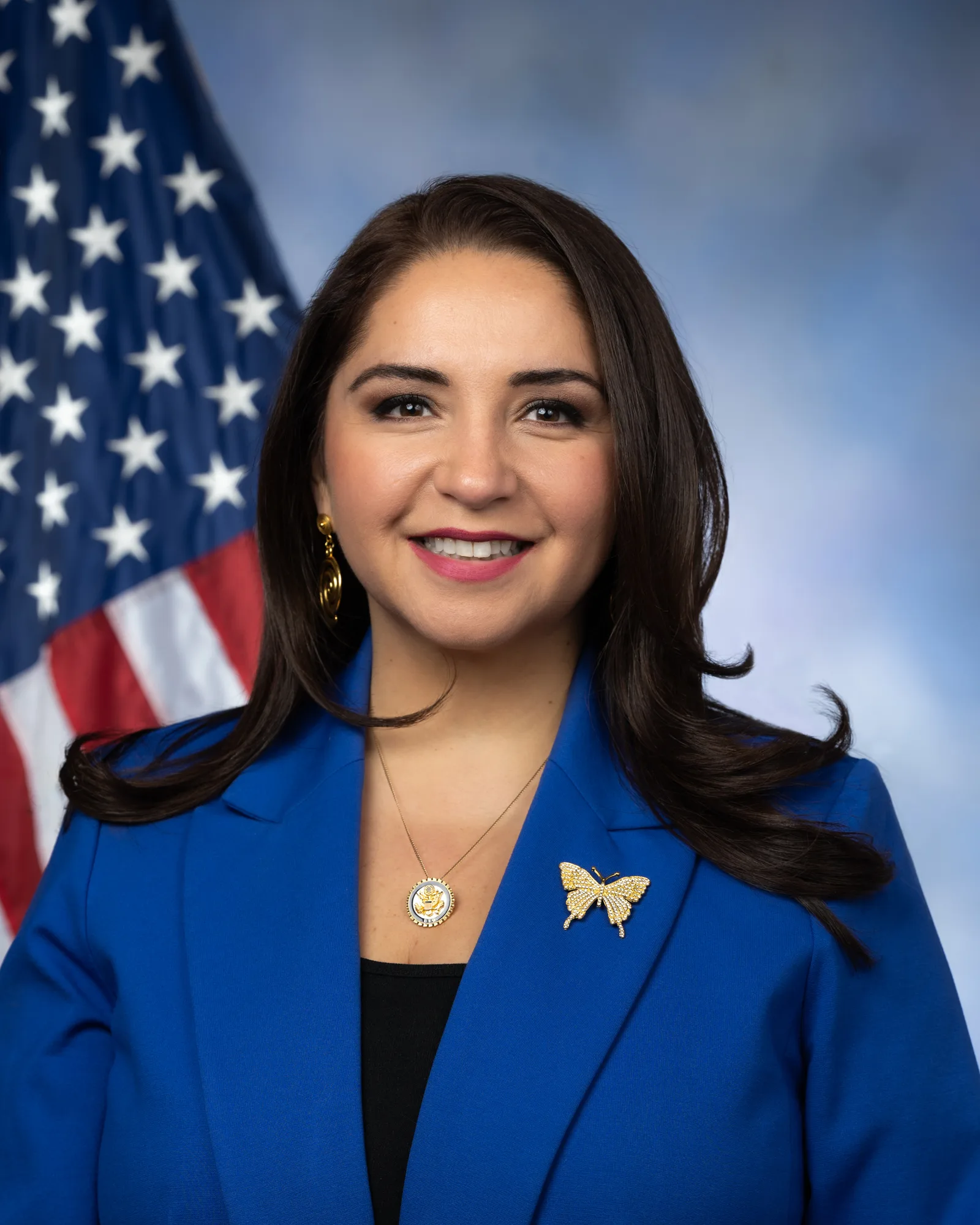 File photo
What happened
Key facts
- The proposal would create a new Department of Community Safety to replace DHS and restructure those agencies into separate authorities under that department (per ssbcrack.com, Washington Examiner, aa.com.tr).
- Ramirez said DHS was founded 'out of a profound national trauma' and asserted the department has an overbroad mission and uses tools that 'terrorize us.' (per ssbcrack.com, Washington Examiner, aa.com.tr).
- The proposed Department of Community Safety would address issues including gun violence and disaster response through a public-health lens (per ssbcrack.com, Washington Examiner, aa.com.tr).
- Representatives Adelita Grijalva, Jim McGovern and Rashida Tlaib are listed as co-sponsors of Ramirez's legislation in news.ssbcrack.com (per ssbcrack.com).
The brief
Rep. Delia C. Ramirez, a Democratic member of the U.S. House of Representatives, has introduced legislation called the Reimagining Safety Act that would repeal the Homeland Security Act and abolish the Department of Homeland Security. The text and summaries circulated in news reports state the bill would terminate ICE, CBP, TSA and U.S. Citizenship and Immigration Services and replace DHS with a new Department of Community Safety that restructures immigration and security functions into separate authorities. Ramirez framed the proposal as a corrective to what she described as the department’s origins and conduct; multiple sources quote her saying DHS was founded 'out of a profound national trauma' and arguing it exercised an 'overbroad mission' and used tools that 'terrorize us.'
The legislation would require the closure of all immigration detention facilities, according to reporting, and would reorient public-safety work such as gun-violence prevention and disaster response through a public-health approach inside the new department. One source lists Representatives Adelita Grijalva, Jim McGovern and Rashida Tlaib as co-sponsors, and another outlet situates the filing on a Tuesday shortly before the midterm elections, noting that some Democrats have been moving away from 'abolish ICE' messaging as campaigns approach. Different outlets present the proposal with distinct emphases. news.ssbcrack.com and theintercept.com highlight the bill’s broader dismantling of post‑9/11 security structures and its call to repeal certain terrorism laws and surveillance authorities, while Washington Examiner framed the move in electoral terms, stressing timing ahead of midterms and political risk for Democrats. theintercept.com connected the bill’s introduction to recent high-profile incidents involving federal immigration enforcement, citing a nearby report of shootings by federal immigration agents and deaths in ICE custody as part of the bill’s immediate context; that linkage is presented as context by the outlet rather than as a legislative trigger recorded in the bill text. The Reimagining Safety Act, as described in the reporting, would not simply eliminate existing agencies but would reconstitute their functions under a Department of Community Safety intended to prioritize civil and human rights and public-health approaches to safety. Reporting indicates advocacy groups and grassroots organisations have expressed support for the proposal, and one source lists more than 40 advocacy groups backing aspects of Ramirez’s positions on civil liberties and agency overreach. The articles together document what the bill would change institutionally and what Ramirez and supporters argue motivates the measure, but they do not provide an independent legal analysis of how quickly the statutory repeal and institutional reorganisation could proceed if the bill advanced, nor do they report legislative supporters' vote counts or formal endorsements from congressional leadership. Coverage also does not supply a text-quoted timetable for closing detention facilities or the operational steps for transferring responsibilities from the abolished agencies to new authorities. Lawmakers and commentators quoted or summarised in the coverage frame the proposal differently: supporters portrayed it as a rights-protecting reimagining of federal safety structures, while other outlets emphasised political risk and the radical nature of abolishing a major cabinet department established after the Sept. 11, 2001 attacks. The reporting provides the central legislative aims, named co-sponsors cited in one source, the claim set by Ramirez about DHS’s founding and conduct, and the policy details highlighted by Ramirez’s office and allied advocates, while leaving open the legislative prospects and operational specifics for implementation.
Why it matters
- Communities detained in immigration facilities face a concrete mechanism of change: the bill would close all immigration detention facilities, directly affecting detained noncitizens and the agencies that operate those facilities.
- Federal law-enforcement employees at ICE, CBP, TSA and USCIS would face structural unemployment or reassignment because the legislation would terminate those agencies and transfer functions into new authorities within a Department of Community Safety.
- Advocacy groups and listed congressional co-sponsors stand to shape relocation of responsibilities for emergency response and gun-violence prevention because the bill explicitly reframes those duties through a public-health lens, altering funding and program design priorities documented in the proposal.
- Campaign politics are implicated: the bill was filed shortly before the midterm elections, which the coverage cites as a factor that could affect Democratic messaging and party strategy in districts where 'abolish ICE' is politically contested.
What to watch next
- Whether the House Judiciary or Homeland Security committees schedule hearings or markups on the Reimagining Safety Act as filed by Rep. Delia C. Ramirez, according to congressional calendars and notices.
- Whether named co-sponsors Adelita Grijalva, Jim McGovern and Rashida Tlaib publicly press for a floor vote or submit companion measures in committee.
- Whether congressional leadership or relevant committee chairs release formal statements or score the bill’s budgetary impact based on the department-abolition provisions.
- Whether advocacy groups that reported support issue coordinated lobbying or public campaigns tied to specific congressional districts where the midterm election is cited as a factor.
How it's being covered
Coverage analysisShow details5 source articles · 5 unique outletsCoverage mix: Mixed· 1 Left · 1 Center · 1 RightWhere the outlets are based: US/Canada 40% · Middle East 20% · Other 40%
How outlets' accounts compare
5 framing differences · 2 uncorroborated claims · 4 information gaps- news.ssbcrack.com and theintercept.com emphasise dismantling post‑9/11 security structures and civil‑liberties rationale; Washington Examiner frames the bill chiefly as a politically risky move filed close to midterm elections.
- theintercept.com links the timing of the bill to recent incidents involving federal immigration enforcement, while Washington Examiner emphasises electoral timing without citing those incidents.
- theintercept.com reports 'at least 28 people have reportedly died in ICE custody this year' and notes 'at least 25 people shot by federal immigration agents in the past year' in its context; those figures appear only in theintercept.com.
- theintercept.com presents the bill’s introduction as occurring a day after a raid on Rep. Ilhan Omar’s home and ties it to recent enforcement incidents, while other sources do not present those incidents as the trigger for Ramirez’s filing.
- news.ssbcrack.com and Washington Examiner and aa.com.tr attribute the motive and quoted language about DHS’s founding and conduct directly to Rep. Delia C. Ramirez; theintercept.com provides contextual incidents as background but attributes those incidents to reporting it cites.
- 'DHS was founded out of a profound national trauma' is quoted as Ramirez's phrasing across news.ssbcrack.com and Washington Examiner and aa.com.tr.
- news.ssbcrack.com claims more than 40 advocacy groups support aspects of Ramirez's position; theintercept.com documents recent shootings and custody deaths as context for the bill.
- None of the supplied sources publishes the bill text excerpts that would set an operational timetable for closing detention facilities or transferring functions, leaving implementation mechanics unreported.
- No report Updat3 read supplies vote counts, endorsements from congressional leadership, or formal cost estimates from the Congressional Budget Office for abolishing DHS and creating a new cabinet department.
- No source details the employment or contract consequences for federal workers and private contractors currently operating detention facilities or border security functions.
- No source provides a legislative timeline or procedural record showing when or whether committees will act on the bill; Washington Examiner says the bill was filed on a Tuesday before midterms but does not give a date for next steps.
How we got here
The immediate backdrop was a sequence of legislative and political moves dating back to the post-2018 debate over immigration enforcement: in April 2018 the Trump administration’s “zero tolerance” criminal prosecution policy for unauthorized border crossings and the resulting family-separation removals drew sustained congressional and public criticism and renewed calls by some Democrats to abolish U.S.
Immigration and Customs Enforcement (ICE). The statutory structure these debates target was created by the Homeland Security Act of 2002 (enacted November 25, 2002), which Congress passed after the terrorist attacks of September 11, 2001, and which formally established the Department of Homeland Security to consolidate domestic security functions.
Original sources
2 of 5 articles · US/Canada · Show allEvery story links to the reporting it was built from. How we choose sources
Spotted a factual error, a broken link or a misleading summary? Tell us.