
Navy and Marine Boards Defy Pentagon Guidance, retain members in 9 of 12 cases
Navy and Marine Corps review boards voted to retain transgender-identifying service members in nine of 12 cases, according to Breitbart. The votes ran against Pentagon instructions to recommend discharge, Breitbart reported.
AI-assisted synthesis · Based on 4 outlets' reporting · Article text read from 1 of 4 outletsHow it's made
View timeline · 7 entries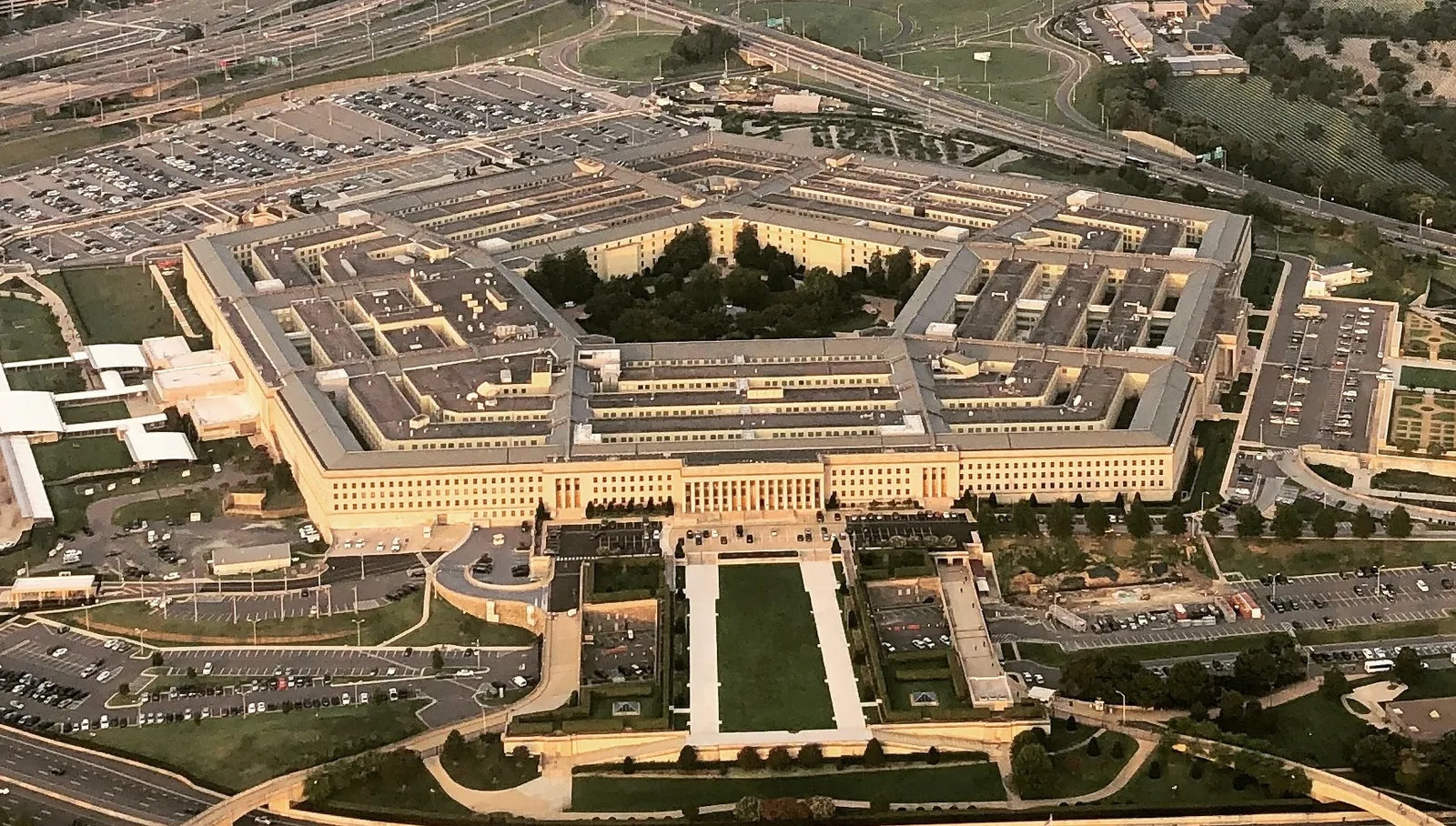 File photo
What happened
Key facts
- Navy and Marine Corps review boards voted to retain transgender-identifying service members (per Breitbart, The Daily Wire).
- The boards voted to retain service members in nine of 12 cases (per Breitbart).
- The Pentagon had instructed the boards to recommend discharge (per Breitbart).
The brief
Navy and Marine Corps review boards voted to retain transgender-identifying service members in nine of 12 cases, despite Pentagon instructions to recommend discharge, Breitbart reported, citing a report from The New York Times.
The votes concern individual cases reviewed by military boards; the account describes them as resistance among some boards to President Donald Trump’s transgender military ban. Breitbart says the cases are part of legal challenges following Trump’s January 27 executive order, Prioritizing Military Excellence and Readiness.
The order stated that expressing a gender identity divergent from an individual’s sex could not satisfy the standards for military service. The source does not give the year for January 27, so the date is not specified more precisely here. The report also describes evidence presented during a hearing.
A government attorney introduced documents from 2017 that, according to Breitbart, showed that Contreras had changed genders. The account does not identify Contreras by a first name or provide further details about the hearing or the individual case.
Separately, Breitbart reports that in February Hegseth directed the Pentagon to pause new accessions involving individuals with a history of gender dysphoria and medical procedures associated with gender transitions. The source does not state the year of that February directive, or say that the pause determined the outcomes in the nine board cases.
Defense officials reported that 4,240 troops across active-duty forces, the National Guard and reserves had been diagnosed with gender dysphoria as of December 9, 2024. Breitbart adds that the total could be higher, without giving a revised estimate. The figure describes the diagnosed population across those service categories, not the number of cases considered by the boards.
The Daily Wire’s headline also says Navy and Marine Corps boards voted to keep transgender-identifying troops, while Mediaite’s headline characterizes military boards as defying Hegseth’s orders. The New York Times headline frames the votes as boards rejecting orders that barred transgender troops.
Those headlines do not add case counts or details beyond their stated framing; the nine-of-12 figure and the Pentagon instruction to recommend discharge are reported in Breitbart’s account.
Why it matters
- The votes could delay or complicate the Pentagon’s effort to discharge transgender service members, allowing those retained to continue serving while their cases proceed. The divergence also raises questions about how consistently the department’s policy will be applied and could become relevant in legal challenges to the policy.
What to watch next
- Whether Navy and Marine Corps review boards retain or recommend discharge in cases beyond the nine of 12 reported.
- Whether the Pentagon changes its instructions to review boards.
- Whether the February pause on new accessions involving the specified histories and medical procedures remains in effect.
How it's being covered
Coverage analysisShow details4 source articles · 4 unique outletsOutlet political mix: Mixed· 1 Left · 1 Center · 2 RightWhere the outlets are based: US/Canada 100%
- Coverage is currently concentrated among outlets based in US/Canada (4 of 4 geographically-identified sources).
How outlets' accounts compare
Timeline
Developments from this story's sources, dated background we compiled and fact-checked, and our earlier coverage. Each row says which.- The repeal took effect on September 20, 2011.Background · from our historical context
- Defense Secretary Ash Carter announced that transgender people could serve openly in the military.Background · compiled and fact-checked by Updat3
- In July 2017, Trump announced on social media that the United States would not allow transgender people to serve “in any capacity.”Background · from our historical context
- The Supreme Court allowed the administration’s transgender military policy to proceed while litigation continued.Background · compiled and fact-checked by Updat3
- The Trump administration’s transgender military policy took effect.Background · compiled and fact-checked by Updat3
- On January 27, 2025, President Donald Trump signed Executive Order 14183, “Prioritizing Military Excellence and Readiness,” directing the Defense Department to change its policy on transgender military service.Background · from our historical context
- On May 6, 2025, the U.S. Supreme Court allowed the administration to enforce its policy while legal challenges continued.Background · from our historical context
How we got here
On January 27, 2025, President Donald Trump signed Executive Order 14183, “Prioritizing Military Excellence and Readiness,” directing the Defense Department to change its policy on transgender military service. On February 26, Defense Secretary Pete Hegseth issued a memorandum implementing the order and setting out standards for military service. On May 6, 2025, the U.S.
Supreme Court allowed the administration to enforce its policy while legal challenges continued. On June 30 of that year, Defense Secretary Ash Carter announced that transgender people could serve openly and that the Pentagon would establish procedures for those already serving to transition.
Original sources
4 articles from 4 outlets · US/Canada · Show allEvery story links to the reporting it was built from. How we choose sources
Spotted a factual error, a broken link or a misleading summary? Tell us.