
EU sanctions Vladimir Sokolov over North Korean worker platform
The Japan Times says the EU sanctioned Vladimir Sokolov, director of the KNDR.su platform, which Global Rights Compliance says helps Russian employers hire North Korean workers. The outlet says the platform’s practices benefit Russia’s war effort in Ukraine.
AI-assisted synthesis · Based on 5 outlets' reporting · Article text read from 1 of 5 outlets · short excerpt from 1 moreHow it's made
View timeline · 7 entries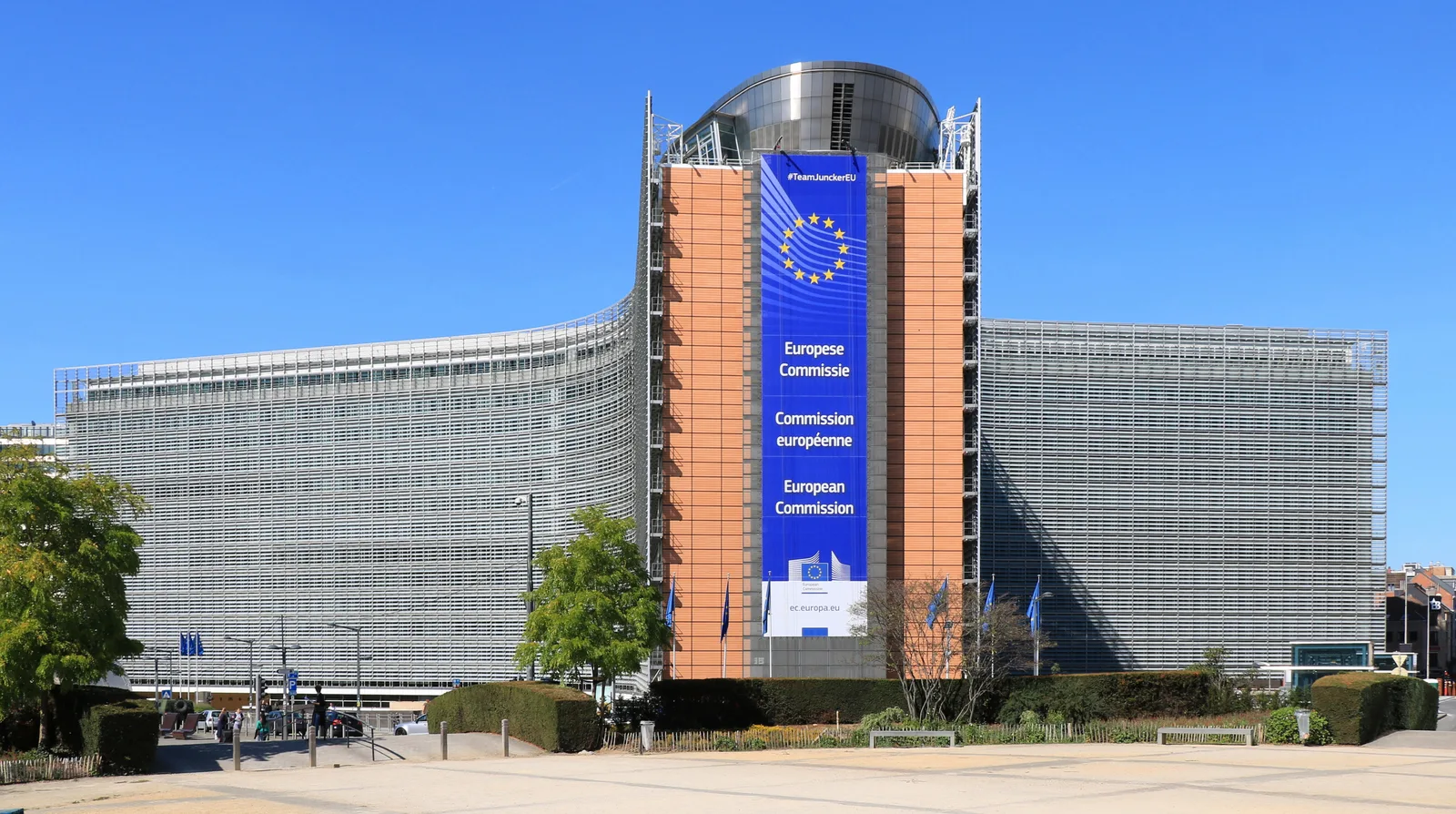 File photo
What happened
Key facts
- Global Rights Compliance says KNDR.su helps Russian employers hire North Korean workers (per The Japan Times, lbc.co.uk).
- Global Rights Compliance says the platform employs North Korean workers in violation of international law (per The Japan Times, lbc.co.uk).
- Nikkei Asia says North Korean workers entering Russia are disguised as students (per nikkei.com, lbc.co.uk, The Japan Times).
- Traders Union says factories in Russia use a North Korean labor network (per tradersunion.com, lbc.co.uk, The Japan Times).
- The workers are said to face 12-hour days in sweatshop-like conditions (per lbc.co.uk).
The brief
The EU sanctioned Vladimir Sokolov, whom The Japan Times identifies as director of KNDR.su, a platform that Global Rights Compliance says helps Russian employers hire North Korean workers. The Japan Times reports that the organization considers the platform’s employment practices a breach of international law and says they benefit Russia’s war effort in Ukraine.
The Japan Times describes KNDR.su as a channel for employers seeking North Korean workers. NBC News likewise connects North Korean workers sent to Russia with support for Russia’s war effort, while Nikkei Asia says some workers are presented as students. Traders Union describes Russian factories as using a North Korean labor network.
Those headlines characterize related aspects of the reporting but do not give further detail about Sokolov or the sanctions. Global Rights Compliance investigators examined the operation in Russia by posing as prospective employers, according to LBC. The organization counted approximately 30 North Korean workers across the footage it reviewed.
LBC also says workers are reported to face 12-hour workdays in conditions described as sweatshop-like. LBC identifies one facility as “Kristall,” in Obninsk, Kaluga Oblast. It says the facility distils and bottles spirits, including Russian-made substitutes for international brands previously imported before Russia’s full-scale invasion of Ukraine in 2022.
This account offers a specific workplace example alongside the wider claims about recruitment and employment. The sources describe distinct parts of the alleged arrangement: KNDR.su’s role in connecting employers and workers, the reported student cover, factory employment, and conditions at a facility examined by Global Rights Compliance.
The organization says the platform’s practices violate international law; the available account does not identify a court or other body that has made a legal finding about that claim. The EU’s sanction on Sokolov is the documented official measure in the coverage.
The source material does not state the sanction’s specific restrictions or describe a response from Sokolov, KNDR.su, or the Russian government. The reporting links the platform’s use to Russia’s war effort, but does not provide a further account of how the workers’ employment supports it.
Why it matters
- North Korean workers are the population directly implicated: Global Rights Compliance says KNDR.su helps Russian employers hire them and that the platform employs them in violation of international law.
- LBC reports that workers are said to face 12-hour days in sweatshop-like conditions; this identifies the stated labor-related cost, while the account gives no total workforce figure beyond approximately 30 workers counted in footage.
- Global Rights Compliance says the platform’s practices benefit Russia’s war effort in Ukraine, and the EU sanctioned platform director Vladimir Sokolov.
What to watch next
- Whether the EU specifies the restrictions imposed on Vladimir Sokolov.
- Whether Vladimir Sokolov or KNDR.su responds to the sanction or the claims about the platform.
- Whether Global Rights Compliance publishes further findings about recruitment, worker numbers, or workplace conditions.
How it's being covered
Coverage analysisShow details5 source articles · 5 unique outletsOutlet political mix: Mixed· 1 Left · 3 Center · 1 RightWhere the outlets are based: Asia 40% · US/Canada 20% · Other 40%
One source is from a wire service (AP, Reuters, AFP or Bloomberg), whose reporting other outlets often republish.
How outlets' accounts compare
Timeline
Developments from this story's sources, dated background we compiled and fact-checked, and our earlier coverage. Each row says which.- Russian Far East construction and logging projects employed North Korean workers from the Soviet era, and the practice continued after the Soviet Union dissolved in 1991.Background · from our historical context
- The European Union’s restrictions on North Korea include measures implementing Security Council resolutions, alongside EU sanctions adopted independently since 2006.Background · from our historical context
- In 2007, Russia and North Korea signed an agreement on temporary labor migration, providing a bilateral framework for workers to travel for employment.Background · from our historical context
- The framework governing North Korean workers abroad was established by United Nations Security Council resolutions in 2017.Background · from our historical context
- The European Union adopted its first sanctions against Russia over its recognition of separatist regions in eastern Ukraine.Background · compiled and fact-checked by Updat3
- Russia launched its full-scale invasion of Ukraine.Background · compiled and fact-checked by Updat3
- North Korea sent troops to support Russia’s war against Ukraine, according to South Korean and Western officials.Background · compiled and fact-checked by Updat3
How we got here
The framework governing North Korean workers abroad was established by United Nations Security Council resolutions in 2017. On September 11, Resolution 2375 barred states from issuing new work permits to North Korean nationals, subject to limited exceptions.
On December 22, Resolution 2397 required member states to repatriate North Korean workers earning income abroad by December 22, 2019, again with limited exceptions. On September 3, 2017, North Korea conducted its sixth nuclear test; the Security Council adopted Resolution 2375 eight days later.
Original sources
1 of 5 articles · US/Canada · Show allEvery story links to the reporting it was built from. How we choose sources
Spotted a factual error, a broken link or a misleading summary? Tell us.