
Reuters says Pentagon privately urged Baltic allies to soften Russia rhetoric
The Pentagon privately urged Baltic NATO states to tone down public statements about Russia, according to Reuters. The Independent reports that the officials warned such language could undermine European security and increase tensions, while the request coincides with renewed U.S. efforts to seek a negotiated end to the war in Ukraine.
AI-assisted synthesis · Based on 4 independent reports from 5 outlets · Article text read from 2 of 4 reportsHow it's made
View timeline · 11 entries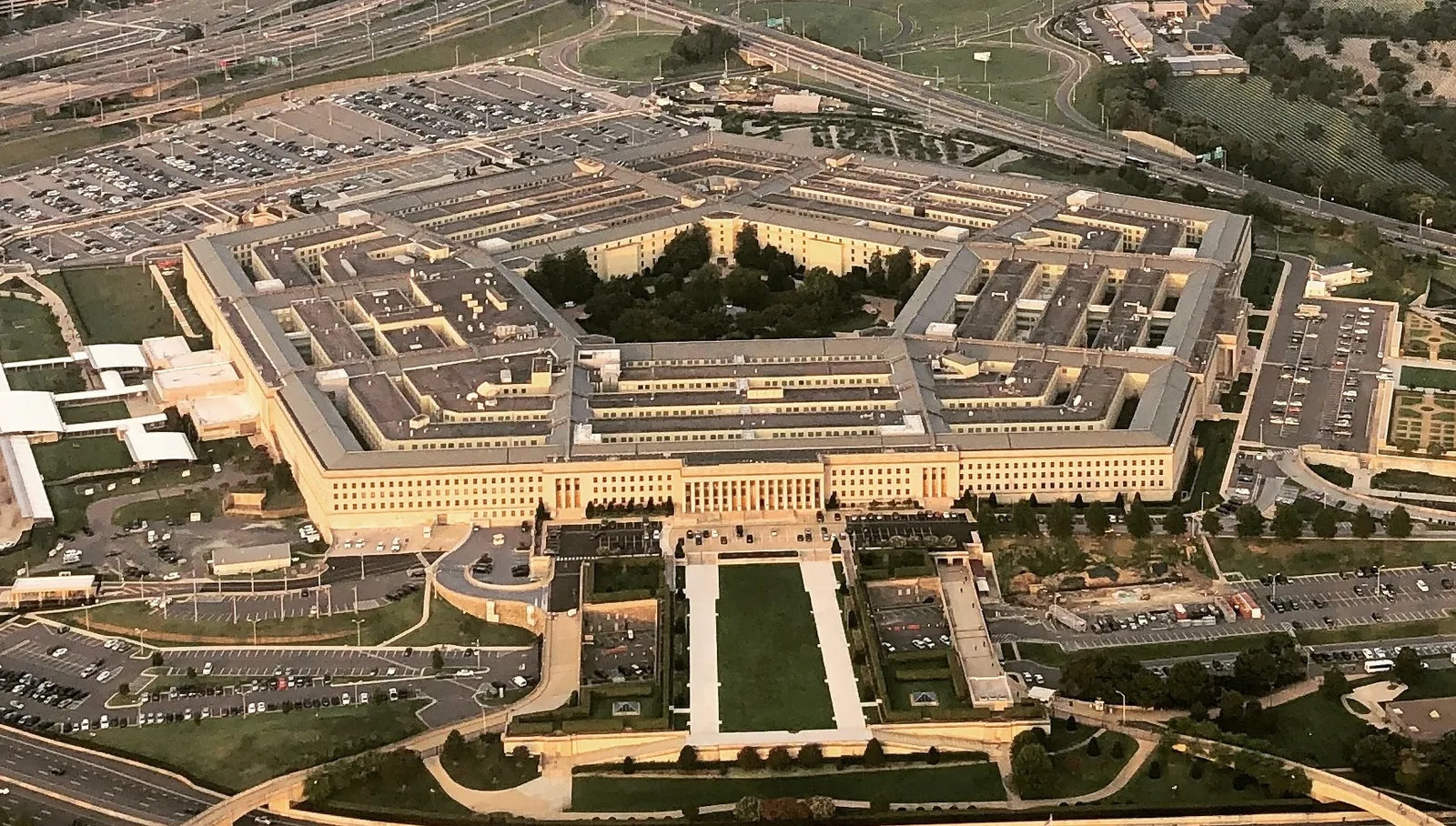 File photo
What happened
Key facts
- The Pentagon privately urged Baltic NATO states to soften their public rhetoric about Russia (per rt-english.com, The Independent, ukranews.com).
- Reuters reported that the Pentagon told Europeans to cool their rhetoric on Russia (per Reuters, rt-english.com, The Independent).
- Pentagon officials warned that forceful European statements could undermine European security (per rt-english.com, The Independent).
- The Independent reported that Pentagon officials also warned that forceful statements could escalate tensions (per The Independent, rt-english.com).
- A European official told Reuters that Washington’s message was, “We are helping you. The Americans are there,” and another European official described the advice as “baffling.” (per rt-english.com).
The brief
The Pentagon privately urged Baltic NATO states to soften their public statements about Russia, according to Reuters. The Independent reported that Lithuania, Latvia and Estonia were among the allies approached. The requests concerned how European officials describe the threat posed by Russia, rather than a publicly announced change in NATO policy.
Reuters reported that Pentagon policy chief Elbridge Colby conveyed the message to a Baltic official. Four people familiar with the matter told Reuters that Colby advised the official against “poking” Moscow. The Independent described Colby as cautioning European officials against language that could suggest Russia was cornered.
The accounts identify Colby as the official delivering the appeal, while Reuters’ sources describe a private exchange. The Pentagon officials’ stated concern, as reported by both outlets, was that forceful public language could undermine European security. The Independent also reported a warning that such statements could escalate tensions.
That additional emphasis links the officials’ argument to the potential effects of rhetoric; neither account reports a specific Russian action that prompted the appeal. The request coincided with U.S. efforts to pursue a negotiated end to the war in Ukraine with Moscow.
Reuters characterized the effort as a diplomatic push to reach a settlement, while The Independent described the administration as restarting efforts to secure a negotiated end. Both accounts therefore place the Pentagon’s appeal alongside U.S. diplomacy, without reporting that the Baltic governments changed their public statements as a result.
Reuters also reported contrasting reactions from two European officials. One said Washington’s message was, “We are helping you. The Americans are there,” while another called the advice “baffling.” The latter official said Baltic intelligence services had already played down the likelihood of a direct Russian assault on NATO.
That assessment is the official’s account, not an independently established finding in the reporting. The sources describe the appeal as directed at Baltic allies, with The Independent naming Lithuania, Latvia and Estonia, and Reuters reporting a message to a Baltic official. Reuters’ headline refers more broadly to Europeans, but its account focuses on the Baltic states.
The coverage does not identify a specific public response from the three governments or establish whether other NATO members received similar requests. The accounts also connect the message to a review of U.S. forces in Europe.
Reuters described Colby as a key figure in an ongoing review of U.S. troop levels, while The Independent said the review of the U.S. force posture could potentially lead to a significant drawdown. Neither account reports that a troop reduction has been decided.
The reported appeal thus combines a warning about public language with U.S. diplomatic efforts and an ongoing assessment of its military presence in Europe.
Why it matters
- Lithuania, Latvia and Estonia are among the named allies asked to soften public language about Russia; the reported mechanism is a private Pentagon appeal tied to officials’ concern about European security.
- European officials face a stated tension between Washington’s request to moderate rhetoric and one official’s view that the advice was “baffling,” given that Baltic intelligence services had played down the likelihood of a direct Russian assault on NATO.
- The U.S. force-posture review could potentially lead to a significant drawdown, according to The Independent; Reuters describes an ongoing review of U.S. troop levels, but neither outlet reports a decision.
What to watch next
- Whether Lithuania, Latvia or Estonia changes its public statements about the threat posed by Russia.
- Whether the Pentagon extends similar requests to other NATO allies.
- Whether the U.S. force-posture review results in a troop drawdown in Europe.
How it's being covered
Coverage analysisShow details5 source articles · 5 unique outlets · 4 distinct reportsOutlet political mix: Mostly Center· 1 Left · 2 Center · 2 unratedWhere the outlets are based: Europe 40% · Unknown 40% · Other 20%
One source is from a wire service (AP, Reuters, AFP or Bloomberg), whose reporting other outlets often republish.
How outlets' accounts compare
3 framing differences · 2 uncorroborated claims · 3 information gaps- Reuters frames the appeal as a private warning to the Baltic NATO states and describes the broader U.S. effort as a diplomatic push; The Independent names Lithuania, Latvia and Estonia and also says the rhetoric could escalate tensions.
- The Independent describes the administration’s Ukraine diplomacy as restarting efforts for a negotiated end; Reuters calls it an intensified diplomatic push.
- Reuters attributes the private message and the “poking” advice to people familiar with the matter; The Independent describes Colby’s caution to European officials without specifying the same source basis.
- A European official told Reuters, “We are helping you. The Americans are there.”
- Another European official told Reuters that Washington’s advice was “baffling” and said Baltic intelligence services had played down the likelihood of a direct Russian assault on NATO.
- The sources do not provide the Baltic governments’ own account of the request or their public reaction.
- The sources do not give civilian casualty figures or describe a specific event that triggered the Pentagon’s appeal.
- Reuters says it is unclear whether other NATO countries received a similar warning.
Timeline
Developments from this story's sources, dated background we compiled and fact-checked, and our earlier coverage. Each row says which.- The Soviet Union had occupied and annexed Estonia, Latvia and Lithuania in 1940, though the United States and several other Western governments did not recognize the annexations.Background · from our historical context
- Twelve countries signed the North Atlantic Treaty, founding NATO.Background · compiled and fact-checked by Updat3
- In 1990, discussions between Western officials and Soviet leaders included assurances about NATO’s military presence in eastern Germany; the scope and meaning of those assurances later became disputed.Background · from our historical context
- The Soviet Union dissolved in 1991, and the three countries restored independence that year.Background · from our historical context
- Estonia, Latvia and Lithuania joined NATO.Background · compiled and fact-checked by Updat3
- At its April 2008 Bucharest summit, NATO declared that Ukraine and Georgia “will become members,” without setting an accession date.Background · from our historical context
- In 2014, after Ukraine’s Euromaidan protests and the removal of President Viktor Yanukovych, Russia annexed Crimea; armed conflict began in Donbas that year.Background · from our historical context
- The immediate security backdrop was Russia’s full-scale invasion of Ukraine on February 24, 2022, after which NATO reinforced its eastern flank and the Baltic states increased attention to deterrence.Background · from our historical context
- At the June 2022 Madrid summit, NATO designated Russia a direct threat to allied security and approved a new force posture that included strengthening forward defenses.Background · from our historical context
- Vladimir Putin set conditions for a ceasefire and negotiations, including Ukraine withdrawing from four regions Russia claimed to have annexed; Ukraine rejected the terms.Background · compiled and fact-checked by Updat3
- Donald Trump’s inauguration as U.S. president on January 20, 2025, placed a new administration in office while those NATO commitments remained in place.Background · from our historical context
How we got here
The immediate security backdrop was Russia’s full-scale invasion of Ukraine on February 24, 2022, after which NATO reinforced its eastern flank and the Baltic states increased attention to deterrence. At the June 2022 Madrid summit, NATO designated Russia a direct threat to allied security and approved a new force posture that included strengthening forward defenses.
Donald Trump’s inauguration as U.S. president on January 20, 2025, placed a new administration in office while those NATO commitments remained in place.
Original sources
5 articles from 5 outletsEvery story links to the reporting it was built from. How we choose sources
Spotted a factual error, a broken link or a misleading summary? Tell us.