
Romania swears in Luca Niculescu and cabinet
Romania swore in Luca Niculescu as prime minister and installed cabinet members after a parliamentary vote on the proposed cabinet. Niculescu’s proposal received 280 votes in favour and 58 against.
AI-assisted synthesis · Based on 4 independent reports from 5 outlets · Article text read from 1 of 4 reportsHow it's made
View timeline · 7 entries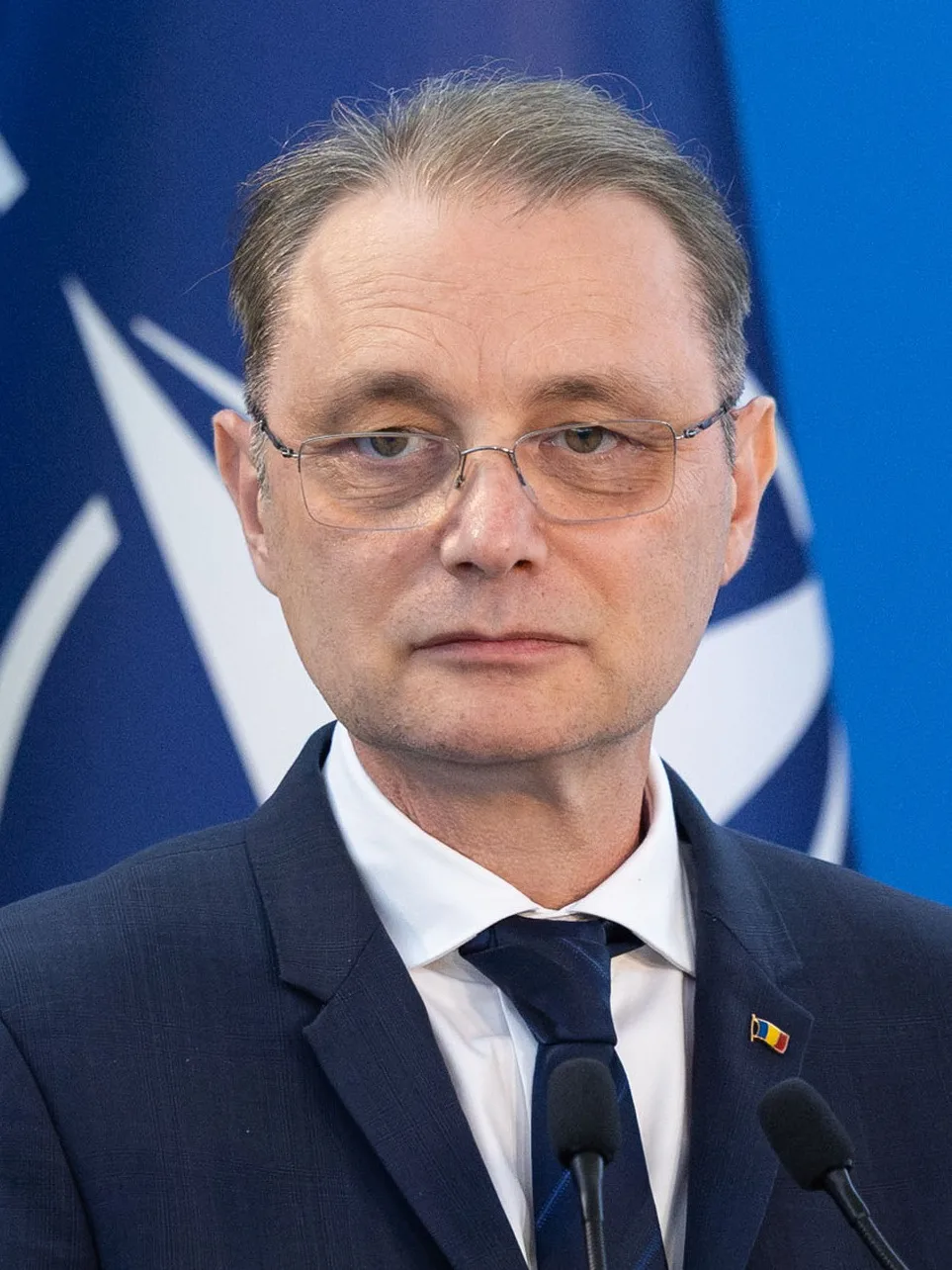 File photo
What happened
Key facts
- Luca Niculescu was sworn in as Romania’s prime minister (per Euronews, nacionale.com, Yahoo).
- Romania’s cabinet members were sworn in alongside Niculescu (per Euronews, Yahoo, mississippivalleypublishing.com).
- Niculescu’s proposed cabinet received 280 votes in favour and 58 against (per Euronews).
- Niculescu is an independent diplomat (per Euronews).
- Niculescu said he presented a governing programme, a team and a commitment to work toward several clear objectives (per Euronews).
The brief
Romania swore in Luca Niculescu as prime minister and installed his cabinet after lawmakers voted on the proposed government. Euronews reported that Niculescu’s cabinet won 280 votes in favour and 58 against. The vote preceded the swearing-in ceremony, which brought the new prime minister and cabinet into office. Niculescu is an independent diplomat, according to Euronews.
President Nicușor Dan nominated him on 5 October. Euronews described Niculescu as a diplomat and former journalist and said he was 55. The outlet also noted that Dan had chosen him as his fourth pick for the post, following three earlier nominees who did not form a government.
In comments quoted by Euronews, Niculescu said he was presenting a governing programme and a team, and pledged to work toward several clear objectives. The outlet did not specify those objectives in the account. The quote outlines his stated approach, while the vote count records the support his proposed cabinet received in parliament.
Euronews placed the appointment against a period of political difficulty in Romania, saying the cabinet vote ended a months-long impasse. It also reported that Romania had faced an extended period of instability since a presidential election was annulled in December 2024.
The outlet connected the earlier instability to the annulment but did not give further details about the election or the dispute. Euronews separately described Bolojan as having taken office in 2025 with the aim of ending one of Romania’s worst political crises since the end of communism and reducing a large budget deficit.
Its account does not explain Bolojan’s role in the current cabinet or the relationship between that earlier government and Niculescu’s appointment. The ceremony and parliamentary vote mark the immediate institutional steps in Niculescu’s appointment. Romania Insider’s headline characterized his confirmation as ending five months of political uncertainty.
Niculescu’s stated commitment to pursue objectives through a governing programme now sits alongside the cabinet’s recorded parliamentary support; the account does not name the programme’s measures or specify further decisions.
Why it matters
- Romanian lawmakers’ 280 votes in favour and 58 against supplied the parliamentary backing for the cabinet that was then sworn in.
- The cabinet vote ended a months-long political impasse, according to Euronews.
- Euronews linked Romania’s period of instability to the annulment of a presidential election in December 2024.
- Niculescu stated a commitment to work toward objectives through a governing programme, but the account does not specify those objectives.
What to watch next
- Whether Niculescu sets out the clear objectives he referred to in his governing programme.
- Whether the newly sworn-in cabinet advances the programme Niculescu said he was presenting.
How it's being covered
Coverage analysisShow details5 source articles · 5 unique outlets · 4 distinct reportsOutlet political mix: Too few rated· 2 Center · 3 unratedWhere the outlets are based: Unknown 40% · US/Canada 20% · Other 40%
How outlets' accounts compare
Timeline
Developments from this story's sources, dated background we compiled and fact-checked, and our earlier coverage. Each row says which.- The framework was established after the fall of Nicolae Ceaușescu’s communist government in December 1989.Background · from our historical context
- Romania’s communist government fell during the December Revolution.Background · compiled and fact-checked by Updat3
- Romania’s Constitution was approved by referendum on 8 December 1991 and established the presidency, a bicameral Parliament and the procedures for appointing and investing governments.Background · from our historical context
- Romanian voters approved constitutional revisions that amended the government-formation framework.Background · compiled and fact-checked by Updat3
- Romania held parliamentary elections.Background · compiled and fact-checked by Updat3
- Romania’s Constitutional Court annulled the presidential election process.Background · compiled and fact-checked by Updat3
- Ilie Bolojan’s government was sworn in after receiving Parliament’s confidence.Background · compiled and fact-checked by Updat3
How we got here
Romania’s Constitution sets the sequence by which a government takes office: the president designates a prime-minister candidate after consultations with parliamentary parties, and the candidate seeks Parliament’s confidence for a proposed programme and cabinet. The framework was established after the fall of Nicolae Ceaușescu’s communist government in December 1989.
Romania’s Constitution was approved by referendum on 8 December 1991 and established the presidency, a bicameral Parliament and the procedures for appointing and investing governments.
Original sources
1 of 5 articles · Global · Show allEvery story links to the reporting it was built from. How we choose sources
Spotted a factual error, a broken link or a misleading summary? Tell us.