
Roy Cooper’s Senate lead could lift Democrats’ 2028 hopes in North Carolina
Roy Cooper’s reported polling and fundraising advantage over Republican Michael Whatley could give Democrats a stronger chance in North Carolina’s open Senate race and bolster their hopes for 2028.
AI-assisted synthesis · Based on 5 outlets' reporting · Article text read from 2 of 5 outlets · 1 article captured only in partHow it's made
View timeline · 8 entries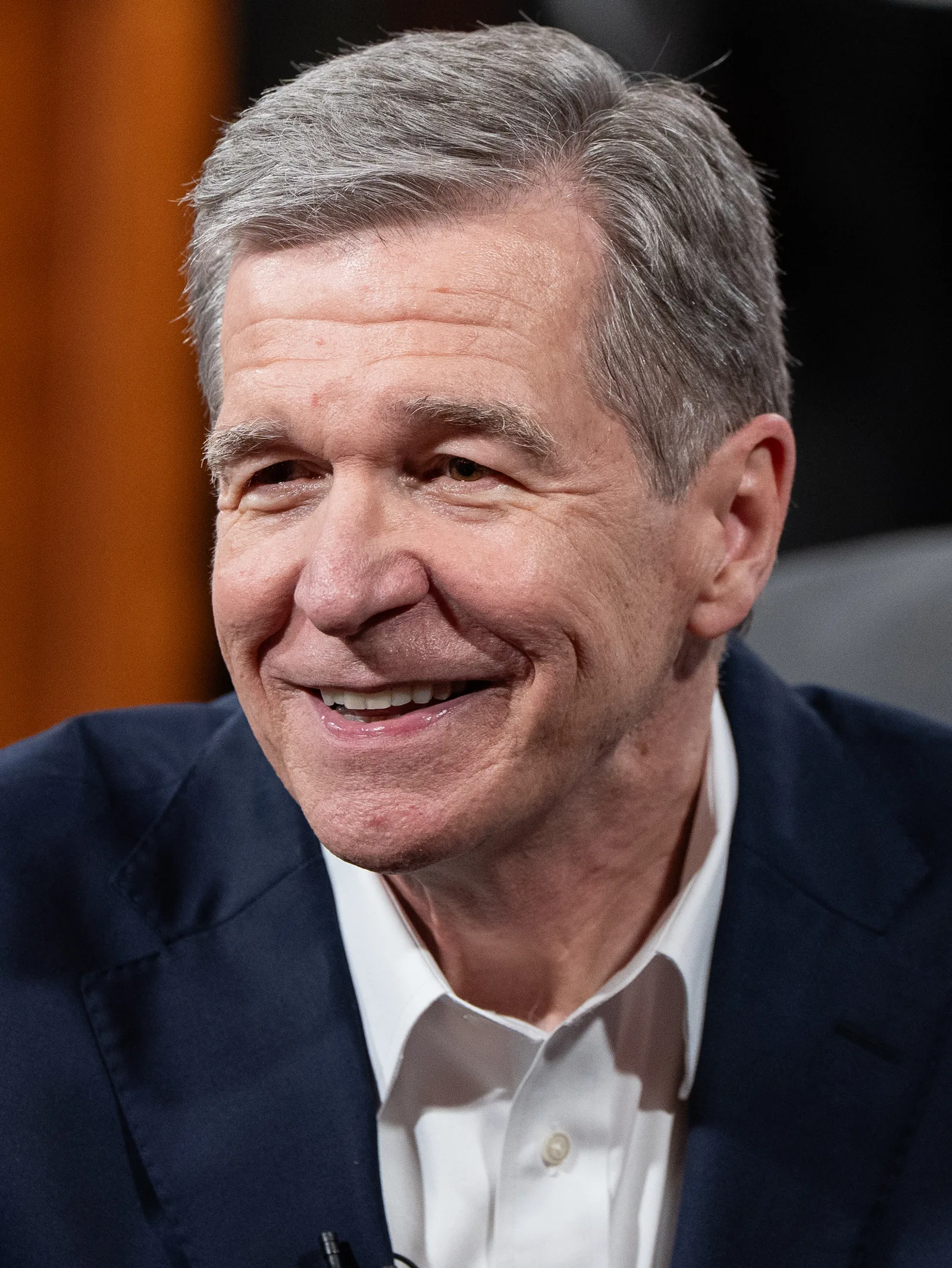 File photo
What happened
Key facts
- Former Democratic Gov. Roy Cooper is running for North Carolina’s open Senate seat against Republican Michael Whatley.
- The Washington Examiner reports Cooper has led throughout the race, with polling and fundraising leads; key GOP super PACs paused spending.
- The article says a Cooper victory would make him the first North Carolina Democrat in the Senate since Kay Hagan left office in January 2015.
- A win could signal progress toward Democrats carrying North Carolina in a presidential election for the first time since Barack Obama won the state in 2008.
- North Carolina was not included in the early-voting window for the 2028 Democratic presidential primary, but the article says its inclusion in the debate suggested Democratic hopes for the state.
- Greenville resident Rev. Ann Harrington said a Cooper win would help Democrats’ 2028 ambitions by encouraging people to become more active.
The brief
Roy Cooper leads Republican Michael Whatley in North Carolina’s open U.S. Senate race, and the result could shape Democratic hopes for the state in the 2028 presidential election. The Washington Examiner reports that Cooper has led throughout the contest and has advantages in both polling and fundraising.
The race pits the state’s former Democratic governor against a Republican candidate, with the Senate contest carrying significance beyond the seat itself in the Examiner’s account. A Cooper victory would make him the first North Carolina Democrat to serve in the Senate since Kay Hagan left office in January 2015, the Washington Examiner reports.
The outlet also frames the contest as a possible marker of Democrats’ capacity to carry North Carolina in a presidential election: the state last voted for a Democratic presidential candidate in 2008, when Barack Obama won it. That potential connection is a projection about what a Senate result might signal, not a report that the Senate race determines the presidential outcome.
The campaign’s strategic arguments differ. The reflector.com excerpt quotes Whatley saying that he believes Donald Trump is especially capable of turning out Republican voters, and that turnout will decide the election. The excerpt also quotes Whatley describing the electorate as 30% Republican, 30% Democratic and 40% unaffiliated.
Those remarks place emphasis on Republican turnout and the composition of the electorate; the Washington Examiner instead highlights Cooper’s reported polling and fundraising leads and the possible effect of his candidacy on Democrats’ future prospects. The Washington Examiner reports that key Republican super PACs paused spending.
The outlet’s account does not state why they paused or provide a spending figure. That detail sits alongside its report of Cooper’s polling and fundraising advantages, but does not by itself establish a change in the race’s outcome or the reason for the spending pause. The 2028 primary calendar adds another dimension to the Democratic discussion.
North Carolina was not included in the early-voting window for the 2028 Democratic presidential primary, while the Washington Examiner says the state’s inclusion in the debate suggested Democratic hopes for it. The account does not specify which debate or describe a decision to change the state’s place in the voting calendar. Greenville resident Rev.
Ann Harrington told the Washington Examiner that a Cooper win could energize Democrats’ 2028 ambitions by encouraging people to become more active. Her view describes a possible political effect rather than a measured forecast.
The contest therefore has two distinct stakes in the coverage: the immediate Senate seat and the possibility that a statewide Democratic victory would bolster engagement or expectations ahead of 2028. The next consequential markers in this account are the Senate election result and whether Democrats continue discussing North Carolina as a viable 2028 presidential battleground.
Whatley’s stated focus on Republican turnout and Harrington’s expectation of increased Democratic activity offer competing campaign-side views of how voters might shape those outcomes.
Why it matters
- A Cooper victory would end an 11-year stretch without a North Carolina Democrat in the Senate and give Democrats a high-profile statewide win in a state Republicans have carried in recent presidential elections. It could encourage the party to invest more in North Carolina ahead of 2028, though one Senate race would not by itself show that the state is ready to vote Democratic for president.
What to watch next
- Whether Roy Cooper or Michael Whatley wins North Carolina’s open U.S. Senate seat.
- Whether Republican super PACs resume spending after the reported pause.
- Whether Michael Whatley continues to emphasize Donald Trump’s ability to turn out Republican voters.
- Whether Democratic discussion of North Carolina’s 2028 presidential prospects changes despite the state’s exclusion from the early-voting window.
How it's being covered
Coverage analysisShow details5 source articles · 5 unique outletsOutlet political mix: Mixed· 1 Left · 2 Center · 2 RightWhere the outlets are based: US/Canada 80% · Unknown 20%
- Coverage is currently concentrated among outlets based in US/Canada (4 of 5 geographically-identified sources).
How outlets' accounts compare
1 framing difference · 3 uncorroborated claims · 1 information gap- The Washington Examiner emphasizes Cooper’s reported polling and fundraising leads and the possible boost a victory could give Democrats’ 2028 hopes; the reflector.com excerpt foregrounds Whatley’s argument that Republican turnout will decide the race.
- The Washington Examiner reports that key Republican super PACs paused spending but gives no reason or amount; the reflector.com excerpt does not address the pause.
- Rev. Ann Harrington said a Cooper victory could encourage Democrats to become more active.
- Whatley said he believes Donald Trump can turn out Republican voters and that the election will come down to that.
- Neither outlet’s supplied text gives a polling percentage, fundraising total, election result or spending amount.
Timeline
Developments from this story's sources, dated background we compiled and fact-checked, and our earlier coverage. Each row says which.- Cooper’s statewide political career began with his election as North Carolina attorney general in 2000.Background · from our historical context
- North Carolina has therefore been competitive in presidential elections without returning to the Democratic column since 2008.Background · from our historical context
- Republican Thom Tillis defeated Kay Hagan in North Carolina’s Senate election.Background · compiled and fact-checked by Updat3
- Roy Cooper defeated Pat McCrory in North Carolina’s gubernatorial election.Background · compiled and fact-checked by Updat3
- Roy Cooper took office as North Carolina governor.Background · compiled and fact-checked by Updat3
- Roy Cooper won reelection as North Carolina governor.Background · compiled and fact-checked by Updat3
- Ted Budd defeated Cheri Beasley in North Carolina’s Senate election.Background · compiled and fact-checked by Updat3
- Donald Trump won North Carolina in the presidential election.Background · compiled and fact-checked by Updat3
How we got here
North Carolina’s last Democratic senator, Kay Hagan, lost her 2014 reelection race to Republican Thom Tillis and left office in January 2015. In the 2022 Senate election, Republican Ted Budd defeated Democrat Cheri Beasley, extending the state’s Republican-held Senate representation.
Roy Cooper won North Carolina’s governorship in 2016 and secured reelection in 2020, becoming the state’s first Democratic governor to win a second consecutive term since Jim Hunt in 1980.
Original sources
1 of 5 articles · Unknown · Show allEvery story links to the reporting it was built from. How we choose sources
Spotted a factual error, a broken link or a misleading summary? Tell us.